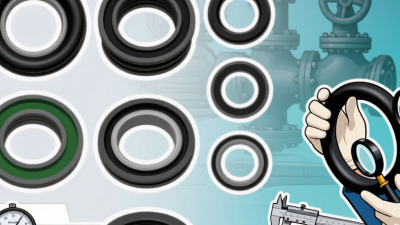
How to Choose the Right Fuel Resistant O Rings
Choosing the right Fuel Resistant O Rings begins with understanding the complete sealing environment. Fuel type, temperature, pressure, movement, and installation conditions all matter. A ring that performs well in a laboratory may swell inside a warm engine compartment.
Robert Flitney, author of the Seals and Sealing Handbook, has stated, “A seal must be selected as part of a system, not as an isolated component.” This principle remains highly practical. The correct compound must resist fuel additives, oxidation, compression set, and repeated thermal cycling. Nitrile may suit many petroleum-based fuels, while fluorocarbon compounds often provide stronger resistance at higher temperatures. Neither choice is automatically correct.
Look beyond material names. Check the actual fuel formulation, including ethanol content and cleaning additives. Measure the groove carefully. A ring sitting beside a sharp edge can fail before service begins. Surface finish matters too. Small scratches may create slow, difficult-to-find leaks.
Real workshop experience also reveals an uncomfortable truth: many failures begin with installation, not material selection. Twisted rings, dry assembly, contaminated grooves, and incorrect sizing can defeat premium products. It is easy to blame the seal too quickly.
This guide explains how to compare Fuel Resistant O Rings using measurable conditions, supplier data, and practical inspection methods. Some recommendations may require further testing. That is not a weakness. Reliable sealing decisions often improve through evidence, trial, and honest review.
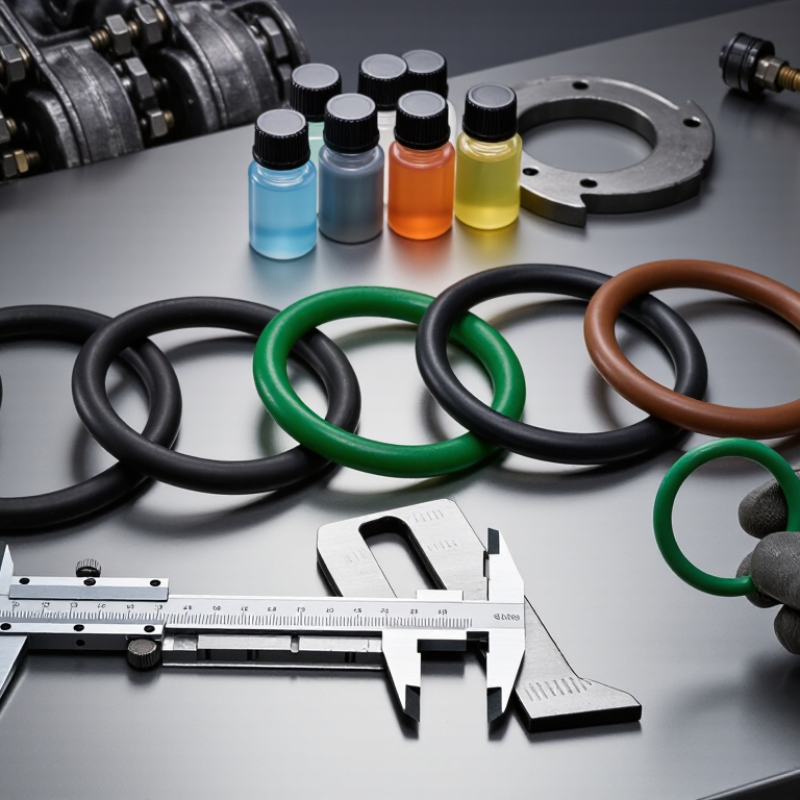
What Makes an O Ring Resistant to Fuel and Chemicals
How to Choose the Right Fuel Resistant O Rings
What makes an O ring resistant to fuel and chemicals is its elastomer, compound design, and service conditions. Fuel resistance is not a universal label. Gasoline, diesel, alcohol blends, and lubricants can affect rubber differently. A suitable material should limit swelling, softening, cracking, and loss of elasticity. Nitrile often performs well with petroleum-based fuels. Fluoroelastomer can offer stronger resistance to heat and aggressive chemical additives. However, material choice still depends on temperature, pressure, and exposure time.
Check the actual operating environment before selecting a seal. Measure the groove carefully, because even a resistant O ring can leak when compressed incorrectly. During inspection, look for a sticky surface, unusual swelling, or small radial cracks.
A practical test involves soaking a sample in the working fluid, then comparing its weight, diameter, and hardness. Small changes matter. I have seen seals appear normal but lose resilience after repeated heat cycles. That detail is easy to miss. Temperature cycling can be more damaging than steady exposure. Avoid judging compatibility from a single short test. Consult technical compatibility data, and confirm the compound’s limits with a qualified seal engineer. A careful choice considers the complete system, not only the fuel.
How to Identify the Fuel Type and Operating Conditions
Choosing the right fuel-resistant O-ring begins with identifying the actual fuel, not guessing from its color or label. Gasoline, diesel, ethanol blends, and aviation fuels can affect elastomers differently. The U.S. Department of Energy’s Alternative Fuels Data Center reports that E85 may contain 51–83% ethanol, depending on season and location. That range matters because ethanol can increase swelling, hardening, and additive sensitivity. Check the fuel specification, ethanol or biodiesel percentage, and expected contamination before selecting a material.
Operating conditions are equally important. Record the minimum and maximum temperature, pressure, shaft movement, sealing speed, and exposure time. ASTM D471 evaluates changes in elastomer volume, mass, tensile strength, and hardness after fluid exposure. SAE J30 also provides performance guidance for fuel-system hose materials. These references help, but they do not replace a real compatibility test. A seal may perform well in laboratory fuel and fail after heat, vibration, or repeated cycling. I have seen this assumption cause expensive rework.
Tips:
Request a fluid sample when possible. Test the O-ring after immersion at the highest working temperature. Inspect for swelling, cracks, softness, and compression loss. Do not rely on one chart. Fuel additives change over time, and the operating environment is rarely perfect. Check groove dimensions and squeeze as carefully as chemical resistance.
How to Compare O Ring Materials for Fuel Compatibility
How to Choose the Right Fuel Resistant O Rings
Fuel compatibility begins with chemistry, not color or hardness. The U.S. Department of Energy’s Alternative Fuels Data Center describes E85 as containing 51–83% ethanol. Conventional E10 contains about 10% ethanol. That difference can increase swelling, extraction, and compression-set risk. ASTM D5798 defines E85 fuel requirements, while ASTM D471 measures rubber changes after fuel immersion. These standards provide useful comparison points, but they do not guarantee performance in every assembly.
NBR often suits petroleum-based fuels and offers practical cost control. HNBR can provide better heat, ozone, and mechanical resistance. FKM generally performs well against hydrocarbons and many oxygenated fuels, but low-temperature sealing may become difficult. EPDM usually performs poorly with petroleum fuels. The wrong match can appear harmless during installation.
Test the actual fuel blend when possible. ISO 1817 evaluates changes in volume, mass, hardness, and tensile properties after immersion. Measure compression set too, because a ring may resist swelling yet lose sealing force. Ask for data at your operating temperature and pressure. Do not trust one compatibility chart. Real fuel exposure is messier. A useful material comparison should include storage time, temperature cycling, surface finish, and assembly stretch. I would also repeat testing after aging, because fresh samples can look reassuringly perfect.
How to Select the Correct O Ring Size and Hardness
How to Choose the Right Fuel Resistant O Rings
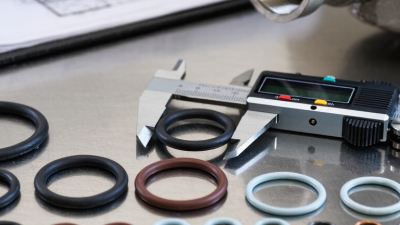
Selecting the correct O-ring size starts with the groove, not the old seal. Measure the groove diameter, width, and depth with clean calipers. Then verify the inside diameter and cross-section against ISO 3601-1 size requirements. The standard defines O-ring dimensions and tolerances for industrial sealing applications. A ring that looks close may still leak after thermal expansion. It happens.
Hardness needs equal attention. Shore A 70 is a common starting point for static fuel-related sealing, but pressure, temperature, and assembly force can change the choice. Softer compounds seal surface imperfections more easily. Harder compounds usually resist extrusion better under pressure. ASTM D471 evaluates rubber volume and property changes after liquid immersion. Its results can reveal swelling that hardness testing misses. Fuel resistance is not proven by hardness alone.
Use the actual fuel, temperature range, and exposure time during evaluation. SAE J200 material classifications can help compare elastomer performance requirements, but they do not replace application testing. Check for swelling, softening, cracking, and permanent compression set. A slightly oversized ring may twist during installation. Too much squeeze can also damage it. My own review point is simple: dimensional selection is often rushed, while groove condition is ignored. Clean the housing, inspect sharp edges, and lubricate only with a compatible medium. Small details matter.
70 Shore A
Good conformability and sealing on less rigid surfaces. Common for many static sealing applications.
80 Shore A
A balanced choice when pressure resistance and sealing flexibility are both important.
90 Shore A
Better resistance to extrusion at higher pressure, but it needs suitable gland dimensions and surface finish.
How to Choose the Right Fuel-Resistant O-Ring
Select the elastomer for the actual fuel, temperature, and exposure time first. Then choose the O-ring size from the gland dimensions: ISO 3601 nominal cross-sections commonly include 1.80, 2.65, 3.55, 5.30, and 7.00 mm. Hardness is specified in Shore A; the values shown are common nominal grades, not a compatibility ranking. Always verify compression, extrusion clearance, chemical compatibility, and temperature limits for the final design.