2026 Best Oil Resistant O Rings for Global Buyers?
The demand for Oil Resistant O Rings is surging as various industries expand. A recent report by MarketsandMarkets predicts a compound annual growth rate (CAGR) of 5.5% in the global O-ring market from 2021 to 2026. This increase is driven by sectors such as automotive, aerospace, oil and gas, and manufacturing. High-performance materials now dominate the market, ensuring product longevity in challenging environments.
However, finding the best Oil Resistant O Rings can be daunting. With so many options available, buyers must consider critical factors like material compatibility and temperature resistance. A study from Technavio also highlights that improper selection can lead to equipment failures and increased maintenance costs. Thus, expertise in material specifications is essential.
Many users overlook the importance of quality over price. This could lead to long-term issues, such as leakage and system failures. Buyers should be wary; trusting low-cost alternatives might not suffice. The right Oil Resistant O Rings ensure reliability and enhance overall equipment performance, making informed choices vital for any purchasing decision.
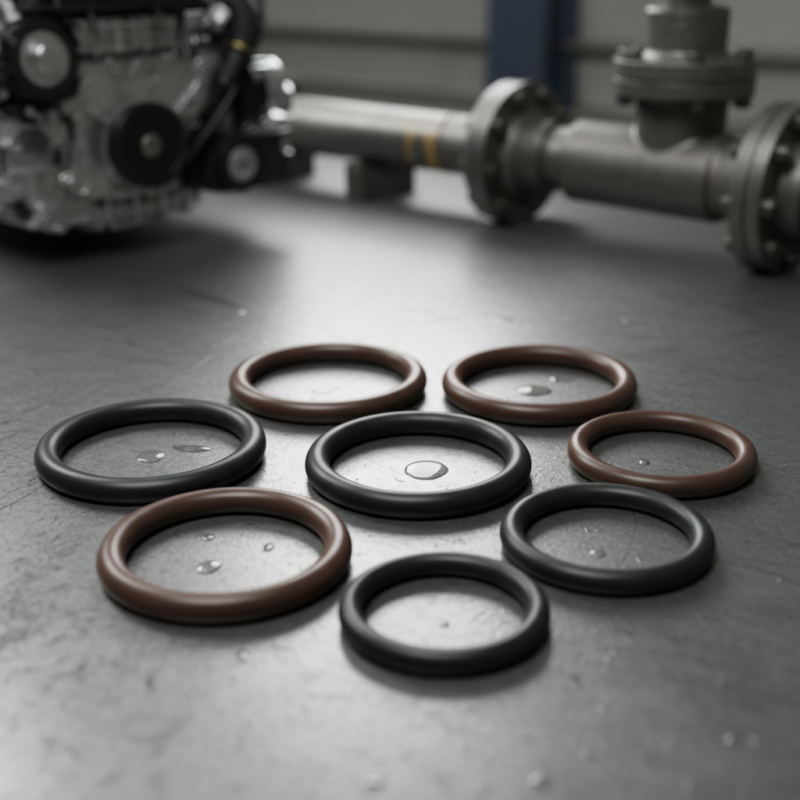
2026 Overview of Oil Resistant O Rings for Global Buyers
As the demand for oil-resistant O rings grows, understanding their properties is crucial. In 2026, the market is projected to reach $1.2 billion, reflecting a 5% annual growth rate. This highlights their importance in various industries, including automotive and aerospace.
Oil-resistant O rings must perform under challenging conditions. Materials like nitrile rubber (NBR) excel in oil resistance while providing durability. Reports indicate that NBR can withstand temperatures up to 100°C without losing integrity. However, not all applications will benefit from NBR alone. It is essential to assess the specific requirements of each project.
Selecting the right O ring is not straightforward. Misjudging material compatibility could lead to failure. It’s vital to consider factors like temperature fluctuations and pressure changes. Recent studies show that nearly 30% of O ring failures stem from improper material selection. Thus, ongoing evaluation and testing are critical for reliable performance.
2026 Best Oil Resistant O Rings Overview
| Material |
Temperature Range (°C) |
Durometer (Shore A) |
Oil Resistance (Rating) |
Color Options |
| Nitrile Rubber (NBR) |
-40 to 120 |
70 |
Excellent |
Black |
| Fluoroelastomer (FKM) |
-20 to 200 |
75 |
Very Good |
Black, Brown |
| Silicone Rubber |
-60 to 200 |
60 |
Good |
Translucent, Red |
| Polyurethane (PU) |
-30 to 90 |
80 |
Good |
Clear, Yellow |
| Chloroprene (CR) |
-30 to 100 |
65 |
Fair |
Black |
Key Materials Used in High-Performance Oil Resistant O Rings
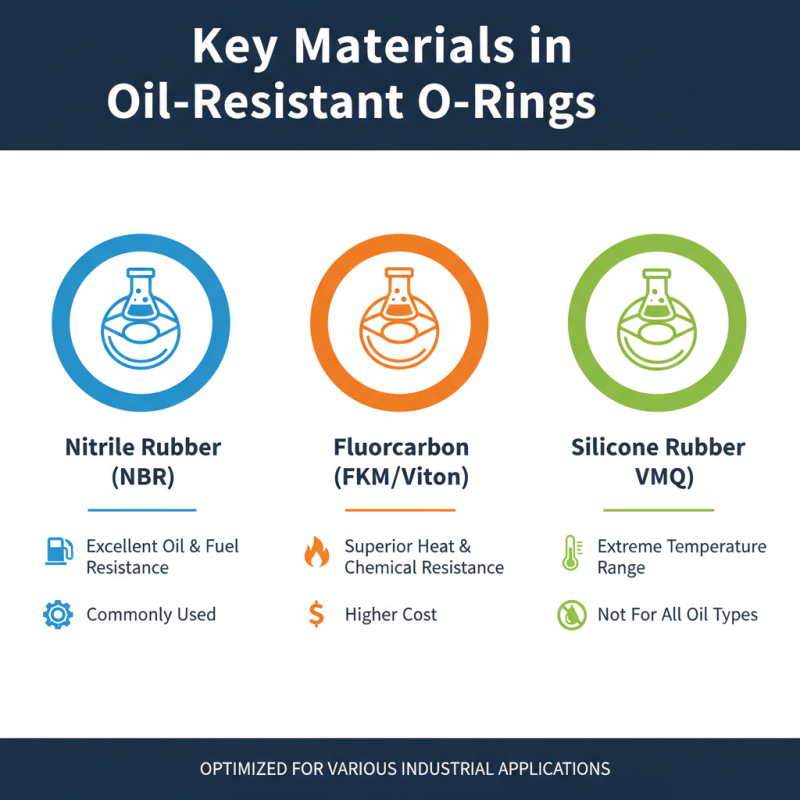
Oil resistant O rings play a crucial role in various industries. The performance of these seals highly depends on the materials used. High-performance O rings typically feature materials like nitrile, fluorocarbon, and silicone. Each material has unique properties tailored for specific applications. Nitrile rubber is commonly used due to its excellent resistance to oils and fuels. Fluorocarbon, while more expensive, offers superior heat and chemical resistance. Silicone O rings are effective in extreme temperatures but may not be suitable for all oil types.
When selecting oil resistant O rings, consider the operating conditions. The environment impacts the longevity and effectiveness of the seals. Evaluate factors such as temperature, pressure, and exposure to chemicals. It's critical to choose the right material for specific applications to avoid potential failures. O ring failure can lead to costly repairs and downtime.
Tips: Always consult with experts when in doubt. Testing different materials in real-world conditions may reveal unexpected results. Sometimes, assumptions about material performance can lead to errors. Keep a log of your experiences with various O rings to refine your choices over time. This practice helps in making informed decisions in future applications.
Comparison of Leading Brands for Oil Resistant O Rings
When choosing oil-resistant O-rings, it's essential to consider a few leading brands that excel in the market. Industry reports indicate that approximately 25% of O-ring failures are due to incorrect material selection. This highlights the importance of understanding material properties like temperature tolerance, chemical resistance, and durability.
One of the key aspects is material composition. Nitrile, fluorocarbon, and EPDM are commonly used materials. Each type offers distinct benefits; for instance, nitrile is favored for its excellent oil resistance. Fluorocarbon, however, can withstand harsh chemicals but may not perform well at high temperatures. Reports suggest that the performance of these materials varies significantly depending on their specific formulations.
**Tips:** Always check the compatibility chart of O-ring materials. This will help you avoid costly mistakes. Regular maintenance is crucial for extending the life of these components.
Another consideration is the manufacturing process. Precision matters here. An O-ring that is not manufactured to exact specifications could fail under pressure. Professional insights suggest that nearly 30% of O-rings do not meet industry standards. This can lead to significant operational failures. Testing the O-rings under real-world conditions is advisable to ensure reliability.
2026 Best Oil Resistant O Rings: Performance Comparison
Application and Industry Use Cases for Oil Resistant O Rings
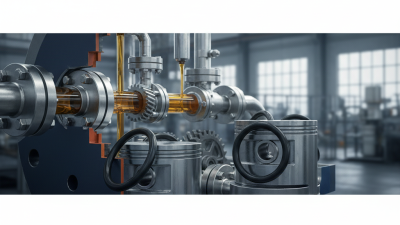
Oil resistant O rings are crucial in many industrial applications. They are designed to withstand exposure to oils, lubricants, and other petrochemicals. In automotive industries, they ensure seals in engines and transmissions remain leak-free. The effectiveness of these O rings directly impacts performance and safety.
In machinery, oil resistant O rings are often used in pumps and hydraulic systems. They help maintain pressure and prevent fluid leaks. This reliability can save costs on repairs and increase equipment longevity. When selecting these O rings, consider the operating temperature and pressure.
Tips: Always check compatibility with specific oils and fluids. Different materials offer diverse resistance levels. Regular inspections are vital to identify wear and maintain performance. Remember, even the best O rings need timely replacements. Staying proactive can avoid costly downtimes. Additionally, improper installation can lead to premature failure, so follow manufacturer guidelines carefully.
Tips for Selecting the Right Oil Resistant O Ring for Your Needs
When selecting oil resistant O-rings, understanding the material’s properties is crucial. Different materials offer varying degrees of oil resistance. For instance, nitrile rubber is popular for general applications but may not withstand certain oils. Fluoroelastomers provide superior resistance but at a higher cost. Knowing the specific environment is essential in making the right choice.
Consider temperature ranges. O-rings exposed to extreme temperatures need to be durable. Check the manufacturer's guidelines for temperature tolerances. Always match the O-ring material to the fluid types you're working with. Not all oils interact the same way with all materials.
Pay attention to size and fit. A poorly sized O-ring can cause leaks, no matter how resistant it is. Precision in measurements is vital. Regular maintenance checks can help assess wear and tear. This approach builds reliability in your sealing solutions.