Moken (Xiamen) Industrial Co., Ltd.
Leave Your Message

How to Choose the Best Oil Resistant O Rings for Your Needs?

Choosing the best oil resistant O rings can be challenging. Each application requires unique considerations. The right selection impacts performance and longevity. Industry expert John Harrison emphasizes, "Selecting the right O rings ensures reliability under pressure."

Oil resistant O rings are crucial in various sectors. They protect against leakage and withstand harsh environments, including extreme temperatures and corrosive oils. Yet, not all O rings are created equal. Understanding material compatibility is vital for your specific use.

While many options exist, not every choice will meet your needs. Evaluating factors like hardness and size can be overwhelming. Experimentation may be necessary to achieve optimal results. Remember, making a well-informed decision is essential for system integrity and efficiency.
How to Choose the Best Oil Resistant O Rings for Your Needs?

Understanding O Ring Materials: Comparing Common Oil-Resistant Options

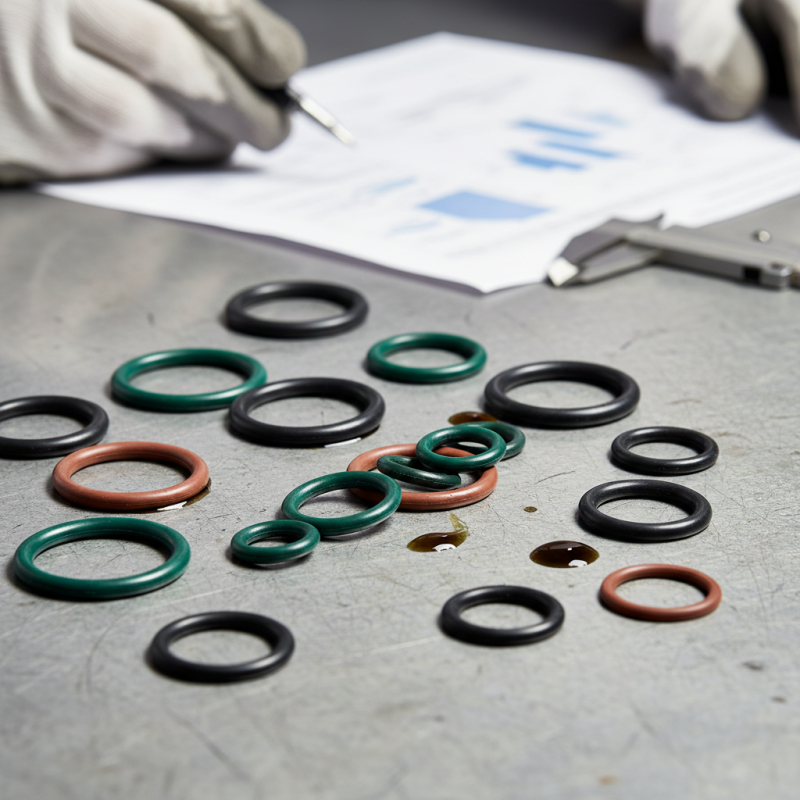
When selecting oil-resistant O rings, it’s crucial to understand the materials available. Common options include nitrile, fluorocarbon, and silicone. Nitrile is known for its excellent resistance to petroleum products. A 2022 industry report indicates that nitrile O rings withstand temperatures up to 120°C. This makes them suitable for various automotive and industrial applications.

On the other hand, fluorocarbon O rings offer superior performance in extreme temperatures and harsh chemicals. They can handle temperatures ranging from -20°C to 200°C. This versatility makes them ideal for aerospace and pharmaceutical industries. However, they tend to be more expensive than nitrile options, which can be a critical factor for some projects.

Tip: Always consider the specific type of oil the O rings will encounter. Different oils can react differently with materials. For example, synthetic oils might degrade rubber faster than mineral oils. Assessing the environment and compatibility ensures better longevity.

When making your choice, consult technical datasheets and choose suppliers who provide detailed material specifications. Visual inspections of O ring integrity are essential after exposure to oils. Some may experience swelling or hardening, which can compromise performance. Understanding these nuances helps in making an informed choice.

How to Choose the Best Oil Resistant O Rings for Your Needs?

Material Temperature Range (°C) Oil Resistance Common Applications
Nitrile (Buna-N) -40 to 120 Excellent Fuel systems, oil rigs
Viton (FKM) -20 to 200 Excellent Chemical processing, aerospace
Silicone -60 to 200 Good Food industry, medical
EPDM -40 to 120 Fair Water systems, automotive
Polyurethane -30 to 80 Good Hydraulic seals, heavy-duty applications

Evaluating Durometer Hardness for Optimal Oil Resistance in O Rings

When selecting oil-resistant O rings, evaluating durometer hardness is crucial. Durometer hardness measures the stiffness of the material. A scale from 0 to 100 quantifies flexibility. Softer O rings provide better sealing but may wear faster. Harder O rings resist deformation but can be less effective against oil.

Consider the application when choosing hardness. O rings for high-pressure systems require tougher materials. In contrast, low-pressure applications may benefit from softer options. Testing is beneficial. Evaluate how well different hardness levels withstand oil exposure over time. Testing should consider temperature variations and chemical compatibility.

Finding the right balance is not straightforward. A hardness that works well in one situation may fail in another. Continuous monitoring and feedback can provide insights. Reflect on performance regularly and adjust your choice of O rings accordingly. This proactive approach helps ensure optimal oil resistance and longevity.

Recognizing Industry Standards for Oil-Resistant O Rings in Various Applications

How to Choose the Best Oil Resistant O Rings for Your Needs?

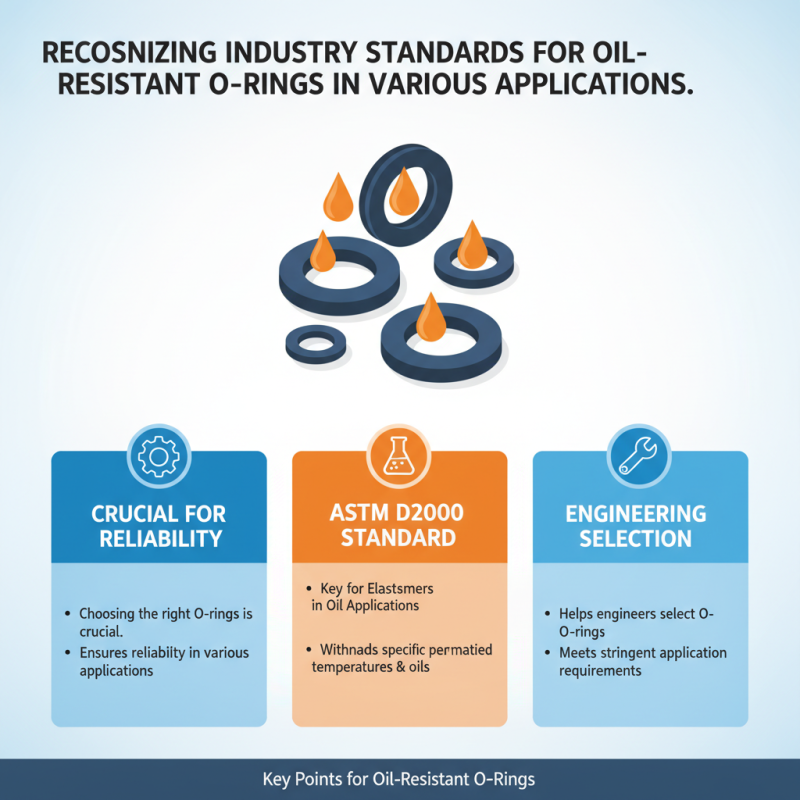
In various industries, choosing the right oil-resistant O rings is crucial. Many applications require stringent standards to ensure reliability. The ASTM D2000 standard outlines specific performance criteria for elastomers used in oil applications. This standard helps engineers select O rings that can withstand specific temperatures and oils.

A recent industry report indicates that nearly 30% of equipment failures in manufacturing are linked to seal failures. Oil-resistant O rings play a vital role in preventing leaks and maintaining machinery efficiency. Selecting O rings without adhering to these standards can lead to costly downtime.

Understanding the specific oils used in your application is key. Each oil has unique chemical properties that can affect O ring performance. For example, synthetic oils typically require different materials compared to mineral oils. It's essential to consider factors like temperature range, pressure, and exposure duration. Choosing an O ring that is not compatible with the oil type can compromise system integrity.

Identifying Temperature and Chemical Compatibility for O Ring Selection

How to Choose the Best Oil Resistant O Rings for Your Needs?

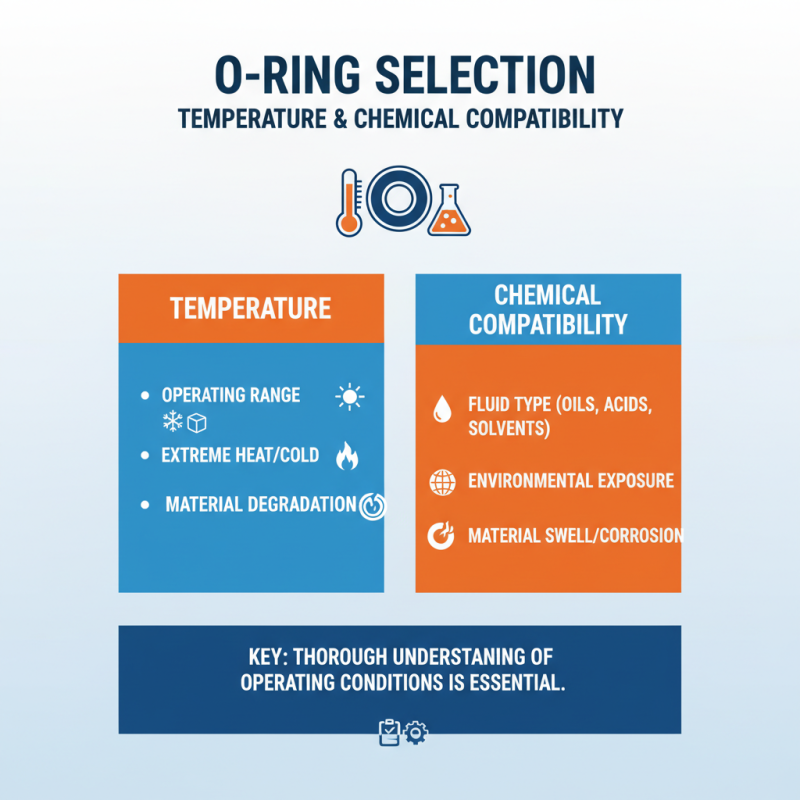
Choosing the right O ring involves more than just the size. Temperature and chemical compatibility are crucial factors. Oil-resistant O rings need specific materials tailored to their environment. A thorough understanding of operating conditions is essential.

Temperature plays a significant role in O ring performance. O rings can degrade or lose their elasticity when exposed to excessive heat or cold. Each material has a temperature range. For effective use, check that the selected O ring can handle extremes. This ensures functionality and longevity.

Chemical compatibility is equally important. Different oils and chemicals interact uniquely with O ring materials. Some substances may cause swelling, hardening, or degradation. Gathering detailed information about the specific chemicals involved helps in making a wise choice. Testing under actual conditions may also reveal unforeseen issues. It's vital to assess both temperature and chemicals before finalizing your O ring selection.

Key Factors Influencing the Lifespan and Performance of Oil-Resistant O Rings

When selecting oil-resistant O rings, consider the material type and its compatibility with your specific application. Different materials like nitrile, Viton, or silicone have unique properties. These properties affect resistance to various oils and temperatures. The right choice ensures optimal performance and longevity.

Usage conditions are key. High temperatures or pressures can shorten an O ring’s lifespan. Assess your working environment. If O rings are exposed to extreme conditions, consider a more durable option. Tight seals can reduce leaks but may cause wear if not chosen carefully.

Tips: Always check compatibility charts before making a purchase. Investing in proper storage can extend the O ring's life. Regularly inspect O rings for signs of wear.

Be mindful of the installation process. Overstretching or improper fit can jeopardize functionality. It’s crucial to allow for movement and thermal expansion. Reflect on previous experiences to refine your selection process and improve future choices.