Moken (Xiamen) Industrial Co., Ltd.
Leave Your Message

2026 Top Fuel O Ring Types for Global Buyers

Fuel O Rings are small components, but their failure can interrupt a fuel system, damage equipment, or cause costly downtime. For global buyers in 2026, selecting a seal means looking beyond a catalog number. Fuel chemistry, operating temperature, pressure, groove dimensions, and expected service life all matter. A ring that fits during a dry bench check may swell, harden, or lose compression after exposure to fuel. Details matter.

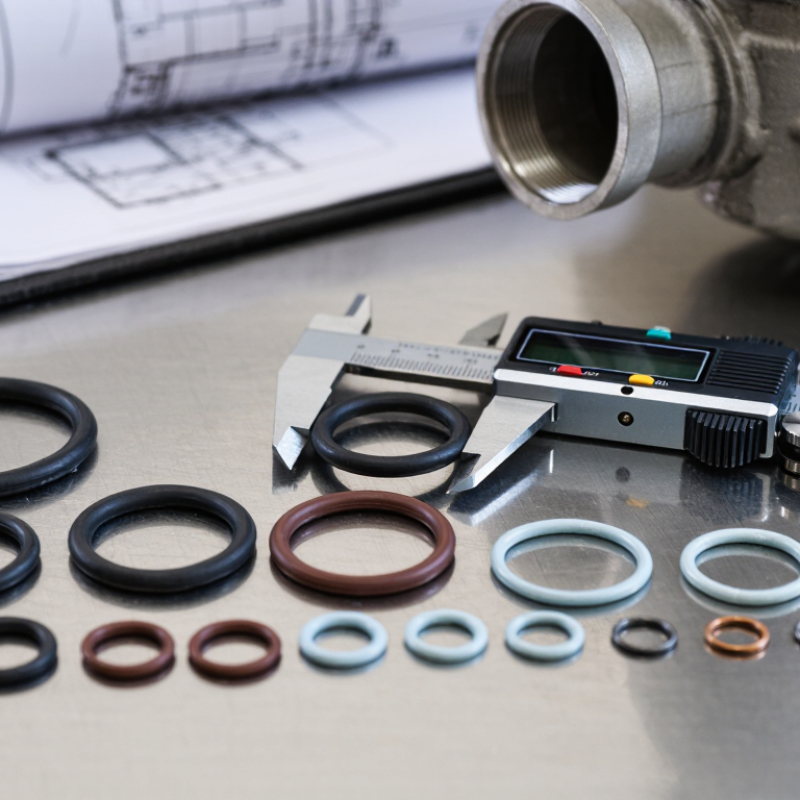
This guide reviews common materials, including NBR, FKM, and fluorosilicone, while noting that no material suits every fuel or operating condition. It also explains how dimensions, hardness, and manufacturing quality affect fit and performance. A caliper can confirm a ring’s cross-section, but it cannot confirm chemical compatibility. That needs reliable product data and, where appropriate, testing under realistic conditions. Ask suppliers for material specifications, tolerances, and traceable quality records. Check that the stated conditions match your equipment, not just a general product description. A table rarely tells the whole story; actual service conditions can be messier than a neat specification. This overview offers a practical starting point, not a substitute for engineering review. Verify critical choices with qualified specialists and the seal manufacturer before ordering.
2026 Top Fuel O Ring Types for Global Buyers

What Fuel O-Rings Are and How They Seal Fuel Systems

A fuel O-ring is a molded elastomer ring fitted between two mating surfaces. When the joint closes, the ring compresses and fills microscopic gaps. Fuel pressure can then help press the seal against the groove walls. Simple in appearance. Sensitive in practice. Many static designs use approximately 15–30% squeeze, though groove dimensions, temperature, and material determine the suitable value. Too little squeeze can allow leakage; too much can speed up wear or damage during assembly.

Fuel compatibility deserves equal attention. Gasoline blends, diesel, and additives can affect elastomers differently, causing swelling, shrinkage, softening, or hardening. ISO 1817 sets out immersion tests that measure changes such as mass, volume, and hardness after rubber contacts liquids. ASTM D471 provides a related method for assessing liquid effects on rubber. These measured changes help engineers compare compounds; they do not guarantee performance in every vehicle or operating cycle. Material selection should reflect the actual fuel, temperature range, pressure, and service life.

A groove can be the weak link. Check its dimensions, surface finish, and assembly path, then avoid twisting or nicking the ring during installation. A seal may pass a bench test and still fail after repeated heat cycles. That gap between test conditions and real use deserves honest review. Choose a compound and design using documented test results, and validate the assembled joint under representative conditions.
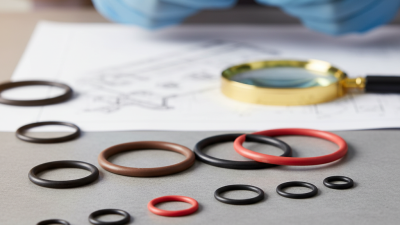

How O-Ring Materials Differ in Fuel Resistance and Temperature Range

2026 Top Fuel O Ring Types for Global Buyers
How O-Ring Materials Differ in Fuel Resistance and Temperature Range

Fuel resistance and heat tolerance rarely peak in the same material. Published elastomer selection data commonly lists nitrile rubber (NBR) for about −40°C to 120°C, with good resistance to many petroleum fuels. Fluoroelastomer (FKM) commonly spans roughly −20°C to 200°C and handles heat better, though fuel blends and compound recipes affect performance. These are typical ranges, not guarantees. Small differences matter.

Ethanol-containing fuel can change swelling and hardness, especially in a seal that runs hot for hours. ISO 1817 and ASTM D471 describe liquid-immersion tests that measure changes such as volume and tensile properties; ask suppliers for results on the actual fuel blend. Test the actual blend. A neat temperature chart can still mislead: compression, pressure, and repeated cold starts also shape service life. For a pump seal, compare post-immersion swelling and hardness against the part’s permitted limits, then verify the chosen compound under operating conditions. NBR may suit a cooler petroleum-fuel system; FKM often fits hotter service, but it is not automatically compatible with every oxygenated fuel. The less glamorous detail is the test duration. A short soak may miss slow swelling.

2026 Top Fuel O-Ring Types for Global Buyers

Typical service-temperature ranges and fuel compatibility vary by compound. Use this comparison as a starting point and verify the exact material against the fuel blend, operating conditions, and supplier data.

Fuel Resistance at a Glance

Material Typical fuel-resistance notes
NBRGenerally good with petroleum-based gasoline and diesel; compatibility with alcohol-containing blends depends on the formulation.
HNBRGenerally good with petroleum fuels, with improved heat and aging performance over standard NBR.
FKMGenerally excellent with many gasoline and diesel fuels; high-alcohol blends require grade-specific verification.
FFKMBroad chemical and fuel resistance; check the selected compound’s temperature limits and compatibility data.
SiliconeTypically poor resistance to gasoline and other hydrocarbon fuels; usually not a first choice for fuel-wetted seals.

Temperature ranges shown are approximate typical ranges in °C for common compounds, not guaranteed limits. Actual performance depends on compound, exposure time, pressure, and fuel composition.

Common Fuel O-Ring Profiles, Sizes, and Design Features

Fuel O-rings are usually round-section seals, but profile choice affects sealing and installation. Standard round rings suit many static grooves. X-rings can reduce twisting in some moving applications, while square-section seals need carefully matched grooves. ISO 3601-1 provides dimensional guidance for O-rings, and AS568 tables include cross-sections of about 1.78, 2.62, and 3.53 mm. These are useful reference sizes, not a substitute for checking the actual groove. Fit comes first.

Material and dimensions must work together. Nitrile rubber is used in some fuel-sealing applications; fluorocarbon elastomers may suit other fuel and temperature conditions. Neither label guarantees compatibility with every fuel blend. SAE J200 classifies elastomer materials by properties, but buyers should confirm the compound’s test data with the supplier. Check inside diameter, cross-section, groove depth, squeeze, and clearance. A ring that looks right can still leak if the groove is too wide or the seal is stretched too far. Small details matter. I would verify compatibility against the exact fuel, temperature range, and service conditions, then inspect sample seals after installation. A neat size chart helps, but it cannot replace testing in the intended assembly.

2026 Top Fuel O Ring Types for Global Buyers - Common Fuel O-Ring Profiles, Sizes, and Design Features

O-Ring Type or Profile Common Size Reference Typical Design Features Common Material Options Fuel-Service Considerations
Round cross-section O-ring AS568-010: 0.239 in ID × 0.070 in cross-section (approximately 6.07 × 1.78 mm) Most common profile; fits standard O-ring grooves and seals through controlled squeeze. NBR, HNBR, FKM, or other elastomers selected for the application. Material compatibility depends on fuel composition, temperature, pressure, and exposure duration.
Round cross-section O-ring AS568-214: 1.234 in ID × 0.139 in cross-section (approximately 31.34 × 3.53 mm) Larger cross-section than the AS568-010 example; requires a groove designed for its size and tolerances. NBR, HNBR, FKM, or other application-qualified compounds. Confirm gland dimensions and allowable squeeze against the applicable design standard and service conditions.
Metric round O-ring Common nominal cross-sections include 1.78, 2.62, 3.53, and 5.33 mm; inside diameter is specified separately. Metric sizing is commonly specified by inside diameter and cross-section; dimensional series and tolerances vary by standard. NBR, HNBR, FKM, and other qualified elastomers. Specify the governing metric standard and exact dimensions; do not assume metric and inch series are interchangeable.
X-ring (quad-ring) profile Specified by its inside diameter and cross-section; select dimensions to match the designed gland. Four-lobed profile can provide additional sealing lips and may reduce rolling or twisting in some reciprocating applications. Commonly available in elastomers such as NBR and FKM, subject to compound availability. Check gland design and fuel compatibility; an X-ring is not automatically a drop-in replacement for a round O-ring.
Square-section ring Custom or application-specific dimensions; specify inside diameter and section width. Flat sides can help resist rolling in some static or low-motion arrangements; groove geometry must suit the profile. Material depends on the supplier’s available compounds and the service requirements. Verify compression, installation, and chemical compatibility for the exact fuel and operating conditions.
Encapsulated O-ring Specified by nominal inside diameter and cross-section; dimensional availability depends on construction. Elastomeric core covered by a fluoropolymer jacket; the jacket can provide a chemical barrier while the core supplies resilience. Common constructions use a fluoropolymer jacket with an elastomeric core. Check jacket flexibility, temperature limits, pressure, and dynamic-service suitability; encapsulation does not guarantee compatibility with every fuel.
Backup ring used with an O-ring Matched to the O-ring size and gland; dimensions depend on the specified groove and pressure conditions. Separate anti-extrusion component, not an O-ring profile; supports the O-ring where clearance gaps could cause extrusion. Often made from materials such as PTFE or other application-suitable polymers. Use when the design requires extrusion resistance; confirm material compatibility and correct installation orientation.

Selection note: O-ring dimensions are nominal references. Final selection should confirm the applicable size standard, tolerances, groove geometry, pressure, temperature, and compatibility with the actual fuel blend, including any additives or oxygenates.

How to Match an O-Ring to Fuel Type and Operating Conditions

Choosing a fuel O-ring starts with the actual fuel blend, not just the pump label. The U.S. Department of Energy’s Alternative Fuels Data Center reports that E85 can contain 51% to 83% ethanol, depending on location and season. That variation matters: ethanol blends can affect elastomer swelling and strength. Gasoline, diesel, biodiesel blends, and synthetic fuels also differ in additives and chemical behavior. Confirm the seal compound against the fuel’s documented composition and the supplier’s compatibility data.

Operating conditions narrow the choice further. Record the highest and lowest temperatures, system pressure, movement, and expected service life. Nitrile compounds may suit some petroleum-fuel applications, while fluorocarbon or hydrogenated nitrile compounds may fit other heat or chemical demands. These are starting points, not guarantees. Formulations vary, and a polymer name alone cannot predict performance. Check the exact compound’s limits, groove dimensions, and compression requirements. A small mismatch can cause leakage, even when the material seems suitable on paper.

Tips: Test the finished seal with the actual fuel blend when possible. Inspect for swelling, softening, cracks, or permanent flattening after exposure. Keep a record of fuel composition and temperature; these details are easy to overlook, and they can change between supply batches.

What Global Buyers Should Check in Quality and Compliance Documents

For 2026 fuel-service O-rings, quality documents should prove that the tested compound matches the ordered part. Check the drawing, material designation, hardness range, batch number, and certificate of analysis. Then compare the stated fuel, temperature, and pressure limits with your actual service conditions. A generic “fuel-resistant” claim is not enough. Request test methods and results, not just a pass statement.

NASA’s 1986 Rogers Commission report recorded a 36°F launch-day temperature, compared with 53°F for the previous coldest launch. The report concerned a different sealing application, but it remains a clear reminder that temperature can matter. Ask suppliers for low-temperature sealing data and compression-set results, with test conditions and sample traceability. ISO 3601-3:2016 defines three O-ring quality acceptance grades: N, S, and CS. Confirm which grade applies, and make sure inspection records use it consistently. Paperwork can look complete and still leave gaps.

Tips: Match every certificate to the delivered batch. Check revision dates, signatures, and laboratory methods. Keep a sample. It helps when records disagree.