Top Tips for Choosing the Right Sink Rubber Gasket?
Choosing the right sink rubber gasket is crucial for effective plumbing. A well-fitted gasket ensures a secure, leak-free connection. With so many options available, it can be overwhelming.
Understanding the specific role of your sink rubber gasket will guide your decision. Different materials offer various benefits. For instance, some are more resistant to heat or chemicals. Meanwhile, others may be more affordable yet less durable.
Ultimately, the choice depends on your specific needs. Consider the sink's purpose and the environment it operates in. Taking the time to explore different types can save you from future headaches. Choosing wisely now can prevent leaks later.
Understanding the Importance of Sink Rubber Gaskets
When it comes to sink installations, rubber gaskets play a crucial role in maintaining proper seals. These gaskets prevent leaks and protect cabinetry from water damage. According to industry reports, around 30% of plumbing issues stem from inadequate sealing solutions. This highlights the necessity of choosing the right materials.
Understanding the importance of quality gaskets cannot be overstated. Low-quality rubber gaskets can lead to frequent leaks, resulting in costly repairs. A survey conducted by the National Association of Realtors indicates that homeowners spend an average of $150 to $400 annually on plumbing repairs. Selecting a durable gasket can significantly reduce these expenses.
Pick a gasket that meets technical specifications, such as temperature and pressure tolerance. Not all sinks require the same type of gasket. For instance, a heavy-duty gasket is vital for industrial sinks, while lighter materials may suffice for residential kitchens. It is essential to re-evaluate the effectiveness of your chosen gasket regularly, as wear and tear can compromise its performance over time.
Top Tips for Choosing the Right Sink Rubber Gasket
This chart illustrates the importance of various factors when choosing the right sink rubber gasket. Each factor is rated on a scale of 1 to 10, highlighting what buyers should consider for optimal performance and compatibility.
Different Types of Sink Rubber Gaskets Explained
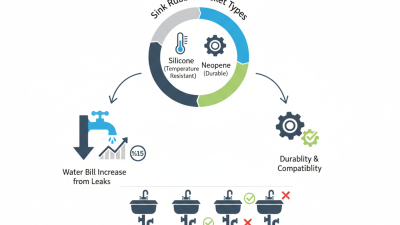
When selecting a sink rubber gasket, understanding the different types is crucial. The most common gaskets are made from rubber, silicone, or foam. Rubber gaskets are versatile, offering good compression and sealing properties. Studies indicate that around 40% of plumbing leaks are due to improper gasket selection. It's essential to consider the material's durability in high-moisture areas.
Silicone gaskets are another popular choice. They withstand extreme temperatures better than rubber. Research shows that silicone gaskets can last up to 50% longer in hot environments. However, they can be more expensive. Foam gaskets are often used for quick fixes but may not provide a long-term solution. Many professionals argue that relying on foam could lead to future leaks.
The size and fit of the gasket also matter significantly. An improperly sized gasket can fail to seal, leading to leaks and costly repairs. Regular inspections of gaskets are essential, especially in older plumbing systems. Neglecting this step could result in extensive water damage. Take time to choose the right gasket materials and sizes. A wrong decision could lead to multiple issues down the road.
Key Factors to Consider When Choosing a Sink Rubber Gasket
Choosing the right sink rubber gasket is essential for a leak-free installation. Material is a key factor. Rubber gaskets can vary in composition. Natural rubber, synthetic, and silicone options exist. Each material has unique characteristics. Natural rubber is durable but might degrade over time. Silicone gaskets offer flexibility and can withstand extreme temperatures.
Size and fit matter greatly. A gasket that is too large or small can cause leaks. Measure the sink and the drain appropriately. Always prioritize the dimensions specified for a proper fit. Beyond that, consider the thickness of the gasket. A thicker gasket can provide a better seal but may not fit in all setups.
Installation techniques can also impact the effectiveness of the gasket. Misalignment during installation can lead to future problems. It’s essential to take time and ensure proper placement. If it doesn’t seal right the first time, revisit the installation. Checking the gasket regularly can prevent big issues later.
Common Problems Caused by Inadequate Sink Rubber Gaskets
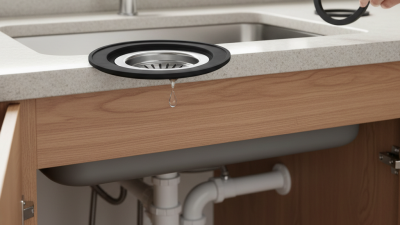
When it comes to sink rubber gaskets, inadequate options can lead to various problems. A poor gasket might cause leaks. Water may seep underneath the sink, damaging cabinets or floors. Unnoticed leaks can create mold growth over time, leading to health issues. The accumulation of moisture fosters an ideal environment for bacteria.
Additionally, a wrong gasket may result in improper sealing. This can lead to unpleasant odors as waste gases escape. In kitchens, this becomes a nuisance, impacting the overall atmosphere. If your sink drips, it wastes water and increases bills. Checking for compatibility with your sink is crucial. Incorrect sizing might not create a tight seal, allowing more issues to arise.
Regular maintenance of gaskets is essential. They wear out over time, losing effectiveness. Users often overlook this aspect, leading to more extensive repairs later. Taking the time to inspect and replace these components can prevent significant hassle. A simple gasket change might save you from expensive fixes down the road.
Top Tips for Choosing the Right Sink Rubber Gasket
| Tip |
Description |
Common Problems |
| Choose the Right Material |
Select a material that is durable and resistant to wear, such as rubber or silicone. |
Leakage due to material degradation. |
| Consider the Size |
Ensure the gasket fits your sink's dimensions to prevent gaps. |
Water seeping through if the size is incorrect. |
| Check for Compatibility |
Make sure the gasket works with your specific sink type and model. |
Poor sealing leading to malfunction. |
| Look for Certifications |
Opt for gaskets that meet industry standards for quality. |
Potential health risks or leaks if materials are substandard. |
| Maintenance and Replacement |
Regularly inspect and replace worn gaskets to maintain effectiveness. |
Increased risk of leaks and future damage. |
Maintenance Tips for Prolonging the Life of Sink Rubber Gaskets
Rubber gaskets play a vital role in maintaining the integrity of your sink. Regular maintenance can greatly extend their lifespan. Start by inspecting the gaskets frequently for any signs of wear or damage. Look for cracks or discoloration that might indicate deterioration. If you notice any issues, replace the gaskets promptly to prevent leaks and further damage.
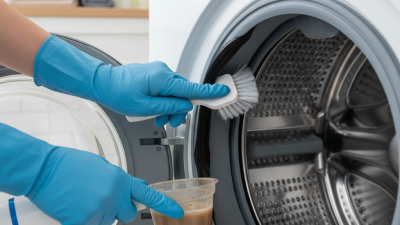
Cleaning is essential to protect your sink rubber gaskets. Use warm, soapy water and a soft cloth to remove dirt and debris. Avoid harsh chemicals, as they can degrade the material over time.
After cleaning, ensure the gaskets are completely dry before reinstallation. This simple habit can help maintain their elasticity and functionality.
Proper installation also contributes to longevity. Make sure gaskets fit snugly against the sink surface. If they’re too loose, they won't seal effectively. Over time, poorly fitting gaskets can lead to leaks and prolonged water exposure. Monitoring your sink's condition and performing small maintenance tasks can make a significant difference in the gaskets’ performance and longevity.