How to Choose the Best Sink Rubber Gasket for Your Needs?
When selecting a sink rubber gasket, it’s essential to understand its crucial role in plumbing systems. According to a report by the Plumbing Manufacturers International (PMI), 70% of plumbing leaks are due to improper sealing, making gaskets a vital component. Expert John Smith, a leading authority on plumbing accessories, emphasizes, "Choosing the right sink rubber gasket can prevent significant water damage."
Different materials and designs impact durability and performance. A good quality gasket ensures effective sealing under varying pressure. However, not all gaskets are created equal. Factors such as size, shape, and material compatibility must be considered. Selecting the wrong type may lead to annoying leaks and costly repairs.
While many users might overlook the importance, investing in a suitable sink rubber gasket can save time and resources in the long run. Yet, choosing the best option can be perplexing given the multitude of products available. It's crucial to balance cost with quality to achieve the best outcome. Understanding your specific needs is equally important in this decision-making process.

Understanding the Role of Rubber Gaskets in Sinks
Rubber gaskets are essential components in sink installations. They create a watertight seal between the sink and countertop. This prevents leaks that can cause significant damage. A well-fitted gasket minimizes maintenance issues. Choosing the right rubber gasket can save you time and money down the line.
Understanding the specific role of rubber gaskets is vital. They dampen vibrations and reduce noise. However, not all gaskets are created equal. Some may degrade faster than others or have inconsistent thickness. This can lead to improper sealing. It's important to consider the material and durability of the gasket. A thick, high-quality rubber tends to perform better in the long run.
When selecting a rubber gasket, inspect the dimensions carefully. An incorrect size may lead to leaks and frustration. Also, keep in mind the environmental factors. Gaskets in humid areas might wear out quickly. This underscores the importance of regular inspection. This ensures long-term reliability and functionality of your sink.
How to Choose the Best Sink Rubber Gasket for Your Needs?
| Gasket Type |
Material |
Thickness (mm) |
Temperature Resistance (°C) |
Application |
| Flat Gasket |
Rubber (NBR) |
3 |
-30 to 100 |
Kitchen Sinks |
| O-Ring Gasket |
Silicone |
2 |
-50 to 150 |
Bathroom Sinks |
| Profile Gasket |
EPDM |
4 |
-40 to 120 |
Commercial Sinks |
| Beaded Gasket |
Neoprene |
5 |
-20 to 90 |
Utility Sinks |
| Cup Gasket |
SBR |
3.5 |
-25 to 95 |
Farm Sinks |
Types of Rubber Gaskets and Their Applications
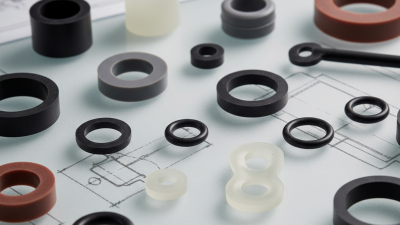
When selecting a rubber gasket for sinks, understanding the types available is crucial. There are several common types used in various applications. The flat gaskets are versatile and can be used in both kitchen and bathroom sinks. These gaskets provide a simple sealing solution that can help prevent leaks. Another option is the O-ring gasket, which offers a tighter seal. This type is often used in situations where pressure is a factor.
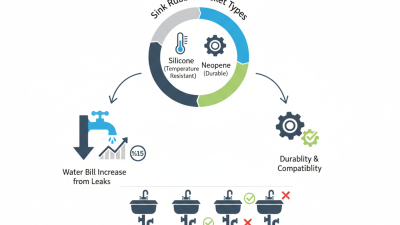
More specialized gaskets include those made from silicone, rubber, or foam. Silicone gaskets are known for their heat resistance, making them ideal for kitchen environments. However, their durability can vary. Rubber gaskets are widely used for general purposes and are effective against moisture. Foam gaskets may not be as reliable over time but can be cost-effective for temporary fixes.
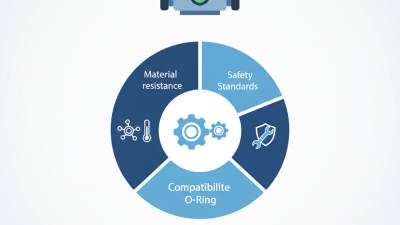
Individuals might overlook the importance of choosing the right material. Using a gasket that does not match the sink's requirements can lead to leaks. Always consider the specific needs of your installation, like temperature and pressure. Reflecting on these factors can enhance the effectiveness of your choice. Different materials come with their own pros and cons. Identifying the right fit is vital for long-term reliability.
Factors to Consider When Choosing a Sink Rubber Gasket
When selecting a sink rubber gasket, certain factors are crucial. First, understand the size of your sink. Measure the dimensions accurately to ensure a proper fit. An ill-fitting gasket can cause leaks, leading to costly repairs. Different sink types may require specific shapes and sizes of gaskets. Knowing your sink's dimensions can prevent unnecessary frustration.
Material is another key factor. Most gaskets are made from rubber or silicone. Rubber gaskets offer good flexibility and durability. On the other hand, silicone gaskets can withstand temperature changes better. Consider your environment since extreme conditions might wear out certain materials faster. Pay attention to the installation process. Some gaskets require adhesive, while others are designed for a simple snap-fit.
Finally, think about longevity. A high-quality gasket will last several years, but not all options guarantee this. Check user reviews for insights into performance and durability. It’s essential to consider potential challenges. Sometimes, installation issues arise. Don't overlook that even small mistakes can lead to leaks. Understanding these factors will help you choose wisely for your sink.
Factors to Consider When Choosing a Sink Rubber Gasket
Measuring for the Right Size Gasket
Measuring for the right size sink rubber gasket is crucial for an effective seal. A poorly fitted gasket can lead to leaks, causing potential water damage. According to industry reports, about 15% of home plumbing issues stem from inadequate gaskets. Thus, accurate measurements are non-negotiable.
Begin by measuring the diameter of the sink drain. Use a caliper for precision. If the drain has a thread, measure from the outer edge of the thread. For non-threaded drains, measure the opening directly. It's essential to measure multiple points around the sink to account for any inconsistencies. Remember, gaskets can deform and change shape over time, contributing to improper sealing.
Tip: Always compare your measurements to standard gasket sizes. This can save time and money in your repair. Keep in mind that discrepancies may occur, leading to frustration. In some cases, it may be beneficial to opt for a slightly larger gasket, which can compress and form a tighter fit. Measure twice, choose once, and minimize the risk of costly mistakes.
Tips for Installation and Maintenance of Sink Gaskets
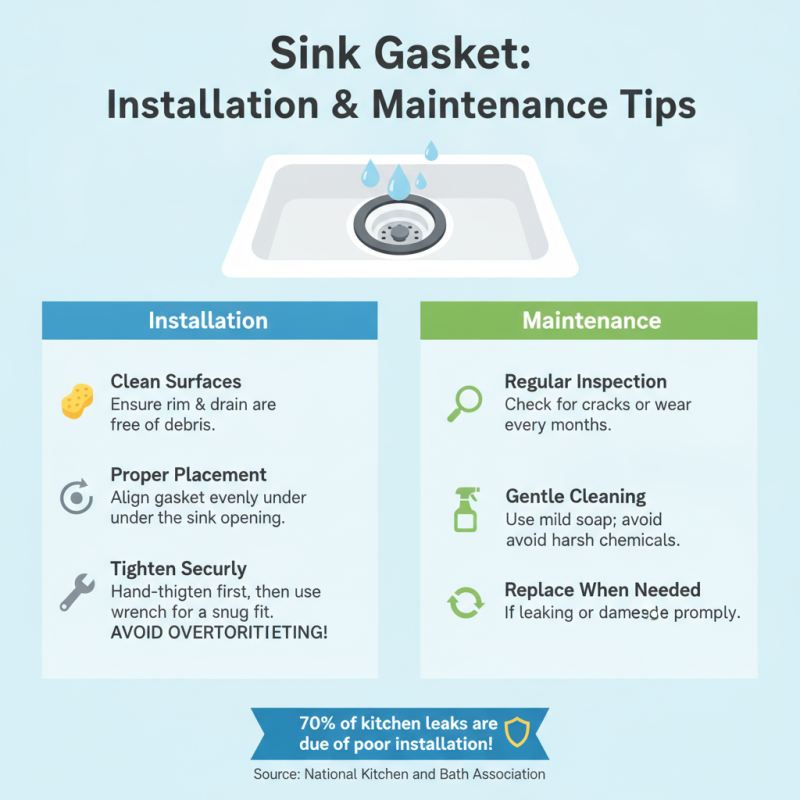
When installing a sink rubber gasket, proper attention to detail is essential for a leak-proof result. The National Kitchen and Bath Association emphasizes that nearly 70% of kitchen leaks stem from poor gasket installation. This statistic highlights the importance of following best practices during installation.
One key tip is to ensure the surface is clean and dry before placement. Any debris can compromise the gasket's seal. Additionally, using a gasket that fits snugly within the sink's design is crucial. A 2020 industry report noted that improper sizing was a leading cause of gasket failures, with over 40% of cases linked to this issue.
Routine maintenance can prolong the lifespan of sink gaskets. Inspecting for wear and tear every few months is advisable. A visual check can reveal cracks or misalignments, which could lead to leaks. If you notice any signs of deterioration, replacing the gasket promptly can save further damage. Being proactive about maintenance helps avoid unexpected repair costs and keeps the kitchen functioning efficiently.