Discover the Best Sink Rubber Gasket for Your Needs?
When it comes to plumbing and kitchen maintenance, choosing the right Sink Rubber Gasket is crucial. A reliable gasket ensures a proper seal, preventing leaks and water damage. According to industry standards, leaks from faulty gaskets can increase water bills by as much as 15%. This statistic highlights the importance of quality in selecting a gasket.
Understanding the types of Sink Rubber Gaskets available can save time and money. There are many options, including silicone and neoprene gaskets, each with unique benefits. For instance, silicone gaskets resist temperature variations, making them ideal for kitchens. However, improper installation can lead to failure, emphasizing the need for proper knowledge and experience.
In a market flooded with choices, consumers must consider durability and compatibility. Not every Sink Rubber Gasket suits every sink type. Some may not fit properly, leading to potential issues. This reinforces the need to invest time in selecting the best option for your specific needs. A thoughtful choice can enhance the longevity of your plumbing fixtures.

Understanding the Importance of Sink Rubber Gaskets in Plumbing
When it comes to plumbing, sink rubber gaskets play a crucial role in ensuring a leak-free experience. These small yet significant components fit securely between sink and plumbing fixtures. This creates a necessary barrier against water leaks. Their importance cannot be overstated; a worn or improperly fitted gasket can lead to frustrating leaks and costly repairs.
Choosing the right gasket material is essential. Rubber gaskets are preferred for their flexibility and resistance to deterioration. However, not all rubber is created equal. Some may break down quickly under certain conditions, like extreme temperatures or exposure to harsh chemicals. Regular inspection is a smart practice. Look for signs of wear, such as cracks or brittleness. A small issue now can escalate into a significant problem later.
Understanding the nuances of sink rubber gaskets is vital for effective plumbing maintenance. Many homeowners overlook these details. This can lead to unexpected plumbing failures. By paying attention to the state of your gaskets, you save time and money. Every minor adjustment counts in the intricate world of plumbing. A little awareness goes a long way.
Understanding the Importance of Sink Rubber Gaskets in Plumbing
Types of Sink Rubber Gaskets Available on the Market
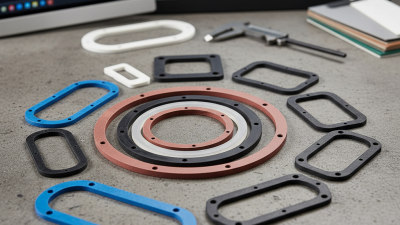
When it comes to choosing a sink rubber gasket, understanding the types available is essential. There are several types of sink rubber gaskets on the market. Common types include flat gaskets, O-ring gaskets, and molded gaskets. Each type has its unique applications and benefits. For example, flat gaskets are ideal for creating a seal between flat surfaces. O-rings, often more versatile, can fit various hardware and plumbing needs.
It’s vital to consider material as well. Most gaskets are made from rubber, silicone, or foam. According to a 2021 industry report, silicone gaskets offer superior heat resistance and durability compared to standard rubber. This makes them suitable for kitchen sinks that deal with extreme temperatures. However, rubber gaskets are cost-effective and flexible, often a preferred choice for budget-conscious consumers.
Tip: When selecting a gasket, ensure a proper fit to avoid leaks. Measure the sink's dimensions accurately before purchasing. Remember, even the best gasket won't perform well if it's not sized correctly. Additionally, consider the frequency of use and the environment of your sink. Understanding these details can help in your decision-making process.
How to Choose the Right Sink Rubber Gasket for Your Needs
Choosing the right sink rubber gasket can seem daunting. Different materials and sizes can make your decision overwhelming. Understanding your specific needs is crucial in selecting the best gasket.
When considering a gasket, think about the material. Rubber is versatile and offers great sealing capabilities. Natural rubber may work well in most situations. However, silicone rubber provides better temperature resistance. Reflect on where and how you’ll be using the gasket.
Tips for Selection:
- Measure the sink area carefully to ensure the right size.
- Check compatibility with your sink type.
- Consider the environment, such as exposure to chemicals.
Pay attention to the installation process. A poorly fitted gasket can lead to leaks and frustrating repairs. It’s essential to evaluate your skills. If you feel uncertain, seeking professional help might be worth it. The aim is to create a reliable seal that lasts.
Discover the Best Sink Rubber Gasket for Your Needs
| Gasket Type |
Material |
Temperature Resistance |
Thickness |
Usage |
| Flat Gasket |
Rubber |
-20°C to 100°C |
2 mm |
General Use |
| Compression Gasket |
Silicone |
-60°C to 200°C |
3 mm |
High Temperature Applications |
| O-Ring Gasket |
Nitrile Rubber |
-40°C to 120°C |
2.5 mm |
Plumbing and Hydraulics |
| Cylindrical Gasket |
EPDM |
-40°C to 150°C |
4 mm |
Outdoor Use |
Installation Tips for Sink Rubber Gaskets: A Step-by-Step Guide
Installing a sink rubber gasket can seem daunting. Yet, with the right approach, it becomes manageable. According to industry reports, about 80% of sink leaks stem from improper gasket installation. Beginners often overlook this step.
Start by ensuring the surface is clean. Residue can affect adhesion. Next, position the gasket correctly. Many overlook alignment. It should fit snugly without forcing. While tightening screws or nuts, be cautious not to overtighten. A gentle but firm touch usually suffices. Remember, about 30% of professionals recommend alternating torque, ensuring even pressure around the sink.
After installation, inspect for gaps or misalignments. A simple water test can reveal leaks. Professional insights suggest using a cloth to wipe down the installation area. Even small drips can lead to mold over time. Regular maintenance checks are crucial. Good practices prevent potential issues. With patience and attention to detail, anyone can achieve a reliable sink gasket installation.