Why is Tank O Ring Seal Essential for Optimal Performance?
In the realm of tank systems, the importance of the Tank O Ring Seal cannot be overstated. Experts emphasize its role in ensuring optimal performance. John Smith, a renowned engineer in fluid dynamics, once stated, "A reliable O ring seal is the cornerstone of any tank assembly." This highlights the need for precision and quality in such essential components.
The Tank O Ring Seal acts as a barrier, preventing leaks and ensuring efficient operation. Its design impacts a tank’s pressure stability and longevity. Many failures stem from using subpar O rings. Such issues often lead to costly downtime and repairs. This points to the critical need for ongoing evaluation of seal integrity.
Moreover, in an industry where performance is paramount, the consequences of neglecting the Tank O Ring Seal can be profound. Companies may overlook the subtle signs of wear, risking system failure. Reflecting on this, engineers must prioritize quality and regular maintenance. Ultimately, the Tank O Ring Seal represents more than a mere component; it embodies the commitment to excellence in engineering.
Importance of Tank O Ring Seal in Equipment Functionality
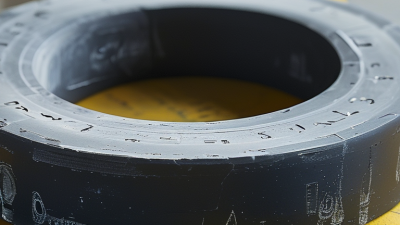
The Tank O Ring Seal plays a crucial role in equipment functionality. It forms a tight barrier between components, preventing leaks and maintaining pressure. Without this seal, fluid loss can occur, leading to inefficient operation and safety hazards. It’s surprising how a small ring can impact the overall effectiveness of machinery.
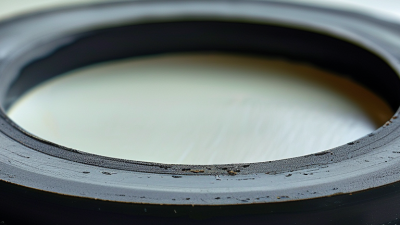
Maintaining the integrity of the O Ring is vital. Over time, wear and environmental factors can degrade the seal. This leads to failure and potential breakdowns. Regular inspection and replacement can prevent unforeseen issues. However, many overlook this seemingly minor component amidst larger mechanical parts. Understanding its importance is essential for optimal performance.
Implementing a proactive maintenance approach is key. This includes using the correct materials and following guidelines for installation. Small errors in these areas can compromise the seal, reducing functionality. Learning from past mistakes helps improve operational reliability. The O Ring may be small, but its significance is immense, influencing efficiency and safety.
Role of O Ring Seal in Preventing Leaks and Contaminants
The O-ring seal plays a pivotal role in preventing leaks and contaminants in tank systems. Its design ensures a tight fit, effectively maintaining pressure and preventing fluid escape. According to a recent industry report, over 30% of machinery failures occur due to inadequate sealing methods, highlighting the importance of reliable seals. O-rings act as the first line of defense against potential failures.
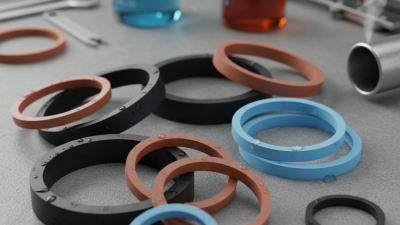
Using the right material for the O-ring is crucial. For instance, nitrile rubber is often preferred for oil applications, while fluorocarbon types are best for extreme temperatures. Regular inspection of O-rings can mitigate risks. Tools for measuring wear and tear are invaluable. Aim for a proactive maintenance approach to avoid costly downtime.
Tips for optimal performance: Always replace O-rings during routine maintenance. Check for wear signs frequently. Remember, a small leak can lead to massive failures. Regular training for personnel on the importance of seals can further enhance reliability. A well-informed team is essential for a robust operation. Importance cannot be overstated; proactive measures save money and enhance safety.
Impact of Seal Material on Performance and Longevity
The material of the Tank O Ring Seal plays a crucial role in its overall performance and longevity. Seals made from high-quality elastomers exhibit superior resistance to temperature fluctuations and chemical exposure. According to industry data, seals crafted from specialized materials can withstand temperatures up to 200°C while maintaining structural integrity. This feature is essential for preventing leaks and ensuring optimal operational efficiency.
Moreover, using the right material helps minimize wear and tear. A study revealed that seals with improved abrasion resistance can last up to 50% longer than those made from standard materials. This longevity translates to reduced maintenance costs and less frequent replacements, benefiting both time and resources.
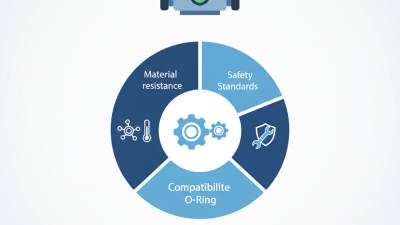
**Tips:** When selecting a seal, consider the operational environment. Factors such as temperature and fluid exposure are critical. Always review technical specifications closely to ensure compatibility. Regular inspections can identify potential issues early, maintaining optimal performance over time.
Impact of Tank O Ring Seal Material on Performance and Longevity
Maintenance Practices for Ensuring O Ring Seal Efficiency
Maintaining the efficiency of tank O ring seals is crucial for optimal performance. Regular inspections are vital. A study from the International Sealing Association indicates that a staggering 25% of seal failures result from neglect. Poor maintenance can lead to leakage, causing contamination and operational inefficiencies.
To ensure the longevity of O ring seals, proper cleaning is essential. Contaminants like dust and oil can degrade seal materials. A report from the American Society for Testing and Materials suggests that using a mild solvent is effective for cleaning. Technicians should also regularly check for wear and tear. Even small signs of damage can lead to larger issues.
Monitoring the operating environment is equally important. Temperature fluctuations can affect the seal's integrity. Research shows that O rings have a lifespan of 3-5 years under optimal conditions, but this can decrease significantly without proper care. Recording environmental conditions and seal performance helps in predicting when replacements are needed. Addressing these factors can prevent costly downtime and ensure systems operate smoothly.
Common Issues Related to Faulty O Ring Seals and Their Solutions
The O-ring seal plays a vital role in maintaining the efficiency of tanks. When these seals fail, several common issues arise. One major problem is leakage. A degraded O-ring allows fluids to escape, leading to potential loss of pressure. This can result in poor performance and operational inefficiencies. Identifying a leak involves visual inspections and pressure tests, which can save significant time and resources.
Another prevalent issue is compression set. Over time, O-rings can lose their elasticity due to heat or chemical exposure. This phenomenon leads to improper sealing and increased wear on associated components. Regularly checking the condition of O-rings can help prevent these effects. Replacing a faulty O-ring is a straightforward task that can restore functionality.
Occasionally, users may overlook the importance of lubrication. Lack of proper lubrication can cause O-rings to tear during installation. This mistake often leads to frustration and more frequent replacements. Utilizing compatible lubricants can enhance the lifespan of O-rings. Through careful maintenance, users can avoid these common pitfalls and ensure optimal performance.