Best Gas Resistant O Rings for Global Sourcing Needs?
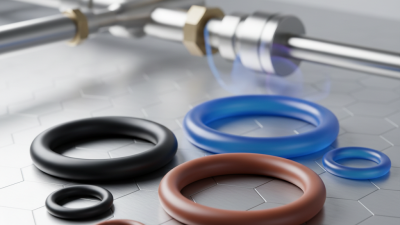
In today’s industrial landscape, the demand for Gas Resistant O Rings is ever-increasing. These specialized seals play a crucial role in various applications, from automotive to aerospace and countless others. Their ability to withstand harsh environments makes them indispensable.
Choosing the right Gas Resistant O Rings involves careful consideration of materials and specifications. Different gases can interact with elastomers in unexpected ways, leading to failures. This highlights the need for reliable suppliers who understand these complexities. Engineers must often navigate challenges that arise due to environmental factors and compatibility issues.
Understanding materials is key. Various compounds offer different levels of resistance to gases. Yet, even the best seals require reevaluation in some situations. Design flaws can lead to performance issues over time. Thus, sourcing these rings globally should involve partners with expertise and reliability. The importance of these seals cannot be overstated. They ensure safety and efficiency in operations across sectors, underscoring their value in modern engineering practices.
Understanding Gas Resistance in O-Rings
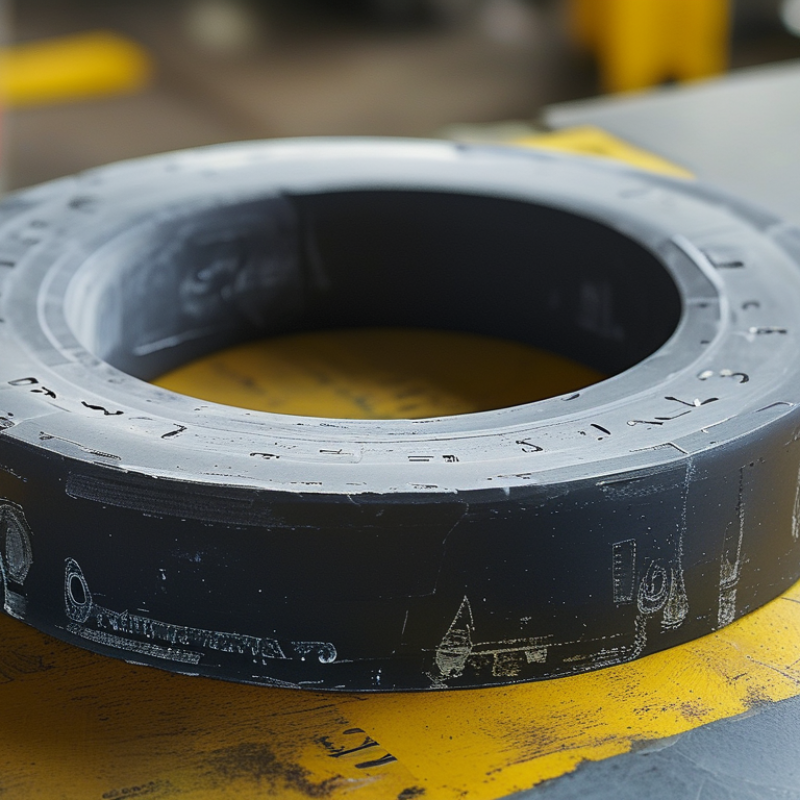
Gas resistance in O-rings is crucial for many industrial applications. The material composition directly affects their ability to withstand different gases. For example, certain synthetic rubbers are better suited for harsh environments. Selecting the right O-ring involves understanding the specific gas types and their temperatures.
Different gases can cause various reactions in O-ring materials. Some materials swell or degrade, affecting their sealing capabilities. It’s important to conduct thorough testing to assess how well an O-ring performs in specific gas scenarios. Factors like pressure, temperature, and exposure time also play significant roles.
One challenge in choosing the best O-rings is that no single material excels at everything. Each has its limitations and strengths. Therefore, a one-size-fits-all approach is often inadequate. Decision-makers must consider applications and potential gas interactions carefully. Regular reevaluation helps ensure continued reliability and safety in operations.
Materials Used for Gas-Resistant O-Rings
When selecting O-rings for gas resistance, material choice is crucial. Commonly used materials include fluorosilicone, nitrile, and FKM. Fluorosilicone offers excellent gas resistance, especially to fuels. It also withstands high temperatures. However, it may not be the best choice for all applications.
Nitrile rubber is another popular option. It is cost-effective and has good gas resistance. Yet, it can degrade more quickly under certain conditions. Consider the environment where the O-ring will be used. This can significantly impact its lifespan and effectiveness.
FKM materials stand out for their durability. They resist a wide range of chemicals and high temperatures. Despite their many advantages, FKM O-rings may require specific maintenance. Proper installation and regular inspection will ensure better performance. Keep in mind that even the best materials can fall short if not correctly paired with the right application.
Best Gas Resistant O-Rings for Global Sourcing Needs
Key Standards for Sourcing O-Rings Globally
When sourcing O-rings globally, it is crucial to understand the relevant standards. The ISO 3601 standard is one of the most widely accepted guidelines for O-rings. This standard outlines the dimensional tolerances and specifications necessary for ensuring quality and durability. Countries that adhere to these specifications often experience fewer failures in sealing applications.
Another key standard is the ASTM D2000, which classifies elastomer materials based on their properties. This classification aids in selecting the right material for specific gas environments. For instance, certain materials are better suited for high-pressure gas applications. According to industry reports, over 70% of seal failures are attributed to improper material selection. This highlights the importance of adhering to these standards.
Furthermore, regional variations in standards can complicate sourcing. Regulations in Europe, for example, may differ significantly from those in North America or Asia. Suppliers must possess experience in navigating these complexities. This ensures that the O-rings meet safety and performance criteria, reducing the risk of operational failures. Understanding these standards is essential for making informed decisions in the global marketplace.
Factors Affecting O-Ring Performance in Gas Applications
When selecting O-rings for gas applications, one must consider various factors that impact their performance. The material compatibility with specific gases is crucial. Not all materials withstand the chemical properties of gases. For instance, some materials might degrade over time, leading to leaks. Understanding gas composition is vital to choose the right O-ring.
Temperature fluctuation also plays a significant role in O-ring efficiency. Extreme heat or cold can change the material’s tensile strength. This variation may cause the O-ring to lose its sealing capabilities. Furthermore, compression set affects long-term performance. If O-rings do not recover fully from compression, they may fail sooner than expected.
Shockingly, installation errors can also lead to performance issues. Improper sizing or misalignment during installation can result in immediate failure. Regular inspection is necessary. Identifying wear and potential failure points early can save time and costs in the long run. This proactive approach fosters reliability in gas applications.
Best Gas Resistant O Rings for Global Sourcing Needs
| Material |
Temperature Range (°C) |
Pressure Rating (psi) |
O-Ring Hardness (Shore A) |
Chemical Resistance |
| Nitrile (NBR) |
-40 to 100 |
3000 |
70 |
Excellent for petroleum-based oils |
| Fluoroelastomer (FKM) |
-20 to 200 |
4000 |
75 |
Good chemical resistance, including fuels |
| Silicone (VMQ) |
-60 to 200 |
1500 |
60 |
Not suitable for fuels, good for gases |
| Polyurethane (PU) |
-30 to 80 |
2500 |
85 |
Moderate chemical resistance |
| Ethylene Propylene Diene Monomer (EPDM) |
-50 to 150 |
2000 |
70 |
Excellent water and steam resistance |
Top Suppliers for Gas-Resistant O-Rings in Global Markets
In today's global market, sourcing gas-resistant O-rings is essential for various industries. These components provide crucial sealing solutions in environments exposed to gases, ensuring operational safety and efficiency. According to a report by MarketsandMarkets, the global O-ring market is expected to reach $6.2 billion by 2025, with increasing demand for gas-resistant materials. This trend reflects the need for high-performance seals that withstand harsh conditions.
When selecting suppliers for gas-resistant O-rings, assessing their experience and reliability is critical. A reputable supplier will offer certifications and adhere to industry standards. Material choices such as fluorocarbon and nitrile rubber can significantly affect performance in gas applications. Flawless seals are paramount, as even minor defects can lead to catastrophic failures. The right supplier understands these nuances and can provide customized solutions.
Tip: Always request sample materials before committing to larger orders. Evaluating the seal's performance in your specific application can save time and resources. Moreover, consider the lead time and production capabilities of potential suppliers. A responsive supplier can greatly enhance your project’s efficiency.