Leave Your Message
-
Phone
-
E-mail
-
Whatsapp

Choosing a Propane Tank Rubber Gasket in 2026 is not simply a matter of matching a familiar shape. The seal must fit the specific connection and meet the equipment manufacturer’s requirements. A gasket that looks right on a workbench may still have the wrong thickness, diameter, or material. Small differences matter. This guide covers the details to verify before purchasing, including part numbers, measurements, material compatibility, and product documentation.
Begin with the tank, valve, or appliance manual when available, then compare its specifications with the gasket listing. Check that the product is intended for propane service and the precise connection type. Avoid relying on color, appearance, or a seller’s broad claim that one gasket fits many models. That sounds simple, but listings can be incomplete. If dimensions or compatibility remain unclear, ask the manufacturer or a qualified propane service professional rather than guessing.
A correct seal supports reliable operation, but installation also matters. Follow the equipment instructions, and do not force a gasket that seems too tight or loose. Never use an open flame to check for leaks. If you notice a propane odor or suspect a leak, follow the manufacturer’s safety guidance and contact a qualified professional. This article offers practical selection guidance, not a substitute for model-specific instructions. Even careful buyers can miss a detail, so verify the part before installation.
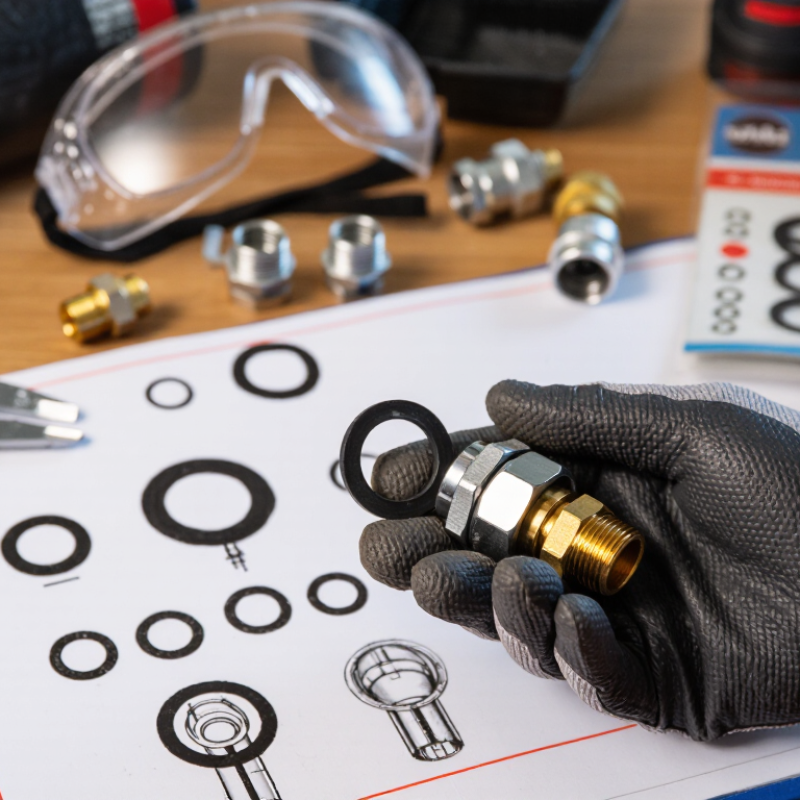
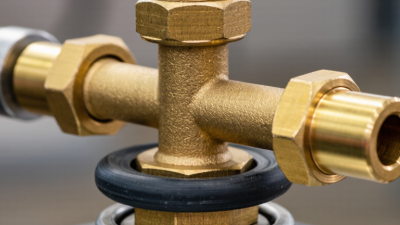
Before choosing a propane tank rubber gasket, identify the valve connection. A Type 1 QCC valve usually has large external threads and a hand-tightened nut. Its connector typically seals against an elastomeric ring in the fitting. Check that the ring is present, clean, undamaged, and specified for that connector.
A CGA 510 POL connection uses internal threads and a left-hand-threaded fitting. Many POL connections seal at the fitting’s nose and valve seat, rather than with a separate flat gasket. Designs can vary, so check the appliance or connector instructions before replacing anything. A generic rubber washer may prevent proper seating or damage the connection.
Look closely in good light. Cracks, flattening, grit, or a missing seal matter. Match the replacement to the exact connection and propane service; do not stretch or stack seals. It is easy to assume both fittings need the same gasket. They do not. After reconnecting, follow the equipment maker’s leak-check procedure, using approved leak-detection solution—not a flame. If bubbles appear, close the cylinder valve and stop using the connection until it is repaired or inspected by a qualified technician.
| Check | CGA 510 POL | Type 1 QCC (QCC1) | What It Means for Gasket Selection |
|---|---|---|---|
| Typical connector appearance | A threaded POL connector screws into the valve outlet; it is commonly tightened with a wrench. | A large handwheel nut on the appliance connector screws onto the valve’s external ACME thread. | Identify the connector by its shape and connection method before looking for a replacement seal. |
| Connection standard | CGA 510 POL connection; the connector has left-hand threads. | Type 1 QCC1 connection; the handwheel connector engages the valve’s external ACME thread. | A POL seal is not interchangeable with a Type 1 QCC seal. Do not select a gasket based only on appearance. |
| Where the sealing surface may be | The connection commonly seals at the mating surfaces of the POL connector and valve outlet; designs can vary. | The seal is commonly part of the Type 1 connector assembly and mates with the valve outlet; exact construction varies. | Do not assume the tank valve contains a removable rubber gasket. Check the connector and the equipment or valve instructions. |
| Information to confirm | Confirm the CGA 510 POL connection and the connector or appliance model. | Confirm Type 1 QCC1, the connector or appliance model, and whether its seal is user-replaceable. | Use the exact replacement part or specifications stated by the equipment or valve manufacturer. There is no universal gasket size or material for every connection. |
| Material and compatibility | Use only a seal specifically approved for the identified propane connection and operating conditions. | Use only a seal specified for the Type 1 connector; do not substitute a general-purpose rubber washer. | The material must be compatible with propane and the connector design. A similar-looking seal may have the wrong dimensions or compression characteristics. |
| Inspection before replacement | Look for dirt, damage, corrosion, or a worn or deformed mating surface. Do not force the connector. | Inspect the connector seal and mating outlet for cuts, flattening, cracking, contamination, or other damage. | If the valve outlet or connector is damaged, stop using it and have it assessed by a qualified propane service professional. |
| Installation cautions | Follow the connector instructions for engagement and tightening. Do not add tape or sealant unless the instructions specifically require it. | Connect by hand as instructed; do not cross-thread, overtighten, or add tape or sealant to the sealing surfaces. | Thread tape or pipe compound does not repair a damaged gasket or mating surface and can interfere with a connection designed to seal at its face. |
| Leak check after connection | Follow the appliance instructions and check the connection with an approved leak-detection solution. | Follow the appliance instructions and check the connection with an approved leak-detection solution. | Never use a flame to check for leaks. If bubbles appear or you smell propane, shut off the supply if safe, avoid ignition sources, and contact a qualified professional. |
Safety note: Connection designs and approved replacement parts vary. Follow the instructions for the specific propane cylinder valve, connector, and appliance; do not modify or repair a cylinder valve yourself.