How to Choose the Right Gas O Rings for Your Needs?
Selecting the right Gas O Rings is crucial in various industries, including automotive and aerospace. According to a recent industry report, improper sealing materials can lead to significant operational failures. In fact, nearly 30% of mechanical failures in gas systems are attributed to inadequate seals. This highlights the importance of choosing quality Gas O Rings tailored to specific applications.
Understanding the material composition of Gas O Rings is essential. Factors such as temperature, pressure, and chemical exposure play a vital role in the longevity of these seals. Reports show that even a small variation in these parameters can reduce the effectiveness of a Gas O Ring by over 50%. This illustrates a need for careful consideration and thorough testing.
Moreover, sourcing from reputable manufacturers is key to ensuring reliability. Industry experts recommend conducting a thorough evaluation of product specifications before purchase. Many users overlook this step, leading to costly mistakes. A well-informed choice in Gas O Rings can prevent leaks and enhance overall system performance.
Understanding Gas O Rings: Types and Applications
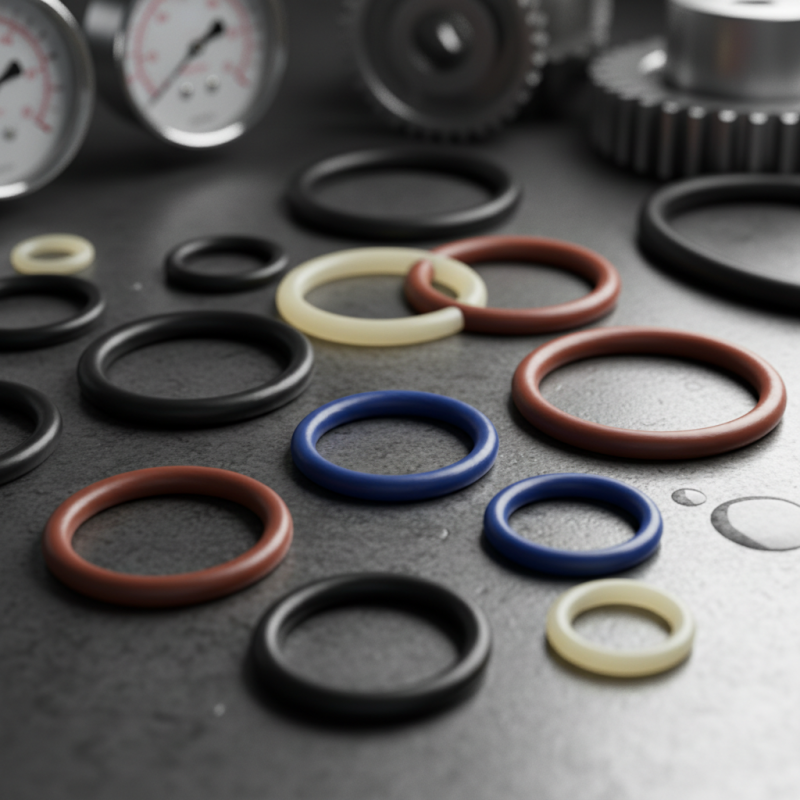
Gas O rings play a crucial role in many applications, from automotive to industrial. Understanding their types and applications can help in making effective choices. There are different materials for gas O rings, including rubber, silicone, and fluorocarbon. Each material corresponds to different temperature ranges and chemical compatibility. For instance, silicone O rings withstand high temperatures, while fluorocarbon is excellent for aggressive chemicals.
When selecting gas O rings, consider the specific environment they will be used in. Assess the temperatures, pressures, and chemicals involved. Conduct thorough research to find the best fit for your application.
**Tips:** Always measure accurately before purchasing. Additionally, stock extra O rings for urgent replacements. Check for certifications to ensure reliability. Recognizing the importance of selection can lead to better performance and longevity in your systems.
How to Choose the Right Gas O Rings for Your Needs?
| Type of Gas O Ring |
Material |
Temperature Range |
Applications |
| Nitrile (NBR) |
Nitrile Rubber |
-40°C to 100°C |
Fuel systems, oil equipment |
| Fluoroelastomer (Viton) |
Fluorocarbon |
-15°C to 200°C |
Chemical processing, aerospace |
| Silicone |
Silicone Rubber |
-60°C to 230°C |
Food processing, medical devices |
| Neoprene |
Chloroprene Rubber |
-40°C to 120°C |
Marine applications, electrical insulation |
Key Materials for Gas O Rings: Choosing the Right Composition
When selecting gas O rings, the right material is crucial. The choice of composition affects durability, compatibility, and performance. Common materials include nitrile, fluorocarbon, and silicone. Each has unique properties suited for specific applications. Nitrile offers good oil resistance, while fluorocarbon excels in high-temperature environments. Silicone is ideal for extreme cold flexibility.
Understanding the material strengths can guide you. It’s essential to assess your project needs accurately. Temperature fluctuations and chemical exposure matter. For high-pressure applications, consider using thicker O rings.
Tips: Always check compatibility with the gases involved. A material that works great in one application might fail in another. Also, consider the O ring’s hardness. Softer O rings can provide better sealing.
In conclusion, choosing the right composition ensures reliability in your applications. Reflect on your material choices frequently. What works today may need revisiting tomorrow. Adjust as necessary for optimal results.
Gas O Ring Material Composition and Their Applications
Factors Influencing Gas O Ring Size and Dimensions
Choosing the right gas O rings is essential for maintaining efficiency in various applications. When considering size and dimensions, several factors come into play. The most critical aspect is the application environment. For instance, high-pressure systems require O rings that can withstand rigorous conditions without deteriorating.
Material choice is another significant factor. Different materials offer various resistance to temperature, pressure, and chemical exposure. For gas applications, you often need materials that can handle extreme conditions. Think about the specific fluids the O rings will contact. This ensures practical longevity and reliability.
Tips: Measure the groove dimensions carefully. Even minor variations can lead to significant issues. Testing the O ring in real conditions can provide insights. Monitor performance over time to avoid unexpected failures. Remember, the right size can sometimes feel just slightly off until you test it properly.
Assessing Temperature and Pressure Ratings for Gas O Rings
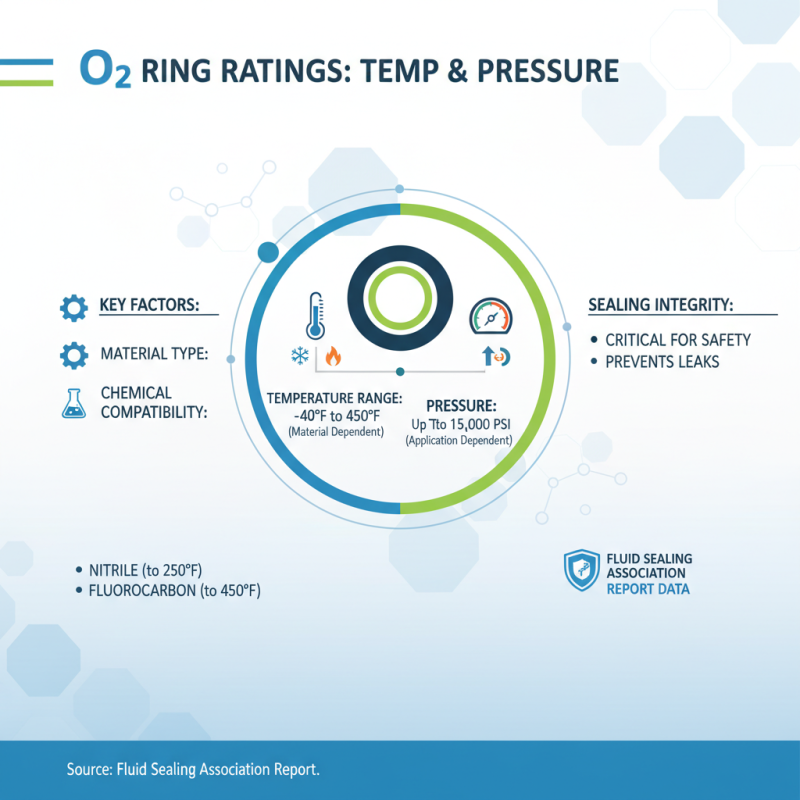
Choosing the right gas O rings requires careful assessment of temperature and pressure ratings. These factors are critical for ensuring sealing integrity in various applications. Typically, O rings are categorized by material properties that define their performance limits. Rubber compounds like nitrile or fluorocarbon, for instance, have varied heat resistance and chemical compatibility. A report from the Fluid Sealing Association indicates that O rings can typically withstand temperatures ranging from -40°F to 450°F, depending on the material used.
Pressure ratings also play a crucial role. O rings can handle pressures from a few pounds to over 5,000 psi. However, exceeding the rated limits can lead to failure. A study published by the Society of Automotive Engineers highlighted that many O rings fail under extreme conditions, especially when temperatures rise unexpectedly. Users must consider both the operational environment and the application specifics when making their selections.
It’s essential to review specifications carefully. Misjudging either temperature or pressure could result in leaks, equipment failures, or safety hazards. Not all applications will have straightforward requirements. For example, varying compounds and sizes may yield different results under stress. Testing the selected O rings in actual operating conditions can be a prudent approach to ensure they will perform as expected.
Common Mistakes to Avoid When Selecting Gas O Rings
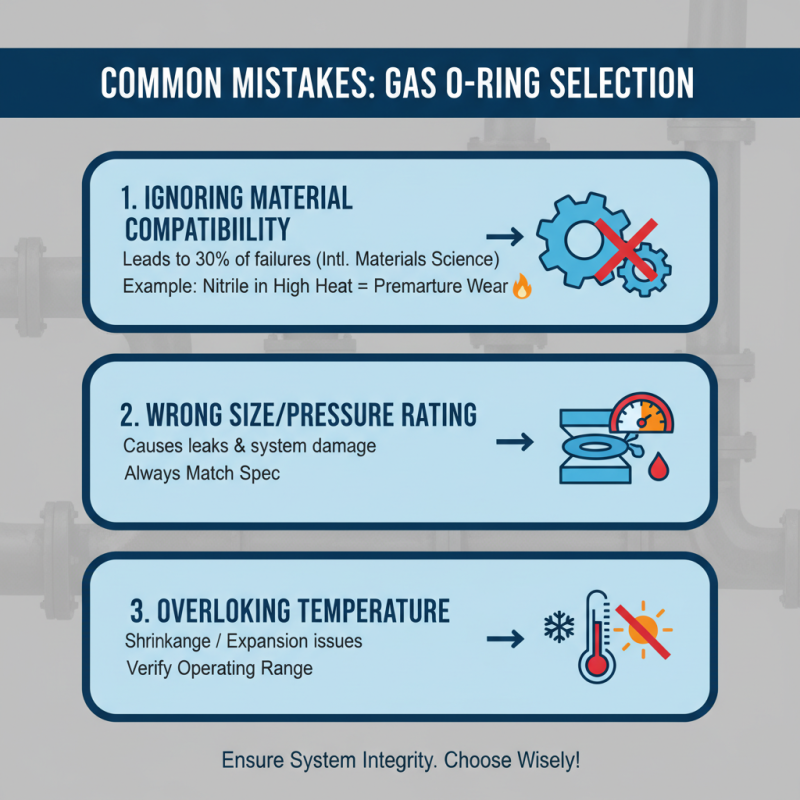
Selecting the right gas O rings is crucial for system integrity. However, many make common mistakes. One prevalent error is ignoring material compatibility. A report from the International Institute of Materials Science indicates that improper material selection leads to 30% of O-ring failures. For example, using nitrile in high-temperature applications can cause premature wear.
Another mistake is neglecting proper sizing. O rings must fit snugly to form a proper seal. An American Society of Mechanical Engineers study emphasizes that 60% of assembly issues arise from incorrect O-ring dimensions. Always measure your groove accurately before purchasing.
Tip: Always consult technical datasheets for material properties. They provide valuable insights into chemical resistance, temperature tolerances, and physical limitations. Don't hesitate to reach out to experts for guidance. This can save you time and resources.
Be wary of over-reliance on generic guidelines. Each application can have unique requirements. Testing in your specific environment is essential to ensure performance and longevity. Remember, even slight mistakes can lead to significant failures. Each choice matters.