Why Choose Tiny O Rings for Your Sealing Solutions?
When it comes to sealing solutions, Tiny O Rings stand out as an exceptional choice. These small, yet powerful components are designed to prevent leaks and protect various systems. Their compact size allows them to fit into tight spaces, making them ideal for intricate applications.
Tiny O Rings offer versatility across multiple industries. From automotive to medical, their reliability is unmatched. Yet, selecting the right type can sometimes be challenging. Factors like material, size, and pressure play significant roles. It’s crucial to analyze the specific requirements of your project. A small mistake could lead to failures.
Moreover, understanding the applications of Tiny O Rings can enhance their effectiveness. Each industry has unique demands that may require tailored solutions. Over time, consumers have learned that not all O Rings are created equal. Quality matters, and trusting established suppliers is essential for success. Emphasizing this, Tiny O Rings remain a go-to for engineers seeking dependable sealing solutions.
Understanding the Basics of Tiny O Rings in Sealing Applications
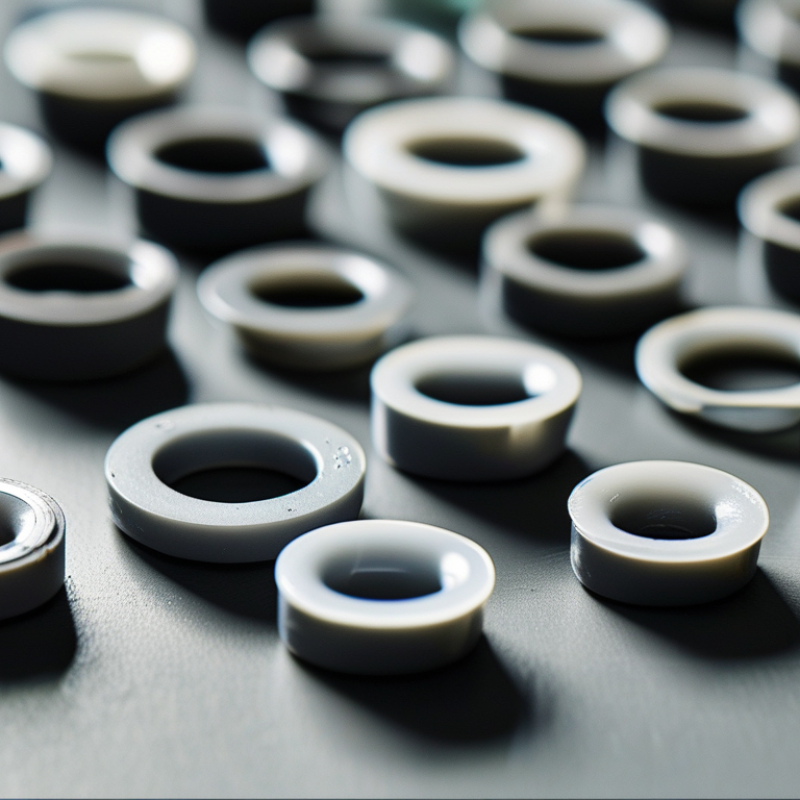
Tiny O rings play a crucial role in various sealing applications. These small, circular components create effective seals between two surfaces, preventing leaks and contamination. Their versatility makes them essential in industries like automotive, aerospace, and pharmaceuticals. According to market research, the global O-ring market is projected to reach over $5 billion by 2025, largely due to the increasing demand for durable sealing solutions.
In many sealing applications, the size and material of the O ring directly impact its performance. For example, Nitrile and silicone are common materials chosen for their resistance to various chemicals. A 2022 study indicated that using the right material can enhance seal life by up to 30%. Additionally, tiny O rings are often used in high-pressure environments. Their unique design allows them to compress and adapt, maintaining an effective seal under pressure.
Choosing the right O ring is not a simple task. Factors like temperature and fluid compatibility require careful consideration. Regularly testing seals in operational conditions can provide insight into their reliability. Consider maintaining a seal log to track performance over time. Adjusting your O ring selection based on this data can help improve overall efficiency in your applications.
The Advantages of Choosing Tiny O Rings Over Other Sealing Options
Tiny O rings have gained attention in various industries due to their unique advantages as sealing solutions. These small but mighty components offer exceptional sealing performance, often outperforming traditional sealing options. Their compact size allows for efficient use in tight spaces. This feature is crucial in applications where traditional seals may fail due to limited room.
One of the standout benefits of Tiny O rings is their versatility. They can be made from a variety of materials, such as silicone, nitrile, or fluorocarbon. This adaptability enables them to handle different fluids and environmental conditions. Their resilience against extreme temperatures and pressures is impressive, making them suitable for many applications. However, not all Tiny O rings perform equally. It’s vital to select the right material for the specific task at hand.
In some cases, users may underestimate the importance of proper installation. A poorly installed O ring can lead to leaks and equipment failures. This highlights the need for training and knowledge in handling sealing solutions effectively. While Tiny O rings can be reliable, the quality of performance often depends on the context of use. Aligning the right choices with specific needs can enhance operational efficiency.
Common Materials Used in Tiny O Rings and Their Properties
Tiny O rings are popular for their versatility in sealing applications. Understanding the materials used in these components is essential. Common materials include rubber, silicone, and polyurethane. Each has unique properties that make them suitable for specific environments.
Rubber O rings are widely used due to their elasticity. They offer good compression set resistance, making them reliable for various applications. However, they may not perform well in extreme temperatures. Silicone O rings are known for their durability in high-temperature settings. They are often chosen for food-grade applications due to their non-reactive nature. Polyurethane O rings combine the best traits of rubber and silicone, offering excellent abrasion resistance.
Despite their benefits, these materials have limitations. For instance, rubber may degrade quicker in chemical environments. Silicone, while heat-resistant, can be less effective under pressure. Users should carefully assess their sealing needs before selecting a material. It's important to balance performance with environmental factors to ensure a reliable sealing solution.
Why Choose Tiny O Rings for Your Sealing Solutions?
Applications of Tiny O Rings in Various Industries
Tiny O rings have become essential components across various industries due to their versatility and reliability. In the automotive sector, they are widely used in fuel systems and engine components, where they create tight seals to prevent leaks. These rings can withstand extreme temperatures and pressures, making them suitable for critical applications.
In the medical field, tiny O rings play a key role in devices like syringes and valves. Their ability to ensure sterile environments is vital. O rings made from specialized materials can resist chemical breakdown, enhancing safety in medical equipment. Despite their small size, they carry significant responsibility in maintaining functionality.
Moreover, in aerospace applications, tiny O rings are utilized in spacecraft systems and engines. The rigorous testing of these seals ensures they can endure harsh conditions in space. However, designers must constantly evaluate potential failure points. Finding the right material and size is crucial for optimal performance. It is an ongoing challenge that requires expertise and thorough testing to get right.
Why Choose Tiny O Rings for Your Sealing Solutions? - Applications of Tiny O Rings in Various Industries
| Industry |
Application |
Material |
Temperature Range (°C) |
Benefits |
| Automotive |
Fuel systems, Hydraulic seals |
Nitrile (NBR) |
-40 to 120 |
Excellent resistance to fuel and oils |
| Aerospace |
Pressure systems, Fluid transfer |
Fluoroelastomer (FKM) |
-20 to 200 |
High-temperature and chemical resistance |
| Medical |
Medical devices, Sealing applications |
Silicone |
-60 to 200 |
Biocompatible and flexible |
| Food Processing |
Food machinery seals, Pumps |
EPDM |
-40 to 150 |
Highly resistant to water and steam |
| Electronics |
Enclosures, Electrical connections |
Neoprene |
-20 to 100 |
Good weather resistance and electrical insulation |
Tips for Selecting the Right Tiny O Rings for Your Needs
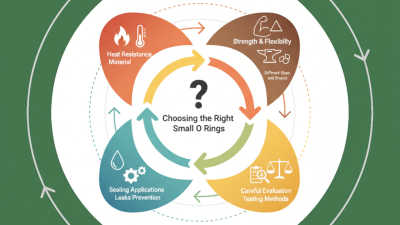
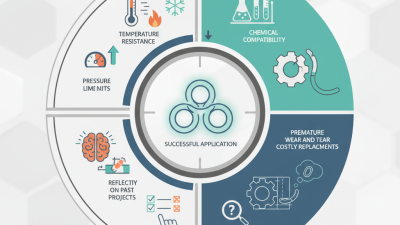
Choosing the right tiny O rings for your sealing solutions can be challenging but essential for optimal performance. Industry reports suggest that improper sealing can lead to costly downtime. Tiny O rings are crucial in applications ranging from automotive to aerospace. They often handle extreme pressures and temperatures, making correct selection vital.
When selecting tiny O rings, consider the material. Different materials offer various levels of resistance to chemicals and heat. For example, nitrile is strong against oils but may degrade in extreme temperatures. Silicone is great for high-temperature applications but may not withstand harsh chemicals. A mismatch can lead to system failures and safety hazards.
Evaluate the dimensions carefully. The size of the O rings affects their fit and function. A small variance can cause leakage or breakage. Measuring with precision is key. Additionally, check industry standards, such as ASTM specifications. Not meeting these guidelines may compromise quality. Selecting the right size and material is not an easy task. It requires thorough research and sometimes multiple trials to find the best fit.