How to Choose the Right Parker Hannifin O Ring for Your Needs?
Choosing the right Parker Hannifin O Ring can significantly impact your project's success. These small but crucial components are used in various applications, from automotive to aerospace. Selecting the correct material and size is vital for optimal performance.
Understanding the unique properties of Parker Hannifin O Rings makes a difference. Different materials offer various benefits, such as temperature resistance and chemical compatibility. You might find it challenging to decide which option is best for your needs. Sometimes, trial and error can lead to costly mistakes in your project.
Consider your specific application and environment. Assessing factors like pressure, temperature, and the presence of chemicals is essential. These details influence the type of O Ring you should choose. It’s important to reflect on your past choices. Did they yield the desired results, or were there shortcomings? Making informed decisions can elevate your project outcomes.
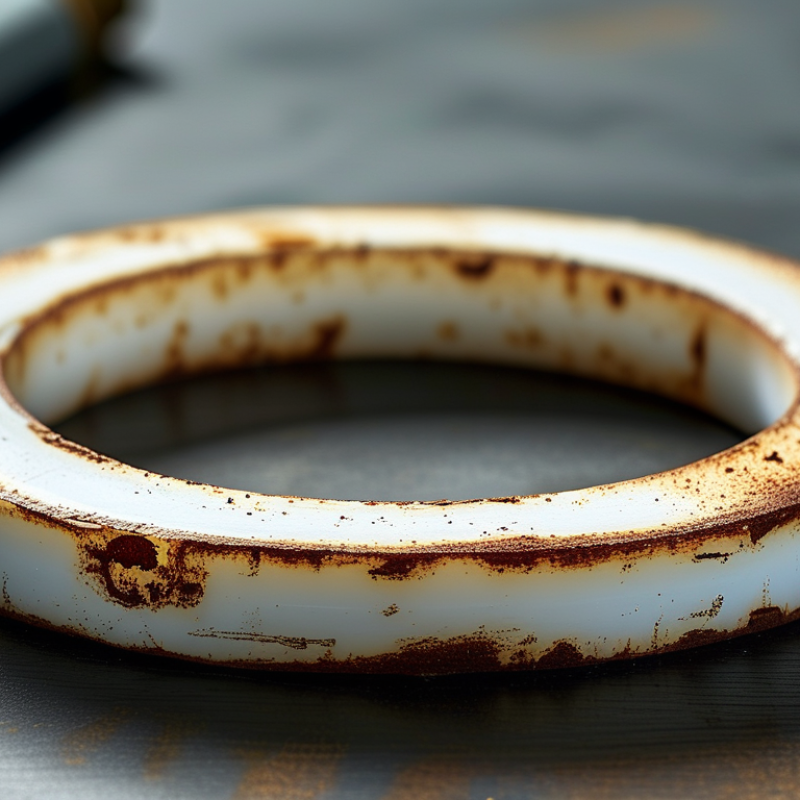
Understanding O Ring Materials: Key Properties and Applications
Choosing the right O-ring requires an understanding of its material properties. Each material has specific characteristics that dictate its suitability for certain applications. Rubber O-rings, for example, are generally flexible and provide excellent sealing capabilities. However, they can degrade when exposed to harsh chemicals. Conversely, fluorocarbon O-rings offer better resistance to aggressive substances. They’re ideal for applications involving oil or heat.
Additionally, consider the environment where the O-ring will be used. Temperature, pressure, and exposure to chemicals all influence performance. Some materials, like silicone, are better suited for extreme temperatures. Others might fail prematurely if they encounter certain solvents. It’s crucial to reflect on these factors to avoid costly failures.
Material selection also includes aesthetics and operational efficiency. While some applications prioritize sealing over appearance, others may need visually appealing O-rings. Balancing these needs can get tricky. Testing different materials in real-world conditions is often necessary. Not all selections will perform flawlessly on the first try. An iterative approach may reveal unexpected challenges.
How to Choose the Right O Ring for Your Needs?
| Material |
Temperature Range (°C) |
Chemical Resistance |
Application |
| Nitrile (NBR) |
-40 to 100 |
Good against oils and fuels |
Automotive, hydraulic seals |
| Fluorocarbon (FKM) |
-15 to 200 |
Excellent against chemicals and high temperatures |
Chemical processing, aerospace |
| Silicone |
-60 to 200 |
Limited chemical resistance |
Medical, food, and beverage |
| Ethylene Propylene Diene Monomer (EPDM) |
-50 to 150 |
Good against water and steam |
Water applications, outdoor equipment |
| Neoprene |
-40 to 100 |
Good against oils and weathering |
General sealing applications |
Identifying O Ring Sizing: Importance of ID, CS, and Tolerances
When choosing the right O ring, sizing is crucial. The inner diameter (ID) is the first measurement to consider. A precise ID ensures a proper seal. If it's too large, leaks may occur. If it's too small, installation could be challenging. Always measure accurately to avoid these issues.
Next, the cross-section (CS) size is equally important. This measurement affects the O ring's ability to withstand pressure and temperature. A thicker CS can provide better compression resistance. However, it may not fit in tight spaces. Consider the application environment when determining the ideal CS size.
Tolerances also play a significant role in the selection process. Proper tolerances ensure that the O ring fits as intended. Any deviation can lead to performance failures. Understanding manufacturing specifications will help you avoid costly mistakes. Take time to review these details carefully. Testing different sizes may reveal which options work best.
Understanding O Ring Sizes and Their Importance
Evaluating Pressure and Temperature Ratings for O Rings
When selecting O rings, pressure and temperature ratings are crucial. These factors determine how well an O ring will perform in specific applications. High pressure may cause some materials to fail, while extreme temperatures can lead to degradation. Identifying the right specifications ensures functionality and longevity.
To assess pressure ratings, consider the application’s requirements. For instance, O rings in hydraulic systems must withstand high pressures. Temperature ratings should also match the operational environment. Certain materials perform better in heat. Others remain stable in cold. Testing under intended conditions can reveal potential weaknesses.
Finding the balance between pressure and temperature ratings can be challenging. Materials may excel in one area but falter in another. Even slight mismatches can lead to failures. It’s essential to analyze conditions and consult experts during selection. This approach can save time and resources in the long run.
Exploring Compatibility: Chemical Resistance of Parker Hannifin O Rings
Choosing the right O ring for your project can be challenging. One crucial factor is chemical resistance. Different materials have varying abilities to withstand specific chemicals. Understanding these differences is essential for reliable performance.
Consider the application environment. For example, if the O ring will be used in petrol, selecting a compatible material is vital. Common materials include Nitrile and Fluoroelastomer, which offer good resilience against many oils. However, each chemical presents unique challenges. Always refer to compatibility charts for accurate insights.
Tips: Always conduct a small trial in your actual working conditions. This practice can reveal unforeseen issues. Also, consider temperature and pressure effects on chemical resistance, as they can alter performance. Relying solely on generalizations may lead to problems later.
Evaluating chemical effects on O ring materials will enhance longevity. Gather data, even simple observations, to make informed choices. Remember, a small oversight can lead to significant failures. Never underestimate the power of thorough research in ensuring the right fit for your needs.
Selecting the Right O Ring Design: Profiles and Cross-Sections Explained
Choosing the right O-ring design is critical for ensuring
optimal sealing performance. O-rings come in various profiles and cross-sections. The design impacts how well
an O-ring can withstand pressure and temperature variations. For example, a round cross-section
is the most common choice, offering versatility in many applications. However, not every situation suits a
standard profile.
Considerations extend beyond basic shape. The durometer, or hardness,
of the material affects how the O-ring performs under stress. Softer O-rings may provide better sealing
but can wear out faster. A harder O-ring can endure more pressure but may not seal effectively if the surface
is uneven. Engineers must evaluate both factors to find a suitable balance.
It's essential to acknowledge that selecting the wrong profile can lead to system failures.
An incorrect O-ring might not withstand chemical exposure, leading to leaks and increased costs.
Design complexity can also present challenges. For instance, spiral O-rings
offer improved sealing for high-pressure applications but require more precise installation.
Careful consideration and testing can mitigate these risks, ensuring reliability in your selections.