Best Gas O Rings for Reliable Seals in Your Applications?
In various industries, Gas O Rings play a crucial role in creating reliable seals. These components are essential for ensuring operational efficiency and preventing leaks. According to a report by Grand View Research, the global O-ring market was valued at approximately $3 billion in 2021, with significant growth expected in the future. This trend highlights the increasing demand for high-quality sealing solutions.
Choosing the right Gas O Rings is vital for applications in sectors like oil and gas, automotive, and aerospace. These rings must withstand extreme temperatures and pressures. They also need to resist chemical exposure without compromising performance. A failure in sealing can lead to hazardous situations and costly downtime.
While many options are available on the market, not all Gas O Rings are created equal. Some manufacturers may prioritize cost over quality, leading to potential failures. It’s essential to weigh the reliability against the price. Investing in certified products can mitigate risks. Ultimately, the right choice can enhance safety and operational success.
Overview of Gas O Rings and Their Importance in Sealing Applications
Gas O rings are essential components in many sealing applications. These rings are made from materials designed to provide a reliable barrier against gas leaks. Their importance cannot be overstated, especially in high-pressure environments. When selecting gas O rings, the material and size must match the specific application requirements.
The right gas O ring can ensure optimal performance. For example, elastomeric materials are commonly used due to their flexibility and resilience. However, not all elastomers work well with every gas. Some might degrade over time, leading to possible failures. Regular inspection and maintenance are crucial for ensuring seals remain effective.
Choosing improper O rings can lead to leaks and costly downtime. Often, users overlook the impact of temperature variations on sealing performance. A thorough understanding of the operating environment is vital. Mistakes in material selection can cause severe issues. Therefore, investing time in research ensures better reliability in sealing applications.
Types of Gas O Rings: Materials and Their Characteristics
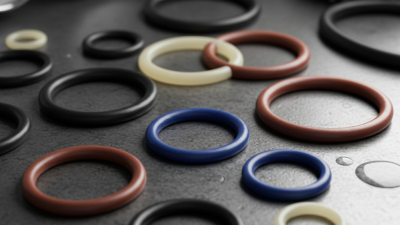
Gas O-rings come in various materials, each tailored to specific applications and environments. Common materials include nitrile, fluorocarbon, and silicone. Nitrile O-rings are popular due to their excellent resistance to fuel and oil. They perform well in temperatures ranging from -40°C to 100°C. On the other hand, fluorocarbon O-rings excel in higher temperature environments, enduring between -20°C to 200°C, making them ideal for harsh chemicals.
Silicone O-rings are flexible and provide good sealing capabilities in extreme temperatures from -60°C to 230°C. Their resilience is backed by data indicating over 95% reliability in long-term applications. However, they may not be suitable for all chemical exposures, highlighting the need for careful selection based on the specific gas involved.
Materials can also affect the longevity of O-rings. For example, a 2021 industry report emphasized the importance of compatibility between the O-ring material and the operating environment. Misalignment can lead to premature failure, underscoring the necessity of thorough testing. Always ensure to evaluate the environment and gas types before selecting O-rings to ensure reliable seals in your applications.
Factors to Consider When Choosing Gas O Rings for Reliability
When selecting gas O rings for reliable seals, understanding material compatibility is crucial. The wrong material can lead to premature failure. According to a recent industry report, 30% of seal failures are due to improper material choice. Common materials include Nitrile and Fluoroelastomer. Each has distinct properties suited for different gases. Nitrile is excellent for petroleum-based products but may degrade in high temperatures or with certain chemicals.
The size and hardness of O rings significantly affect their performance. A study indicated that 25% of leaks arise from incorrectly sized seals. Accurate measurements are essential during installation. Hardness, quantified in Shore A, influences flexibility. Softer rings can conform better but may wear faster under pressure. Proper installation also plays a vital role in longevity. Professionals recommend checking for smooth seating and avoiding over-compression.
Environmental factors should not be overlooked. High-pressure environments present unique challenges. Exposure to aggressive gases can compromise seal integrity. The industry standard suggests testing O rings under application conditions to assess performance. Regular monitoring and replacement schedules enhance reliability. Poor maintenance routines create avoidable risks. Even small oversights can lead to significant operational setbacks and costs.
Best Gas O Rings for Reliable Seals in Your Applications
| Material |
Temperature Range (°C) |
Pressure Rating (bar) |
Compatibility |
Durability Rating |
| Nitrile (NBR) |
-30 to 100 |
20 |
Oil, Fuel |
Good |
| Fluoroelastomer (FKM) |
-20 to 200 |
15 |
Chemical, Heat |
Excellent |
| Silicone (VMQ) |
-60 to 200 |
10 |
Water, Air |
Fair |
| Polyurethane (AU) |
-30 to 80 |
25 |
Hydraulic fluids |
Good |
Applications of Gas O Rings in Various Industries
Gas O Rings are crucial in multiple industries. They provide effective sealing solutions in environments where gas or fluid containment is necessary. The automotive sector frequently relies on these seals in fuel systems and other components. The proper use of Gas O Rings helps prevent leaks, ensuring safety and efficiency.
In the aerospace industry, Gas O Rings are vital for maintaining cabin pressure and preventing fuel leaks. High-performance applications demand reliability. These rings must withstand extreme temperatures and pressures. Engineers must continuously evaluate their sealing solutions. It’s essential to choose materials that match specific needs, yet challenges persist. Sometimes, the wrong dimensions can lead to failure.
The manufacturing and oil industries also benefit from Gas O Rings. They are used in pipelines and storage tanks where gas is transported. A small failure can lead to environmental disasters. Rigorous testing and selection processes are needed, yet sometimes real-world conditions differ from expectations. Companies must remain vigilant and adaptive. Continuous monitoring of seal performance is necessary to prevent unexpected issues.
Maintenance Tips for Ensuring the Longevity of Gas O Rings
Gas O rings play a crucial role in ensuring reliable seals in various applications. Their performance significantly depends on proper maintenance. Research shows that improper care can lead to a failure rate of up to 30% in gas sealing systems over time. Regular inspections should be part of your routine. Look for signs of wear and tear, such as cracks or discoloration. This attention to detail can prevent costly downtime.
Maintaining the right environment for gas O rings is essential. Keep them away from extreme temperatures and harmful chemicals. According to industry standards, O rings have optimal performance within specific temperature ranges, usually between -20°C and 100°C. Excessive exposure can degrade their material properties, which ultimately compromises sealing efficiency.
Proper storage is also important. Always store O rings in a cool, dry place. Avoid exposure to direct sunlight. This simple tip can enhance their lifespan. When installing O rings, ensure a clean surface. Dust and debris can lead to sealing failure, which is often overlooked. These maintenance steps are vital for ensuring the long-term reliability of gas O rings in your applications.