Top 10 Gas O Rings Buyers Need to Know for Quality Purchase?
In the competitive field of industrial supplies, choosing the right Gas O Rings is crucial. Experts emphasize the importance of quality in this component. John Smith, a well-known specialist in sealing technologies, states, “Quality Gas O Rings can make or break a project.” His insight reflects the essence of making informed choices in purchasing.
Gas O Rings play a significant role in various applications, from automotive to aerospace. These rings provide crucial sealing solutions to prevent leaks and enhance performance. However, not all O Rings are created equal. Buyers often overlook quality for cost, leading to potential failures. Investing in reliable sources ensures longevity and efficiency.
Understanding the nuances of Gas O Rings is vital. Buyers should consider material types, size specifications, and performance standards. The market can be overwhelming, but focusing on reputable manufacturers can guide you. Awareness of such details helps prevent costly mistakes and reinforces the significance of making a wise investment.
Understanding Gas O Rings: What They Are and Their Applications
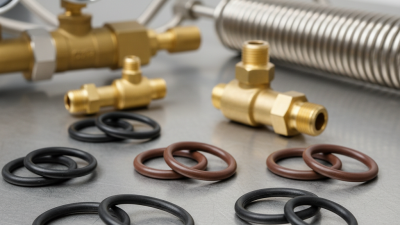
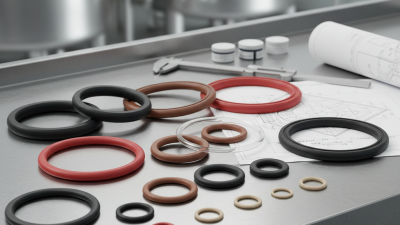
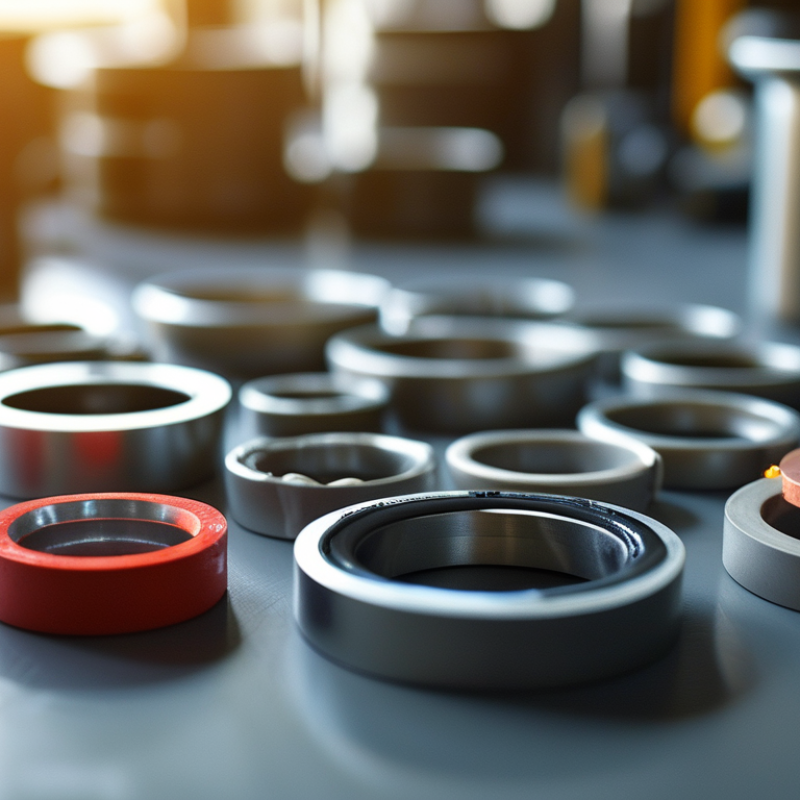
Gas O-rings are essential components in various applications, primarily as seals to prevent leaks. They are made from elastomeric materials, offering flexibility and resistance to different fluids. O-rings are commonly used in gas pipelines, automotive engines, and even household appliances. Their design enables them to create a seal in static and dynamic applications.
Choosing the right gas O-ring can be challenging. Materials vary greatly, affecting their performance. Common materials include nitrile, fluorocarbon, and silicone. Each has unique properties suited to specific environments. For instance, fluorocarbon O-rings resist high temperatures better than others, making them ideal for demanding applications. Yet, not all O-rings will fit every situation. Some may break down prematurely or fail under pressure.
Proper installation is critical for the O-ring's effectiveness. An improperly installed O-ring can lead to leaks, causing operational failures. It's often a trial-and-error process to find the best fit. Users must consider factors like compression and deformation. Getting assistance from professionals can save time and resources. Seeking expert guidance ensures the right choice, minimizing future issues.
Key Materials Used in Gas O Rings and Their Impact on Performance
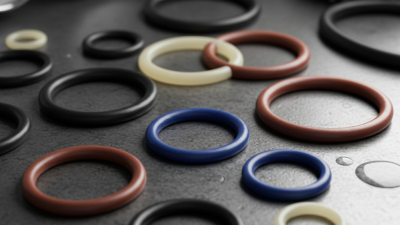
Gas O-rings play a crucial role in sealing applications across various industries. The material composition directly affects their performance and durability. Common materials include Nitrile, Fluoroelastomer, and Silicone.
Nitrile is widely used for its resistance to oil and fuel, essential for automotive and aerospace applications. Research indicates that Nitrile O-rings can withstand temperatures from -40°C to 120°C. However, they may degrade when exposed to certain chemicals.
Fluoroelastomers offer superior chemical resistance and can endure extreme temperatures. Studies suggest they maintain integrity in environments ranging from -20°C to 200°C. Despite their benefits, these O-rings can be brittle, particularly under stress. Their unique properties make them suitable for demanding applications like high-pressure systems.
Silicone O-rings are known for their flexibility and thermal stability. They can perform in a temperature range from -50°C to 230°C. This material choice, however, may lead to lower tensile strength. Therefore, understanding the material characteristics is essential for manufacturers. The right selection can enhance safety and productivity while minimizing risks and failures.
Factors to Consider When Choosing Quality Gas O Rings
When selecting gas O-rings, precise attention to detail is crucial. Material choice plays a pivotal role. Common materials include rubber, silicone, and fluoropolymer. Each material has unique properties, impacting temperature resistance and chemical compatibility. Understanding your application’s environment is essential. If high temperatures are involved, ensure the material can withstand those conditions.
Durability is another vital factor. Gas O-rings should resist degradation over time. Look for options that offer reliable performance under pressure. It’s important to check for certifications that validate durability. Sometimes, buyers overlook size. The right diameter and thickness are necessary for a proper seal. A slight deviation can lead to leaks and failures.
Installation is not always straightforward. Having the right tools and skills can greatly affect the outcome. Improper installation may cause O-rings to fail prematurely. Paying attention to the details during placement is key. Learning from mistakes can lead to better future purchases. Ultimately, being informed about these factors can help ensure a quality buy. This insight is vital for long-term success.
Top 10 Gas O Rings Buyers Need to Know for Quality Purchase
| Factor |
Description |
Material Types |
Temperature Resistance (°C) |
Pressure Rating (psi) |
| Material Compatibility |
Ensure the O-ring material is compatible with the gas it will seal. |
Nitrile, Viton, EPDM |
-40 to 150 |
5000 |
| Size and Dimensions |
Verify the size to ensure a proper seal and fit. |
Custom Sizes Available |
Varies |
Varies |
| Durometer Hardness |
Select the right hardness for the pressure and sealing environment. |
Shore A 60, 70 |
-30 to 120 |
3000 |
| Chemical Resistance |
Determine ability to resist chemicals present in gas. |
Viton, PTFE |
-20 to 200 |
6000 |
| Environmental Conditions |
Consider factors like humidity and exposure to elements. |
Silicone, EPDM |
-60 to 200 |
2000 |
| Compression Set |
Check how well the O-ring will maintain its shape under pressure. |
Nitrile, Neoprene |
-30 to 150 |
4000 |
| Manufacturing Standards |
Verify quality certifications like ISO for manufacturing. |
All Materials |
Varies |
Varies |
| Ease of Installation |
Choose O-rings that are easy to install and replace. |
Standard Sizes |
Varies |
Varies |
| Supplier Reputation |
Consider the reviews and reputation of the supplier. |
All Materials |
Varies |
Varies |
Common Mistakes Buyers Make When Purchasing Gas O Rings
When purchasing gas O rings, many buyers make critical mistakes. One common error is focusing solely on price. According to the Rubber Manufacturers Association, lower costs often correlate with reduced quality. Buyers may overlook the implications of using inferior materials. This can lead to premature failure and costly leaks.
Another frequent mistake is not considering the application environment. Gas O rings must withstand specific conditions like temperature and pressure. Research indicates that about 30% of seal failures occur due to environmental mismatches. Many buyers fail to consult specifications or ensure compatibility with their systems. Ignoring these factors can result in increased downtime and expensive repairs.
Additionally, lack of adequate testing often hinders quality assurance. A survey by a leading industry publication noted that nearly 25% of buyers do not perform proper inspections. This oversight leads to inconsistent quality and unreliable performance. Buyers must prioritize rigorous testing to ensure longevity and efficiency.
How to Properly Maintain and Store Gas O Rings for Longevity
Gas O rings are essential components in various machinery. Proper maintenance and storage can significantly enhance their lifespan. Here are some effective strategies.
Keep gas O rings in a cool, dry place, away from direct sunlight. Heat can degrade the material, leading to premature failure. Storing them in opaque containers can prevent exposure to UV rays. Regularly inspect them for any signs of wear or damage. Look for cracks or deformities, as these can affect performance.
When using gas O rings, ensure that surfaces are clean and free from debris. Contaminants can compromise sealing capabilities. Applying a thin layer of compatible lubricant may help in installation and increase their flexibility. However, avoid excessive lube; too much can attract dirt.
Tips: Always check the expiration date if available. Expired O rings may not provide adequate sealing. If unsure about storage conditions, consult with industry experts for best practices.