2026 Best Fuel Resistant O Rings for Ultimate Performance and Durability?
In the dynamic world of automotive and industrial applications, Fuel Resistant O Rings have emerged as critical components. With fuel systems evolving, the demand for robust sealing solutions has surged. Recent industry reports indicate that over 40% of mechanical failures stem from inadequate sealing mechanisms. Experts emphasize that high-quality Fuel Resistant O Rings can significantly enhance system durability.
Dr. Sarah Mitchell, a leading polymer scientist, notes, “The correct selection of Fuel Resistant O Rings can make or break a fuel system's performance.” This underscores the importance of material choice in achieving optimal performance. As industries face increasing regulatory demands and performance expectations, the right O Rings become indispensable.
However, not all Fuel Resistant O Rings are created equal. Variability in material properties and manufacturing processes can lead to underwhelming performance. It is crucial for engineers and manufacturers to scrutinize their choices carefully. Every detail counts in ensuring reliability. Investing in proven materials can mitigate risks and enhance overall system efficacy.
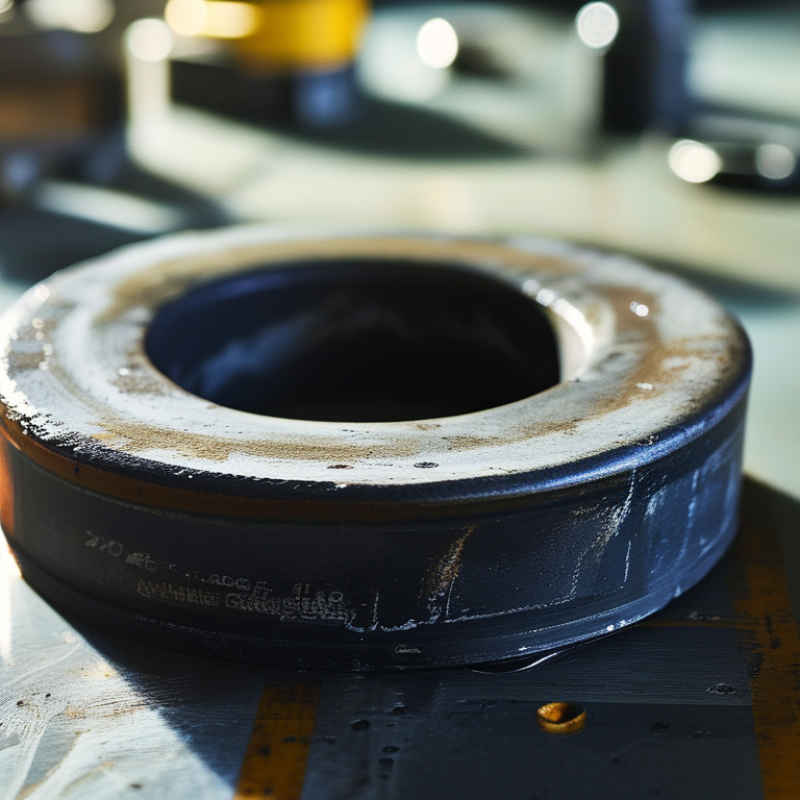
Understanding Fuel Resistant O Rings: What Makes Them Unique
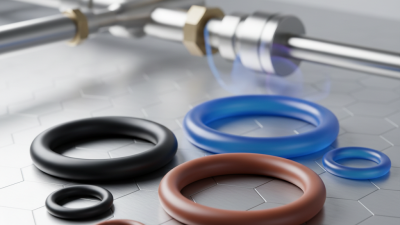
Fuel resistant O rings are essential in various applications, particularly in the automotive and aerospace industries. These rings are crafted from specific materials that can withstand fuel exposure. Common materials include nitrile rubber and fluorocarbon, both known for their resilience to fuel degradation. According to a recent industry report by the Rubber Manufacturers Association, nearly 30% of all equipment failures in fuel systems can be traced back to inadequate sealing solutions.
In the field of engineering, choosing the right O ring makes a significant difference. Unique properties such as temperature resistance, chemical compatibility, and mechanical strength set fuel resistant O rings apart. For instance, a fluorocarbon O ring can endure high temperatures while maintaining flexibility. This adaptability is crucial in preventing leaks and ensuring safety. Remember, a properly installed O ring can extend the life of your equipment significantly.
**Tip:** Always inspect seals for wear or damage during maintenance. Even minor imperfections can lead to major leaks.
Selecting the correct size and type is vital for performance. Many professionals overlook the importance of precise measurements. A small deviation can result in reduced effectiveness over time. Review material compatibility with the specific fluids used in your system.
**Tip:** Utilize calipers for accurate measurements. Taking time here pays off in the long run.
2026 Best Fuel Resistant O Rings Performance Comparison
Key Materials Used in Fuel Resistant O Rings for Enhanced Durability
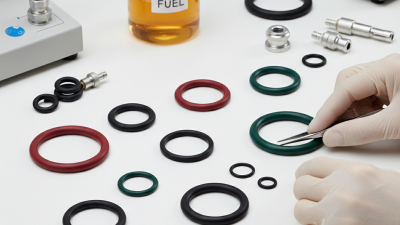
Fuel resistant O rings are essential for various applications, especially in automotive and industrial sectors. They must withstand exposure to fuel and other harsh chemicals. Selecting the right materials is critical for ensuring long-lasting performance and reliability.
Most fuel resistant O rings are made from materials like fluorocarbon and nitrile rubber. Fluorocarbon elastomers, known for their excellent chemical resistance, can endure temperatures ranging from -20°F to 400°F. Nitrile rubber, while less resistant to high temperatures, offers good tensile strength. Recent industry studies indicate that O rings made from these materials exhibit a failure rate of less than 5% over their intended lifespan.
However, not all fuel resistant materials are created equal. For instance, while fluorocarbon may resist chemical exposure, it may not perform well in extreme temperature fluctuations. This can lead to premature failure. Continuous research and testing are necessary to refine these materials and enhance their durability. Understanding the specific requirements of each application remains a challenge for manufacturers.
Applications of Fuel Resistant O Rings in Automotive and Industrial Sectors
Fuel resistant O rings are essential in various automotive and industrial applications. They are designed to withstand harsh chemicals and extreme temperatures. In the automotive sector, these O rings are used in fuel systems, ensuring seals remain intact despite varying pressures and fuel compositions. They help prevent leaks that can lead to performance issues and environmental hazards.
In industrial settings, fuel resistant O rings are critical in machinery that handles fuel or crude oil. They maintain integrity in pumps and valves, crucial for efficient operation. The materials used are carefully selected for their durability and resistance to degradation. This choice often reflects the specific demands of the application.
Yet, not all O rings are created equal. Variability in quality can lead to premature failure. This creates potential risks in safety and efficiency. Choosing the right O ring requires knowledge of the materials and their compatibility with specific fuels. Recognizing these challenges is essential for industries relying on these seals.
2026 Best Fuel Resistant O Rings for Ultimate Performance and Durability
| Material |
Temperature Range (°C) |
Durometer (Shore A) |
Chemical Resistance |
Applications |
| Nitrile (NBR) |
-30 to 100 |
70 |
Petrol, Diesel, Engine Oil |
Automotive Fuel Systems |
| Fluoroelastomer (FKM) |
-20 to 200 |
75 |
Fuel, Oil, Solvents |
Industrial Machinery |
| Polyurethane (AU) |
-30 to 80 |
90 |
Gasoline, Oils |
Hydraulic Applications |
| Silicone (VMQ) |
-60 to 200 |
60 |
Poor - Limited Fuel Resistance |
Low-Pressure Sealing |
| Ethylene Propylene (EPDM) |
-40 to 150 |
70 |
Water, Weak Acids |
Water Systems |
How to Choose the Best Fuel Resistant O Rings for Your Needs
Choosing the right fuel resistant O rings requires careful consideration of several factors.
First, understand the material.
Nitrile, fluorocarbon, and silicone are common options, each offering different properties.
Nitrile is durable and cost-effective, suitable for most fuels.
Fluorocarbon provides excellent chemical resistance but may come at a higher price.
Silicone offers flexibility but may not withstand all fuels.
When evaluating O rings, consider the size and thickness.
Proper dimensions ensure a tight seal, preventing leaks.
If the fit is too loose or tight, it may compromise performance. Measure accurately and consult technical specifications when possible.
Tips:
Ensure you assess the working temperature range also.
Varying temperatures can affect the material's durability. Regular inspections of O rings can help identify wear and tear early.
If you notice any cracks or deformities, it's time for a replacement.
Always have a few spares on hand to avoid downtime.
Remember, not every O ring will fit every application, so choose wisely based on your specific needs.
Maintenance Tips for Maximizing the Lifespan of Fuel Resistant O Rings
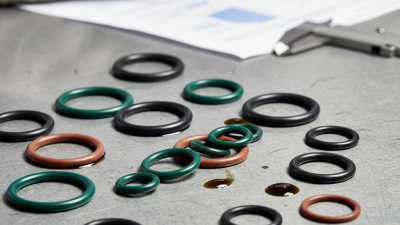
Proper maintenance is crucial for maximizing the lifespan of fuel-resistant O-rings. These components play a vital role in sealing applications across various industries. Regular inspection is key. Look for wear and tear, cracks, or discoloration. Even small visible signs can indicate deeper issues.
Keep the O-rings clean and free from debris. Contaminants can degrade their material, leading to premature failure. Use soft cloths for cleaning, avoiding harsh chemicals that may strip their protective properties. Additionally, regular lubrication can help reduce friction. Be mindful of the lubricant type; it should be compatible with the O-ring material.
Storage plays a significant role in their durability. Store O-rings away from direct sunlight and extreme temperatures. An ideal environment maintains stable humidity and temperature. Failing to store them properly can lead to deformation. Reflect on these maintenance practices regularly. Proper care can significantly enhance the performance and longevity of your fuel-resistant O-rings.