
Moken (Xiamen) Industrial Co., Ltd.
Leave Your Message

10 Essential Tips for Choosing Fuel Resistant O Rings?

Choosing the right Fuel Resistant O Rings is critical for various applications in the automotive and aerospace industries. According to a report by MarketsandMarkets, the global O-ring market is poised to reach $4.2 billion by 2025. Fuel-resistant materials are high in demand due to the increasing use of synthetic fuels and biofuels. Selecting the wrong O-ring can lead to failures, resulting in costly repairs and safety hazards.

Understanding the performance requirements of Fuel Resistant O Rings is essential. They must withstand extreme temperatures and corrosive fuels. In a study by ASTM International, over 30% of O-ring failures are linked to material incompatibility. Users must be aware that even minor changes in fuel composition can affect O-ring performance. Furthermore, sourcing from reputable manufacturers ensures product reliability.

Despite advancements in O-ring technology, mistakes are still common. Some professionals overlook compatibility testing. Others may settle for cheaper alternatives, compromising durability. It’s vital to research specific applications to avoid potential pitfalls. Consider factors such as pressure, temperature, and chemical exposure before making a selection. Proper knowledge and careful consideration will enhance performance and extend the life of Fuel Resistant O Rings.
10 Essential Tips for Choosing Fuel Resistant O Rings?

Understanding Fuel Resistant O Rings: Importance in Automotive Applications

10 Essential Tips for Choosing Fuel Resistant O Rings?

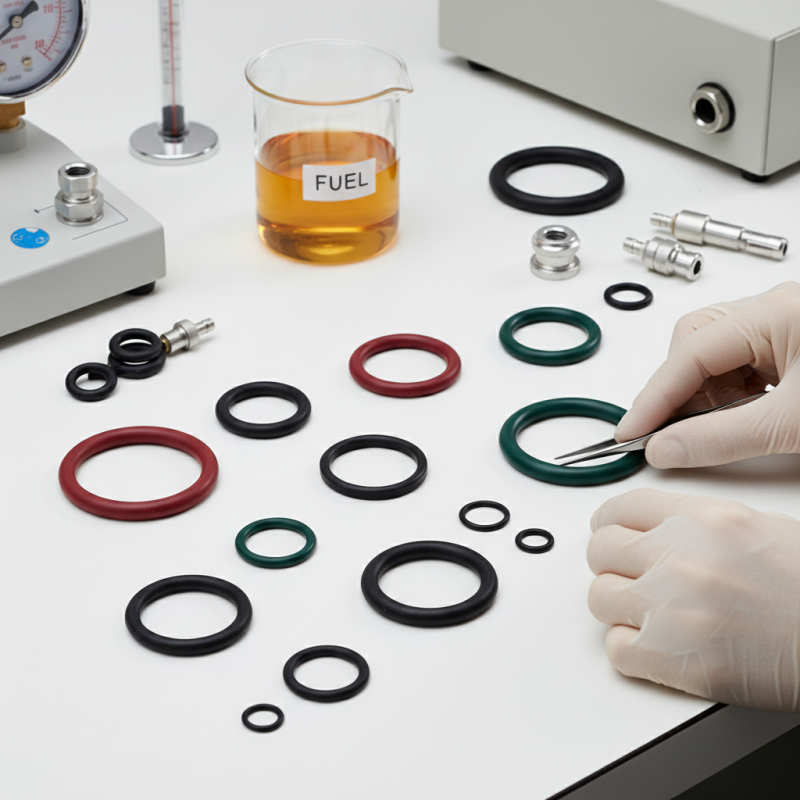
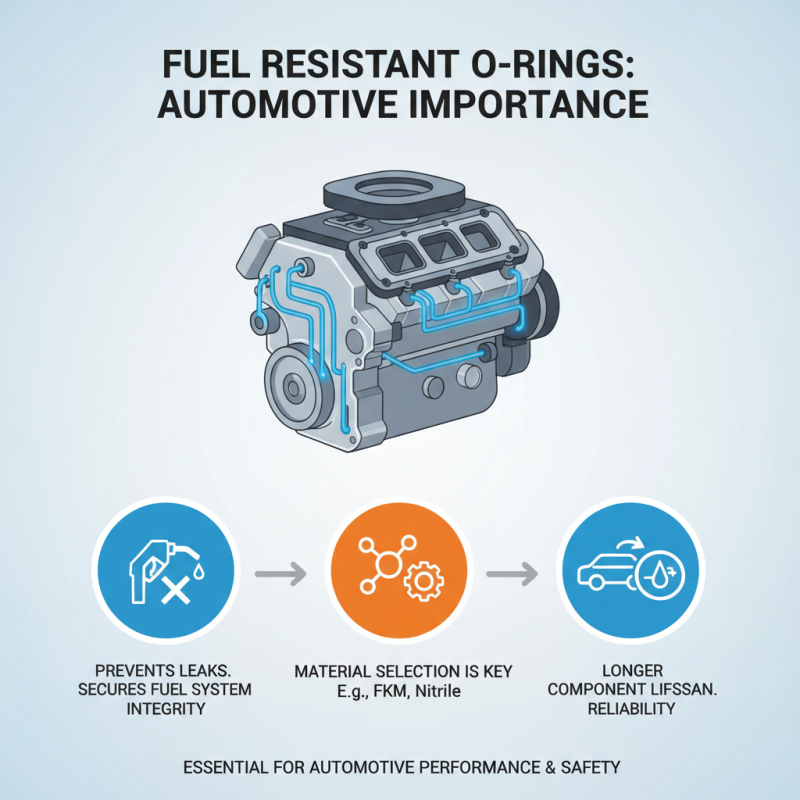
Fuel resistant O rings play a crucial role in automotive applications. They are essential for ensuring the integrity of fuel systems and preventing leaks. The material selection is key. Common materials include fluorocarbon and nitrile. These materials resist the degradation caused by fuel. This protection is vital for vehicle longevity and safety.

When choosing fuel resistant O rings, consider the temperature range. High-performance vehicles may expose O rings to extreme conditions. Verify the compatibility of the O ring material with the specific type of fuel used. This is critical for performance. Regularly inspect the O rings for signs of wear. Small cracks or discoloration can indicate failure.

Matching the size accurately is another vital factor. Even slight discrepancies can lead to leaks. Understand the specific requirements of your vehicle's make and model. In addition, consider how the O ring will be used. Dynamic applications may require different characteristics than static ones. Always prioritize quality over cost. Cheap options can lead to significant long-term issues, even if they seem attractive initially.
Key Materials for Fuel Resistant O Rings and Their Chemical Compatibility

When selecting fuel-resistant O-rings, understanding material compatibility is crucial. Common materials include Nitrile (Buna-N), Fluoroelastomer (FKM), and Ethylene Propylene Diene Monomer (EPDM). Nitrile is often favored due to its excellent resistance to petroleum fuels. Research shows it can withstand exposure to various hydrocarbons effectively. Industry data indicates that Nitrile maintains its integrity even under high pressure and temperature, making it a reliable option.

Fluoroelastomers, known for their superior chemical resistance, excel in aggressive environments. They endure a wide range of fuel compositions. Studies reveal that FKM O-rings can resist degradation from extreme temperatures up to 200°C. However, they can be more expensive. On the other hand, EPDM, while resistant to water and steam, lacks compatibility with certain fuels. This limitation can lead to premature failure if not properly assessed.

Chemical compatibility charts are essential tools in this selection process. These charts help predict how materials react with different fuels. However, misinterpreting these charts can result in costly mistakes. Regular testing and validation of O-ring materials are key steps in ensuring long-term performance. Ignoring these aspects can lead to failures in critical applications, emphasizing the importance of precise material selection.

Sizing Considerations: How to Measure O Rings for Perfect Fit

When choosing fuel-resistant O-rings, sizing is crucial. Accurate measurement ensures a perfect fit, preventing leaks and enhancing performance. To begin, you need a caliper for precise measurement. Measure the inner diameter (ID) and outer diameter (OD) of the O-ring. Often, discrepancies happen because users overlook the cross-section thickness. This thickness is vital for compatibility with your application.

Check the O-ring’s intended environment. Different fuels can affect material resilience. This may require adjustments in diameter for greater flexibility. Moreover, users often forget about temperature variations. Consider how temperatures can expand or contract materials. It’s hard to predict without practical testing. Ultimately, understanding these nuances helps in selecting the right O-ring. Measuring correctly is as important as selecting the right material. Sometimes, a slight miscalculation can lead to major leaks or system failures. Reflect on your choices, and take the time to ensure precise measurements.

10 Essential Tips for Choosing Fuel Resistant O Rings

Tip Number Tip Description Material Options Measurement Technique Common Applications
1 Select the right material based on fuel type. Nitrile, Fluoroelastomer Use a caliper for precise measurements. Automotive, Aerospace
2 Consider temperature tolerance of the O ring material. Silicone, PTFE Measure in the installation position to avoid stress. Fuel systems, Oil systems
3 Check for chemical compatibility with fuel. EPDM, HNBR Take multiple measurements at different points. Marine applications, Industrial systems
4 Evaluate the durometer to ensure softness or hardness meets requirements. Neoprene, Viton Use a hardness gauge for accurate readings. Fuel pumps, Tanks
5 Consider the cross-section shape and size. Round, square Gauge the inner and outer diameter correctly. Hydraulic systems, Compressors
6 Ensure proper groove dimensions for the O ring. Custom blends Check groove width and depth. Chemical processing, Petrochemical
7 Account for environmental conditions where the O ring will operate. Acid resistant materials Measure under similar conditions as the application. Chemical storage, Transportation
8 Consider the effects of aging and fatigue on O rings. Natural rubber, Synthetic rubber Standardize measurement intervals for consistency. Aerospace, Automotive
9 Select a reputable supplier with quality assurance. Commercial grades Validate supplier certifications. Manufacturing equipment, Process systems
10 Test samples under actual working conditions before full-scale use. Experimental compounds Conduct tests in the field. Real-world applications, Prototyping

Industry Standards: Recognizing Quality and Certifications for O Rings

When selecting fuel-resistant O rings, understanding industry standards is crucial. High-quality O rings must meet specific certifications to ensure reliability and safety. Look for products that adhere to ASTM or ISO standards. These organizations set benchmarks for materials and testing processes. Compliance indicates that an O ring has undergone rigorous assessments.

Quality certifications also play a significant role. An O ring with proper certifications guarantees its resistance to various fuels and chemicals. It should withstand extreme temperatures and pressures typical in critical applications. However, not all manufacturers provide transparent information regarding compliance and testing. This can lead to confusion.

Furthermore, examine the quality of the materials used. High-grade elastomers are essential for durability. They can prevent leaks and promote long-lasting performance. However, some manufacturers may cut corners, using inferior materials for cost-saving. This compromises performance and safety. Always verify the manufacturer's claims and seek third-party testing results to ensure reliability.

Maintenance Tips: Ensuring Longevity and Performance of Fuel Resistant O Rings

Fuel resistant O-rings are critical for ensuring a reliable seal in various applications. To maintain their longevity and performance, regular inspection is vital. Look for signs of wear or damage. Cracks, surface degradation, or loss of elasticity indicate that replacement may be necessary. Choosing the right materials can also influence performance. Make sure to verify compatibility with the specific fuels being used.

Storage conditions play a significant role in the lifespan of O-rings. Keep them in a cool, dark place to prevent premature aging. Avoid exposure to extreme temperatures or direct sunlight. When installing O-rings, proper lubrication is essential. This can help reduce friction and prevent damage during assembly. However, avoid using incompatible lubricants that might compromise their integrity.

Be aware of the operating conditions where O-rings will be used. High-pressure environments can lead to failure if not carefully monitored. Regular maintenance checks can catch issues early, saving time and money in the long run. Embrace a proactive approach. Identifying potential problems is key to ensuring optimal performance and durability of fuel resistant O-rings.