What Are the Top Rubber Components Manufacturers?
Choosing the top Rubber Components manufacturers requires more than counting factory size or annual sales. Buyers need evidence from demanding applications. A molded seal may sit beside a 180°C engine. A medical gasket may face repeated sterilization. A vibration mount must survive millions of load cycles. These details expose weak suppliers quickly.
Grand View Research estimated the global rubber market at approximately USD 46.6 billion in 2023. Its report also forecasts continued growth through 2030. MarketsandMarkets identifies automotive, industrial equipment, and healthcare as important demand areas. However, these reports measure the broader rubber market. They do not provide a perfect ranking of component manufacturers. That limitation matters.
James E. Mark, a respected polymer scientist and co-editor of Science and Technology of Rubber, described rubber as a material capable of “very large elastic deformations.” That characteristic creates both value and risk. Rubber Components manufacturers must control formulation, curing temperature, compression set, tensile strength, and contamination. Strong companies also provide traceability, laboratory testing, tooling support, and documented quality systems such as IATF 16949 or ISO 13485.
This guide compares leading manufacturers through those practical measures. It considers global reach, technical depth, application experience, and customer support. Price still matters. It should not dominate the decision. A low-cost seal that fails early can create downtime, recalls, or safety concerns. No ranking is universal. The best supplier for an automotive hose may not suit a cleanroom diaphragm. Readers should verify current certifications, test methods, production locations, and delivery performance before selecting a partner.
What Are Rubber Components and Where Are They Used?
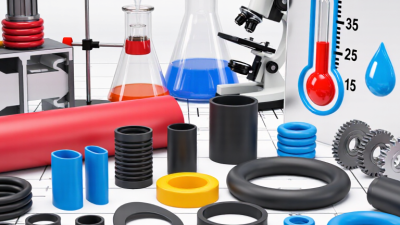
Rubber components are shaped parts that seal, absorb movement, reduce vibration, or guide fluid through equipment. Common examples include O-rings, gaskets, bushings, diaphragms, mounts, and flexible hoses. Their value often appears in small spaces, such as a pump joint or a vehicle suspension assembly.
Manufacturers produce these components from materials suited to specific conditions. EPDM handles weather and water well, while nitrile rubber performs effectively around many oils. Silicone remains flexible across broad temperature ranges. Material selection must consider pressure, heat, chemical contact, hardness, and compression set. A seal that fits perfectly may still fail after months of repeated loading.
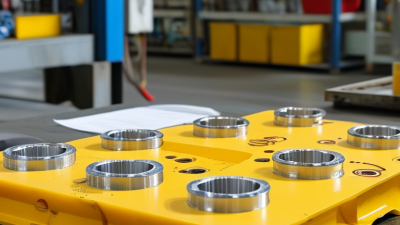
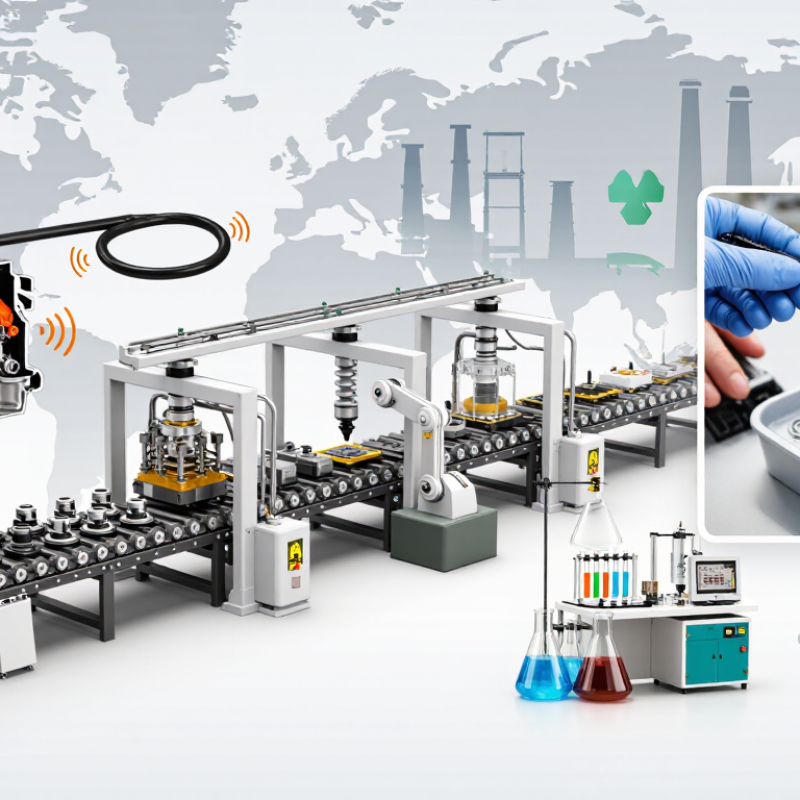
Rubber components support vehicles, industrial machines, plumbing systems, appliances, and medical equipment. In a factory, a small gasket can prevent leakage around a stainless-steel pipe. A rubber bushing can quiet metal contact beneath a moving platform. Flexible mounts protect sensitive instruments from vibration. The best manufacturers use controlled molding, clean tooling, dimensional inspection, and batch traceability. They also test tensile strength, elongation, aging, and sealing performance. These details matter.
However, specifications are not always as complete as they appear. Real equipment may face dust, unexpected heat, installation errors, or uneven pressure. A design proven in a laboratory can behave differently in the field. Engineers should review operating evidence, not rely on material names alone. Product drawings, test records, and application feedback provide more dependable guidance when selecting a rubber component.
Which Products Do Rubber Components Manufacturers Produce?
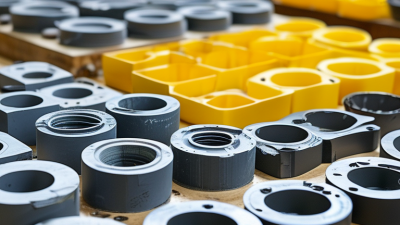
Rubber components manufacturers produce far more than simple sealing rings. Their product lines commonly include O-rings, gaskets, oil seals, diaphragms, bushings, grommets, and vibration mounts. They also manufacture hoses, belts, rollers, profiles, and custom-molded parts. Grand View Research reports that the global industrial rubber market was valued at approximately USD 42 billion in 2022. This demand reflects rubber’s role in vehicles, pumps, medical equipment, construction systems, and factory machinery.
Material selection changes the product’s performance. Nitrile rubber suits many oil-contact seals, while EPDM handles weather and hot water more effectively. Silicone supports broad temperature ranges and frequent medical applications. Fluoroelastomers provide stronger resistance to fuels and aggressive chemicals, although they often cost more. Manufacturers may use compression molding, transfer molding, injection molding, or extrusion. Each method affects dimensional accuracy, surface finish, and production volume.
Small details matter. An O-ring with the wrong hardness can leak under pressure. A hose may look sound but fail after repeated bending. ASTM and ISO test methods help manufacturers measure tensile strength, compression set, aging, and chemical resistance. Fortune Business Insights estimates the rubber market could reach about USD 66 billion by 2032, showing continued industrial demand. Still, market forecasts are not guarantees. Poor compound selection, inconsistent curing, or weak inspection can undermine an otherwise advanced component. In practice, reliable suppliers combine laboratory testing with real operating feedback.
Rubber Components: Common Elastomers and Typical Service Temperatures
Rubber component manufacturers commonly produce seals, O-rings, gaskets, hoses, diaphragms, vibration mounts, and molded profiles. The chart compares approximate continuous service-temperature ranges for widely used elastomers; actual limits depend on formulation, pressure, chemicals, and component design.
How Are Leading Rubber Components Manufacturers Evaluated?
Leading rubber components manufacturers are evaluated by evidence, not polished brochures. Buyers should examine material expertise, production control, testing capacity, and delivery history. A capable supplier can explain compound selection for heat, oil, pressure, ozone, and repeated movement.
Request samples from the same process used for mass production. Inspect sealing edges, surface finish, hardness, and dimensional consistency. Ask for test reports, calibration records, and batch traceability. Independent laboratory results add confidence, especially when components support safety-critical equipment. Factory visits can reveal practical details, such as clean storage areas, controlled mixing rooms, and properly maintained molds. I have found that small process gaps often create larger quality problems later.
Tips: Compare at least three suppliers using identical specifications. Check how quickly each team answers technical questions. Confirm inspection methods before approving samples. Do not judge quality from price alone. A low quotation may hide weaker testing or unstable materials.
Reliable manufacturers also show how they handle nonconforming parts. They should document root-cause analysis, corrective actions, and replacement procedures. Certifications can support evaluation, but they are not proof of perfect performance. No scorecard is perfect. Buyers should review real production data and remain willing to challenge assumptions. Even experienced teams sometimes overlook packaging, storage temperature, or installation conditions. Those details can change rubber performance before the component reaches service.
What Are the Top Rubber Components Manufacturers?
What Are the Top Rubber Components Manufacturers?
Top rubber components manufacturers are usually judged by engineering depth, production consistency, and proven field experience. The strongest suppliers design seals, gaskets, hoses, mounts, and vibration-control parts for demanding environments. They understand how heat, pressure, chemicals, friction, and weather affect rubber performance. This knowledge helps engineers choose suitable compounds, hardness levels, reinforcement layers, and molding methods.
Reliable manufacturers also maintain clear quality systems. They test dimensions, tensile strength, compression set, aging resistance, and surface defects during production. A capable supplier can provide material certificates, inspection records, sample approvals, and traceable batch information. These details matter when a component must fit precisely inside a pump, vehicle, valve, or industrial machine. Practical experience matters, too. A factory that reviews failed parts can improve tooling and prevent repeated defects.
Price alone is a weak measure. A cheaper gasket may deform early and increase maintenance costs. However, even respected manufacturers can make mistakes, especially when drawings are incomplete or operating conditions change. Buyers should request prototypes, confirm tolerances, and discuss real service temperatures before placing large orders. Supplier communication can reveal a great deal. Clear answers are useful. Vague promises are not. The best choice depends on technical support, testing ability, delivery reliability, and consistent performance in the intended application.
How Can Buyers Choose the Right Rubber Components Manufacturer?
How Can Buyers Choose the Right Rubber Components Manufacturer?
Choosing a rubber components manufacturer requires more than comparing unit prices. Buyers should examine material expertise, production controls, testing methods, and communication habits. Ask whether the supplier understands temperature, pressure, chemical exposure, and repeated movement in your application. A capable manufacturer should recommend suitable rubber compounds and explain their limits clearly. Vague answers deserve attention.
Request samples made with the intended compound and production process. Check dimensions, surface finish, hardness, compression recovery, and visible defects. Test the parts under realistic conditions, including heat cycles and contact with fluids. Review inspection records, material traceability, and relevant quality certifications. Auditable evidence matters more than polished presentations.
Look closely at tooling and process stability. Ask how the manufacturer controls mixing, molding, trimming, and final inspection. Confirm its capacity during peak demand, not only during a small trial order. Delivery promises should include practical details, such as lead times for replacement molds and corrective actions. Cost still matters, but the cheapest quotation may hide inconsistent tolerances or frequent rework.
Trust grows through evidence.
A factory visit or technical meeting can reveal useful details. Clean work areas, calibrated instruments, and organized records often indicate disciplined operations. However, appearances can mislead. Buyers should compare claims with test results and trial performance. I would also leave room for uncertainty, because even a strong supplier may struggle with an unfamiliar compound or sudden design change. Clear drawings, realistic specifications, and regular feedback reduce that risk.