Top 10 Rubber Gasket Washing Machine Suppliers Worldwide?
In the competitive world of household appliances, rubber gasket washing machines play a crucial role. These components, often overlooked, provide essential sealing and insulation. Without them, machines would fail to function effectively, leading to potential leaks and damage.
Selecting the right supplier is vital for ensuring longevity and performance. The market presents numerous options, but not all suppliers are created equal. Some offer superior quality and reliability, while others fall short. This can impact both the user experience and the machine's durability.
This article explores the top 10 suppliers worldwide for rubber gasket washing machines. It focuses on their strengths and market reputation. Each supplier has unique offerings that cater to different needs. Keeping quality and reliability in mind will guide consumers in making informed choices. Hence, let’s delve into the details and see which companies stand out in this essential sector.
Global Overview of Rubber Gasket Suppliers for Washing Machines
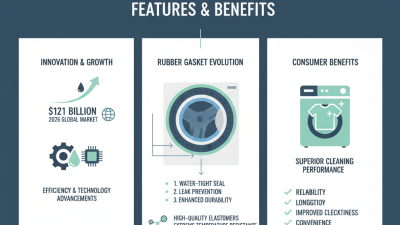
In the landscape of rubber gasket suppliers for washing machines, understanding global distribution is essential. Recent market reports indicate that the rubber gasket market is projected to grow significantly, with an anticipated CAGR of 4.5% from 2023 to 2028. This growth can be attributed to the rising demand for durable, weather-resistant materials in household appliances.
Geographic trends show that Europe and Asia dominate the manufacturing of rubber gaskets. Countries like Germany and China are key players, contributing to over 40% of the overall supply. The complexity of supply chains poses some challenges. Often, suppliers need to address quality inconsistencies. Reliable testing and adherence to international standards are crucial yet sometimes overlooked.
Additionally, sustainability is becoming a hot topic in the industry. Suppliers are expected to innovate, creating rubber gaskets that reduce environmental impact. Current studies reveal that only 10% of manufacturers actively pursue eco-friendly materials. This creates a dilemma—how can suppliers balance cost, performance, and environmental responsibility? As the market evolves, these questions will shape the future of rubber gasket production.
Criteria for Evaluating Washing Machine Gasket Suppliers
When evaluating washing machine gasket suppliers, several criteria are crucial. Experience in the industry often indicates reliability. Suppliers with years of operation likely have a refined understanding of materials and processes, leading to higher quality products. However, some newer companies offer innovative solutions worth considering.
Quality assurance is another key factor. Suppliers should demonstrate rigorous testing methods. Certifications from recognized bodies signal adherence to industry standards. Regular audits can reveal commitment to quality. Yet, not all suppliers maintain consistent quality, so multiple reviews are necessary.
Lastly, customer service must not be overlooked. Effective communication fosters better partnerships. Suppliers who respond promptly to inquiries show dedication. However, it’s essential to evaluate their long-term support as well. Some businesses may excel initially but falter in follow-up service. A balance between cost, quality, and support can lead to a satisfactory supplier relationship.
Top 10 Global Suppliers: Key Features and Products
In the global market for rubber gaskets, several key suppliers stand out. These companies typically lead due to their expertise and innovation in gasket technology. Their products are known for durability and efficiency. Many of these suppliers focus on specific applications to meet diverse customer needs in washing machines.
One common feature among these top suppliers is their commitment to quality control. They often implement strict testing protocols. This ensures that each gasket performs well under various conditions. Additionally, leading suppliers may offer customized solutions. This is important as washing machines have diverse designs and requirements.
Despite the advances, some challenges persist in the industry. For instance, the sourcing of raw materials can affect production timelines. Companies must also adapt to changing regulations and sustainability demands. Continuous improvement in manufacturing processes is essential for maintaining a competitive edge.
Market Trends in Rubber Gasket Manufacturing for Washing Machines
The rubber gasket manufacturing industry for washing machines is evolving. Recent trends show a shift towards sustainable materials. Manufacturers are experimenting with bio-based rubbers. This change reflects a growing environmental awareness among consumers. However, challenges remain in sourcing these materials at scale.
Quality control is increasingly important. Many suppliers face scrutiny over their production processes. Strict standards ensure that gaskets withstand wear and tear. Issues with durability can lead to customer dissatisfaction, prompting suppliers to rethink their methods. It's a delicate balance between cost and quality.
Technological advancements also shape the market. Automation increases efficiency in production. Yet, it raises questions about unemployment in the sector. While machines can produce gaskets faster, the human touch is often lost. Manufacturers must find a way to integrate technology without compromising craftsmanship. The future of rubber gasket production relies on innovation and responsibility.
Future Prospects for Rubber Gasket Suppliers in the Appliance Industry
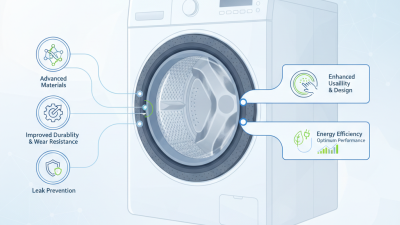
The appliance industry is evolving, demanding more efficient components. Rubber gaskets play a crucial role in washing machines. They ensure proper sealing and prevent leaks. As technology progresses, the need for high-quality rubber gaskets grows. This trend presents opportunities for suppliers who can adapt.
However, challenges remain. Suppliers must contend with fluctuating material costs and changing regulations. The pursuit of sustainability also impacts production methods. Many manufacturers are exploring eco-friendly materials. This shift requires innovation and investment in research. Suppliers that fail to embrace these changes risk falling behind.
The future outlook for rubber gasket suppliers hinges on reliability and consumer trust. Quality assurance is paramount. Suppliers must prove their expertise through certifications and industry knowledge. Building strong partnerships with manufacturers will be essential. In this competitive landscape, staying informed about market demands will be key to success.