Best Rubber Gasket for Washing Machines What to Consider?
Selecting the right rubber gasket for washing machines is crucial for optimal performance. Industry expert James T. Collins once stated, “A high-quality rubber gasket can significantly enhance a washing machine’s efficiency.” This insight underscores the importance of understanding how a rubber gasket, specifically designed for washing machines, can impact longevity and performance.
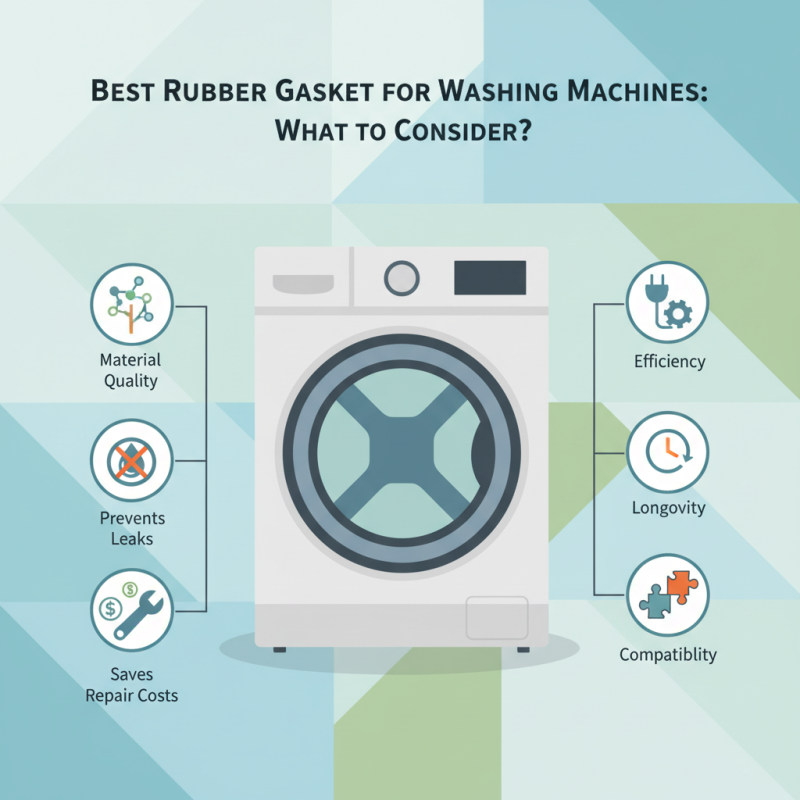
When considering a rubber gasket, various aspects come into play. Material quality is paramount. Some gaskets may wear out quickly, leading to leaks. A well-chosen rubber gasket can prevent such issues, saving time and repair costs. Additionally, compatibility with your washing machine’s model is essential. A mismatched gasket can lead to further complications.
It's easy to overlook the role of a rubber gasket in a washing machine. Many consumers focus more on visible parts. However, a sturdy and reliable rubber gasket is often the unsung hero of appliance efficiency. It’s vital to make informed choices. A little research on materials and designs can yield significant benefits in the long run.
Understanding the Role of Rubber Gaskets in Washing Machines
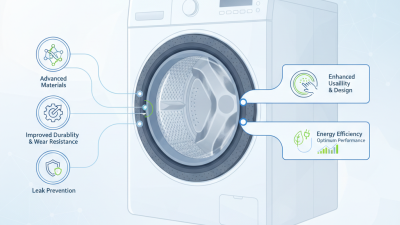
Rubber gaskets play a crucial role in washing machines, acting as seals that prevent leakage of water. These gaskets are typically found around the door or lid of the machine. Their primary function is to create a barrier that keeps water inside the drum during washing and spinning cycles. A well-functioning gasket also helps to minimize vibrations and noise, creating a more efficient wash process.
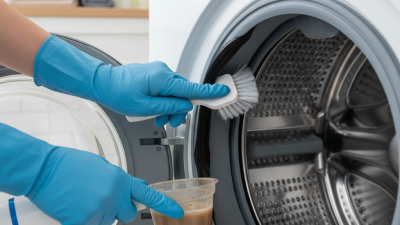
Over time, rubber gaskets can wear out or become damaged. Cracks, tears, or signs of mold may appear. These issues can lead to leaks, which may damage your floors or machine. Regular inspection of the gasket is necessary. You should look for any changes in texture or color. If the gasket feels brittle or sticky, it might need replacement. Using a gentle cleaner can help maintain the rubber’s integrity, but care is needed not to over-saturate the gasket during cleaning.
Choosing the best rubber gasket involves considering various factors like material quality and compatibility with your machine. An ideal gasket should be durable, flexible, and resistant to wear. You may also want to consult professionals or refer to user reviews to gauge reliability. Understanding the nuances of gaskets can enhance the longevity of your washing machine, ensuring it works efficiently for years.
Best Rubber Gasket for Washing Machines - Properties Comparison
Types of Rubber Gaskets Suitable for Different Washing Machine Models
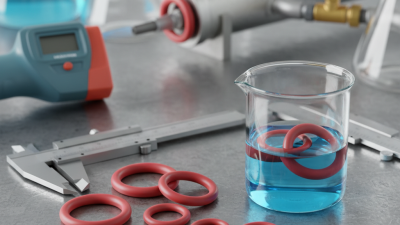
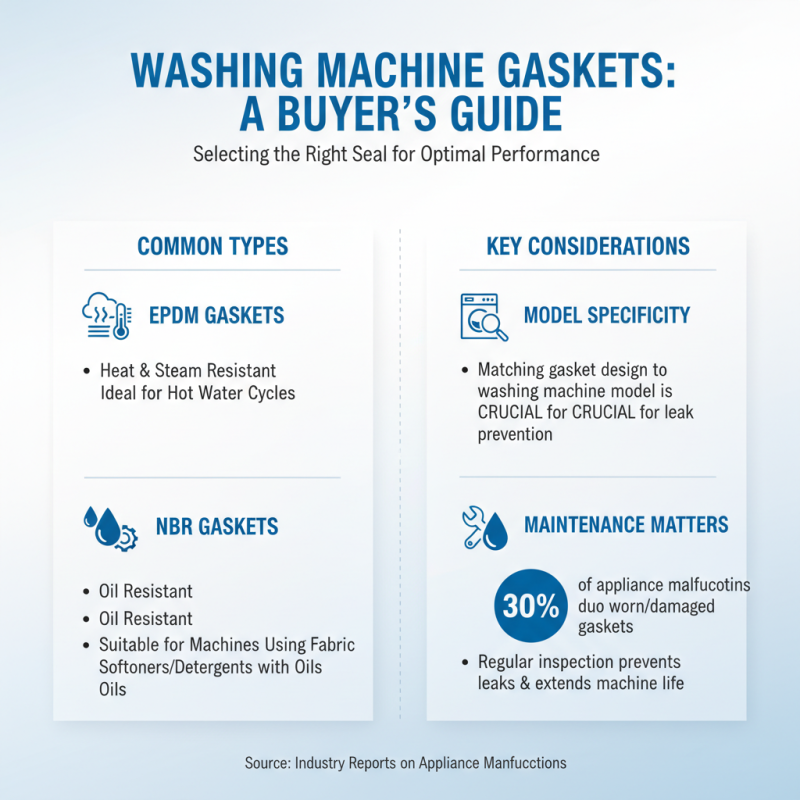
When selecting the best rubber gasket for a washing machine, it's crucial to understand the different types available. Various models require specific gasket designs to ensure optimal performance and leak prevention. Common materials include EPDM, which excels in heat and steam resistance, and NBR, known for its oil resistance. According to industry reports, nearly 30% of appliance malfunctions can be traced back to worn or damaged gaskets.
For front-load washing machines, thicker gaskets are typically recommended. This design helps create a tight seal that minimizes vibration and noise during operation. In contrast, top-load models may require more flexible gaskets to accommodate their unique structure. Understanding these distinctions is essential for maintaining the longevity of your appliance.
Tips: Always inspect the gasket regularly for signs of wear. A simple visual check can prevent more extensive damage. Consider the climate your machine operates in; extreme conditions may require specialized materials. Regular maintenance can extend the life of your rubber gasket significantly. Just remember, no gasket lasts forever, and refreshing it periodically is necessary.
Key Features to Look for in High-Quality Rubber Gaskets
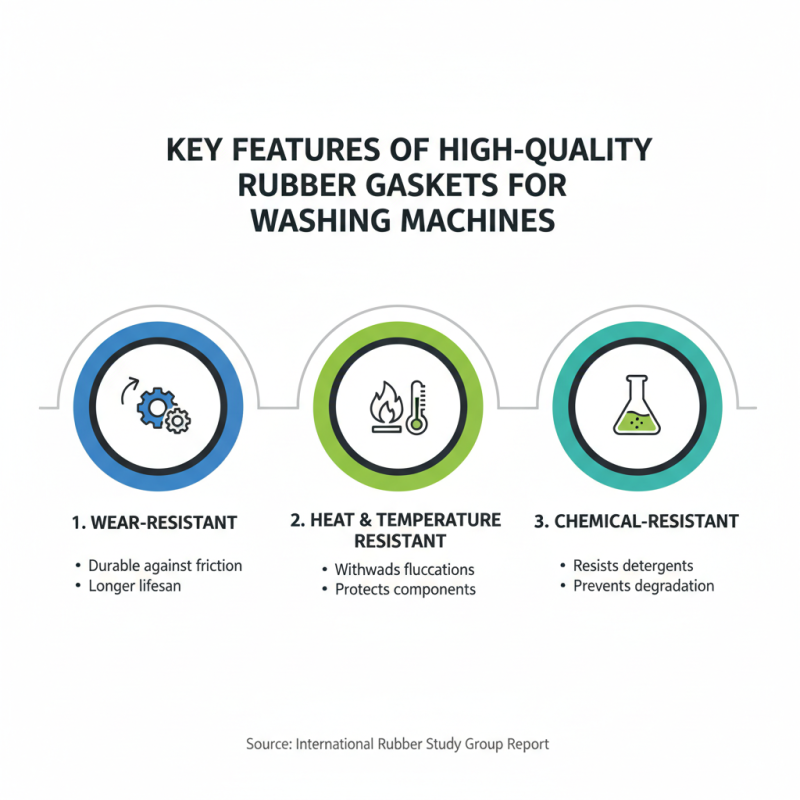
When choosing a rubber gasket for washing machines, it's vital to consider specific key features that ensure durability and efficiency. High-quality rubber gaskets should be resistant to wear, heat, and chemicals. According to a report by the International Rubber Study Group, gaskets that can withstand temperature fluctuations are essential in extending the lifespan of washing machine components.
Flexibility is another important characteristic. A well-designed gasket should easily conform to surfaces to prevent leaks. The material's durometer rating, which measures hardness, should ideally fall within the range of 60-70 Shore A for optimal performance. A study by the American Society for Testing and Materials highlights that the right hardness effectively balances resiliency and sealing ability.
**Tips:** Check for certifications that prove material quality. Seek gaskets made from EPDM or Nitrile rubber. They often provide superior sealing properties. Also, ensure they are easy to install. Problems arise when gaskets are difficult to fit, potentially leading to leaks.
Beware of the potential for wear and tear over time. Regular inspection is essential, as even high-quality gaskets can degrade. Look for signs of cracking or hardening. These indicate it's time for a change. Timely replacements can save on costly repairs down the line.
Installation Tips for Replacing Washing Machine Rubber Gaskets
Replacing the rubber gasket in a washing machine can seem daunting. However, when you understand the steps, the process becomes manageable. Start by unplugging the machine and turning off the water supply. This is crucial to avoid any leaks or electrical issues during installation.
Once everything is disconnected, carefully remove the old gasket. Look for any hidden screws or clips that may hold it in place. Take your time here; rushing can lead to mistakes. After removing it, inspect the surface. Ensure it is clean and free from debris. This helps the new gasket form a tight seal, which is vital for preventing water leaks.
When it comes to installing the new rubber gasket, alignment is key. Make sure it fits snugly around the drum. Check that the edges are evenly placed and securely seated. Sometimes, a little adjustment is needed for a perfect fit. Don’t hesitate to test the machine without clothes first. Observing how it performs can give you peace of mind. Remember, taking these steps carefully will lead to a successful installation.
Best Rubber Gasket for Washing Machines - What to Consider?
| Feature |
Consideration |
Installation Tips |
| Material |
Choose high-quality rubber for durability. |
Clean the area thoroughly before installation. |
| Size |
Ensure the correct dimensions for a proper fit. |
Use a tape measure to verify sizes before replacement. |
| Flexibility |
Opt for a gasket that maintains flexibility over time. |
Avoid over-stretching during installation to prevent damage. |
| Resistance to Chemicals |
Look for gaskets that resist detergents and cleaning agents. |
Handle solvents carefully to avoid degrading the material. |
| UV Resistance |
Consider UV-proof materials if exposed to sunlight. |
Keep the gasket away from direct sunlight during installation. |
Maintaining and Extending the Life of Rubber Gaskets in Washing Machines
Rubber gaskets play a crucial role in ensuring the efficiency of washing machines. Maintaining these gaskets can significantly extend their life span. Regular inspections are essential. The average rubber gasket can last for about 5 to 7 years, but neglect can reduce this to just 2 to 3 years. A 2022 industry report highlighted that 30% of washing machine failures are linked to gasket issues.
Cleaning the gaskets periodically is vital. Dirt and detergent buildup can lead to leaks. A damp cloth and mild soap can work wonders. According to a study by appliance maintenance experts, gaskets that are regularly cleaned show a remarkable 50% decrease in wear and tear. However, many users overlook this simple task, leading to preventable damages.
Environmental factors also impact rubber gaskets. Exposure to extreme temperatures can cause deterioration. The average household experiences these fluctuations daily. Industry surveys reveal that washers in humid areas have gaskets that degrade 20% faster. Addressing these issues requires both diligence and awareness. Regular checks can prevent significant costs in the long run. Ignoring them may lead to inconvenient breakdowns and costly replacements.