Top 10 Rubber Gasket Ring Manufacturers Worldwide?
Rubber Gasket Ring manufacturers now serve demanding sectors, including automotive, energy, water treatment, food processing, and industrial equipment. Their products may look simple, yet a thin gasket can prevent leaks, contamination, vibration damage, and costly shutdowns. Small part. Serious consequences.
Market research reflects this expanding role. Grand View Research identifies rising demand for rubber sealing products as industries pursue tighter leakage control and longer equipment life. Fortune Business Insights also reports continued growth in the global gasket and seal market, supported by vehicle production, infrastructure investment, and process automation. These reports offer useful direction, but market estimates vary. That uncertainty deserves attention.
Dr. Robert Flitney, a recognized sealing-technology author, emphasizes a practical principle: “A seal is a system, not merely a component.” Material selection, compression, surface finish, temperature, pressure, and installation all influence performance. A premium Rubber Gasket Ring can still fail inside a poorly designed joint. That is often overlooked.
This guide examines ten leading manufacturers worldwide through a practical industry lens. The comparison considers manufacturing scale, material expertise, quality systems, customization, testing capability, and sector experience. References to ISO 3601, ASTM D2000, IATF 16949, and relevant regulatory expectations help frame the evaluation. No ranking is permanently correct. Supplier performance can change by region, product line, and application. Buyers should verify certifications, traceability records, compound data, and sample results before making a final decision.
What Rubber Gasket Rings Are and Where They Are Used
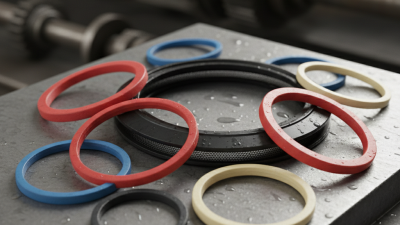
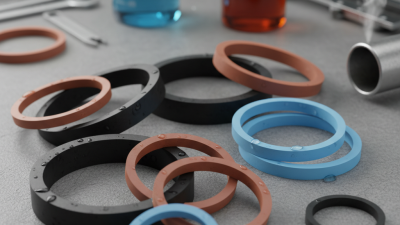
Rubber gasket rings are flexible sealing components designed to prevent leaks between two joined surfaces. They are commonly used in pipes, pumps, valves, engines, food-processing equipment, and hydraulic systems. Their circular shape creates pressure around a joint, blocking water, air, oil, or other fluids. Material choice matters. EPDM suits water and outdoor exposure, while nitrile rubber performs well with many oils. Silicone handles wide temperature changes, but it may not resist every chemical.
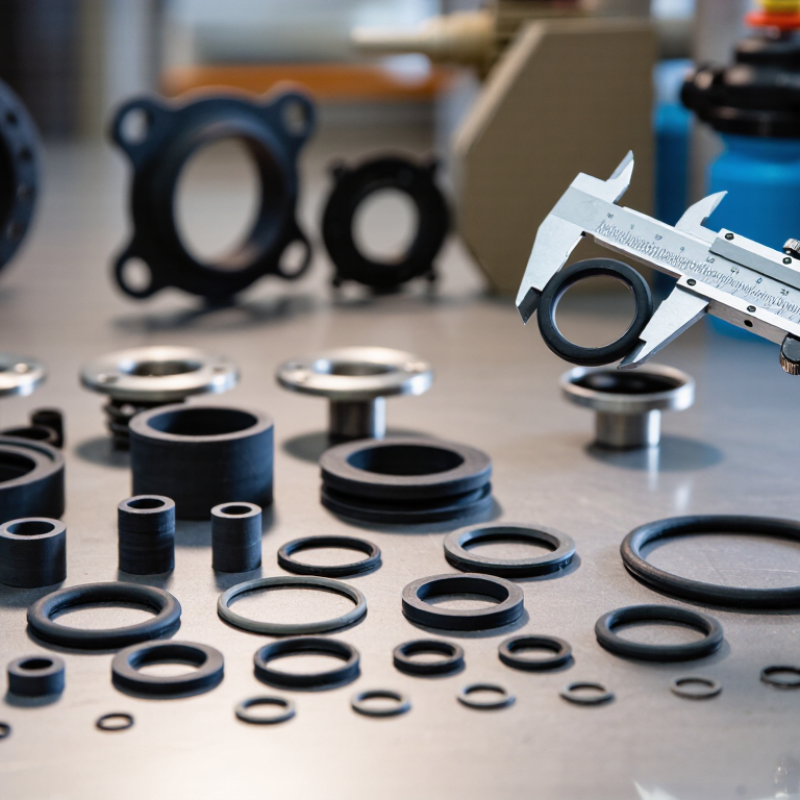
Manufacturers usually form gasket rings through molding, cutting, or precision extrusion. Experienced producers control hardness, dimensions, compression, and surface quality during inspection. A ring that looks acceptable can still fail if its inner diameter is slightly wrong. I have found that installation conditions often receive too little attention. Excessive tightening can damage the seal, while a rough flange can create a leakage path. Temperature, pressure, fluid type, and repeated movement should guide the specification.
Tips: Measure the groove carefully. Check the operating temperature and pressure. Confirm chemical compatibility before ordering. Store rings away from sunlight, ozone, heat, and sharp edges. A small amount of approved lubricant may support installation, but the wrong lubricant can cause swelling. Ask for material data, tolerance information, and inspection records from the supplier. One detail is easy to miss: replacement rings should match the original design, not merely the visible size.
Top 10 Rubber Gasket Ring Manufacturers Worldwide? — What Rubber Gasket Rings Are and Where They Are Used
Typical continuous service temperature ranges of widely used rubber gasket materials
Rubber gasket rings are flexible sealing components used to prevent the leakage of liquids and gases between mating surfaces. Material selection depends on temperature, chemical exposure, pressure, and the application environment. The ranges shown are representative continuous-service values; actual limits vary by compound, formulation, and sealing design.
Criteria for Evaluating Global Rubber Gasket Manufacturers
When evaluating the top 10 rubber gasket ring manufacturers worldwide, price should not lead the decision. Material control matters more. A reliable manufacturer identifies elastomer grades, hardness, temperature limits, and chemical resistance. Ask for current test reports, not general claims.
Production experience becomes visible in small details. Check mold consistency, flash removal, dimensional inspection, and packaging quality. A gasket should fit the flange without twisting or excessive force. Request samples from different production batches. Compare thickness, inner diameter, compression set, and surface defects. Small variations can cause large sealing problems.
Traceability is essential. Each batch should connect to raw material records, inspection results, and production dates. Auditable quality systems add confidence, but certificates alone prove little. Factory audits, process controls, and corrective-action records offer stronger evidence. Technical teams should explain failure analysis clearly. Vague answers deserve caution.
Environmental performance also requires careful review. Confirm resistance to heat, oil, water, pressure, and repeated cycling. Ask how the manufacturer handles rejected parts and production waste. Documentation should be readable and current. I have found that fast communication is useful, but it cannot replace test data. No supplier is perfect. Even experienced factories may show occasional defects, so transparent reporting matters. A thoughtful evaluation weighs capability, evidence, consistency, and long-term support.
How to Choose the Right Rubber Gasket Ring Manufacturer
Choosing the right rubber gasket ring manufacturer requires more than comparing prices on a supplier list. Start with your actual service conditions: fluid type, operating temperature, pressure, movement, and installation space. A gasket that works in a clean pump may fail quickly in an outdoor valve exposed to ozone and grit.
Ask each manufacturer for material data, hardness tolerance, compression set results, and temperature limits. Request samples made from the proposed compound, not a substitute. Check whether the supplier can read your drawing, control flash, and maintain consistent inner and outer diameters. Small dimensional errors can create leaks after assembly.
Traceability matters. Reliable manufacturers should identify raw material batches, production dates, inspection records, and test equipment. Their quality team should explain how they handle nonconforming parts. Clear answers are valuable. Evasive answers are a warning.
Review tooling ownership, minimum order quantities, replacement lead times, and technical support before signing an agreement. A low unit price can become expensive when a mold requires repeated corrections. I have seen attractive samples pass initial checks, then fail after heat aging because the wrong compound was selected. That mistake was preventable, but not obvious from a catalog.
Visit the production site when the application is critical. Observe mixing, molding, trimming, cleaning, and final inspection. Ask how operators prevent oil, dust, or mixed batches from contaminating the rings. Documentation may look perfect. The factory floor still tells the truth. Also consider communication during design changes; slow replies can delay testing, approval, and production.