Top 10 Tips for Choosing Silicone O Rings for Wholesale?
Choosing the right Silicone O Rings for wholesale can be a daunting task. With numerous options available, it's essential to understand some critical factors. The right choice can ensure product reliability and longevity.
Silicone O Rings are widely used in various industries. They are known for their excellent resistance to heat, chemicals, and aging. However, not all Silicone O Rings are created equal. Different applications may require specific properties, such as durometer or size. This complexity can lead to mistakes if not properly addressed.
Considering the importance of quality, it’s vital to procure from reputable suppliers. An expert opinion can provide valuable insights that help avoid costly errors. Often, the selection process can feel overwhelming. Reflecting on your specific needs and the potential pitfalls can lead to better decision-making.
Understanding the Basics of Silicone O Rings and Their Applications
Silicone O rings are vital in various industries, from automotive to food processing. They serve critical functions in sealing applications, preventing leaks, and ensuring reliability. Understanding their basic characteristics is key to choosing the right ones for your needs. Silicone offers excellent temperature resistance, maintaining functionality in extreme conditions. This makes them suitable for both high heat and refrigeration applications.
When selecting silicone O rings, consider the environment in which they will be used. Factors like temperature range, chemical exposure, and pressure levels are essential. For instance, a ring exposed to corrosive substances may require different properties than one used in a simple water seal. Additionally, pay attention to the O ring's hardness, measured in durometer. Soft rings can compress easily, while harder rings may be necessary for certain fittings.
It's easy to overlook the importance of size and fitting. An improperly sized O ring can lead to leaks, which might compromise systems. Experimenting with different manufacturers may reveal variances in quality. This aspect often goes unnoticed until issues arise. Always keep track of options and variations, as not every O ring will meet your standards for reliability and performance.
Factors to Consider When Selecting Silicone O Ring Materials for Wholesale
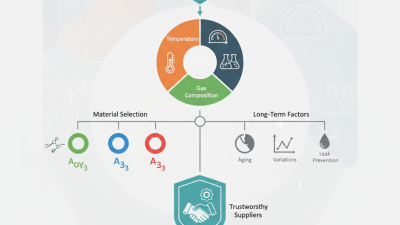
When selecting silicone O-ring materials for wholesale, factors such as
temperature resistance and
chemical compatibility are crucial. Silicone offers flexibility
with a temperature range from -60°C to 200°C. Consider the operational conditions your O-rings
will face. High-temperature applications require durable materials that won't degrade quickly. If the environment
involves chemical exposure, ensure the silicone can withstand these substances.
Another important aspect is the durometer rating, which measures hardness. O-rings are available
in various hardness levels, often ranging from 30 to 80 on the Shore A scale. Softer materials
provide better sealing, while harder ones support heavier loads. Testing different durometers in real-world
scenarios can lead to unexpected results. It may help to obtain samples or conduct trials to assess performance
under specific conditions.
Also, consider the environment where the O-rings will be used. Factors like humidity,
UV exposure, and pressure should influence your choice. Poor material selection
can lead to premature failures. Engaging with suppliers who understand these conditions is advisable. Their
expertise can guide you in making informed decisions. Don't underestimate the value of
thorough research and testing. It leads to
better product reliability and customer satisfaction.
Evaluating Size and Dimensions for Bulk Silicone O Ring Orders
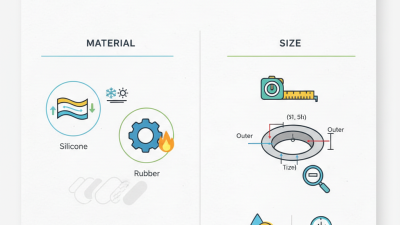
When selecting silicone O rings for wholesale, size and dimensions are crucial. Accurate measurements ensure effective sealing and compatibility with various applications. Be mindful of the inside diameter, outside diameter, and cross-section thickness. Miscalculating these can lead to operational failures.
Consider industry standards as a reference. They provide guidelines, but it’s essential to assess specific requirements for your project. Don’t rely solely on standard sizes; sometimes custom dimensions are necessary. Always verify the application’s pressure and temperature ranges, as these factors influence performance.
Evaluating multiple samples is beneficial. Changes in size may not seem significant but can impact functionality. Make use of precise measuring tools, as they offer better accuracy. If uncertain, seek expert advice. Remember, investing time now can prevent costly mistakes later.
Top 10 Tips for Choosing Silicone O Rings for Wholesale
| Tip Number |
Tip |
Importance |
Considerations |
| 1 |
Determine the correct size |
High |
Ensure proper fit in applications |
| 2 |
Select the right material type |
High |
Consider temperature and chemical exposure |
| 3 |
Evaluate hardness levels |
Medium |
Influences sealing performance |
| 4 |
Check for compliance standards |
High |
Certifications like FDA or ISO |
| 5 |
Consider the application environment |
Medium |
Exposure to pressure, heat or fluids |
| 6 |
Assess packaging options |
Low |
Impact on shipping costs |
| 7 |
Request samples before ordering |
Medium |
Test for compatibility |
| 8 |
Compare pricing from different suppliers |
Medium |
Look for bulk discounts |
| 9 |
Determine lead times for delivery |
High |
Timing can impact project schedules |
| 10 |
Review warranty and return policies |
Medium |
Protect investment against defects |
Assessing Quality Standards and Certifications for Silicone O Rings
When choosing silicone O rings for wholesale, quality standards and certifications are essential. Evaluating the materials used in the O rings can give insight into their durability and performance. Look for manufacturers that provide detailed information on their materials, as this reveals their commitment to quality.
Certifications play a crucial role. Check if the silicone O rings meet industry-specific certifications. These may include ISO certifications or FDA compliance for safety. These certifications demonstrate that the products have been tested and adhere to certain quality standards.
It's worth noting that not all manufacturers will have the same level of transparency. Some may provide limited information, which can be a red flag. Do your research to find reliable sources. Ask questions about their quality control processes. Testing the O rings for temperature resistance and chemical compatibility can also reveal potential weaknesses.
Top 10 Tips for Choosing Silicone O Rings for Wholesale
Navigating Wholesale Suppliers: Tips for Finding Reliable Sources
When selecting wholesale suppliers for silicone O rings, reliability is crucial. A 2022 market analysis indicated that about 30% of supply chain disruptions stem from unreliable sourcing. Research potential suppliers by reviewing their industry reputation. Look for online reviews and feedback from other customers. This can provide insights into their trustworthiness.
Consider certifications and quality standards. Suppliers who adhere to ISO 9001 show a commitment to quality management. A 2021 report highlighted that companies with verified quality management processes experience 20% fewer product returns. Request samples when possible. This helps assess the material and workmanship before placing large orders. Communication is key; responsive suppliers often showcase better service and reliability.
Evaluate the supplier's inventory levels. Those with robust inventory tend to ensure timely deliveries. A common oversight is underestimating lead times. Adequate planning can prevent production delays. Establishing a good relationship with suppliers promotes better pricing and support. Ultimately, due diligence will not only save costs but can enhance the overall buying experience.