5 Essential Tips for Choosing Fluorosilicone O Rings?
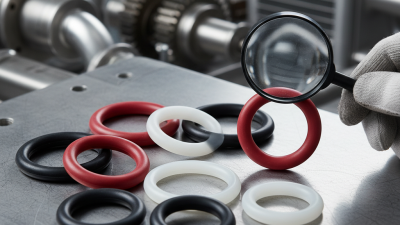
Choosing the right Fluorosilicone O Ring can significantly impact your project's success. These versatile seals are used in various applications, from aerospace to automotive. However, not all Fluorosilicone O Rings are created equal; specific qualities can make a difference.
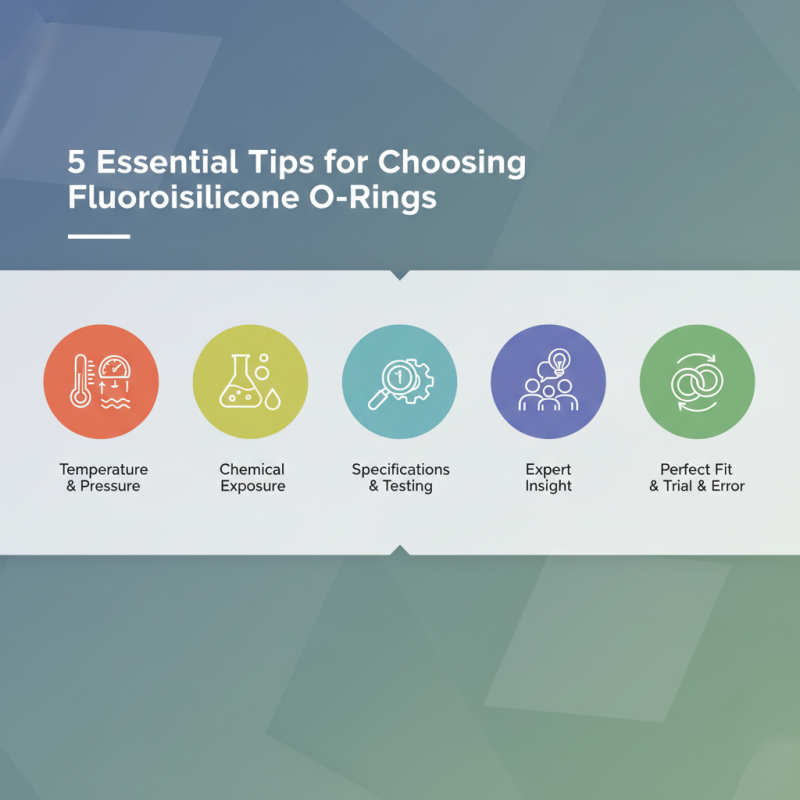
When selecting a Fluorosilicone O Ring, consider the environment it will be used in. Temperature, pressure, and chemical exposure are critical factors. You might find that some rings perform well under specific conditions but fail under others. Always research the specifications and test your selection if possible. Sometimes, even small variations can lead to failure.
Expert insight can help you make a better choice. Those experienced in the field can provide guidance on the best materials and designs. Don’t hesitate to seek advice from professionals. Ensuring a perfect fit may require some trial and error, but it is a crucial step. By carefully considering these elements, you can improve the reliability of your applications using Fluorosilicone O Rings.
Understanding Fluorosilicone O Rings and Their Applications
Fluorosilicone O rings are vital in various industries. They offer significant advantages over traditional materials. Their unique composition provides excellent resistance to fuel and chemicals. This makes them highly effective in aerospace and automotive sectors. Understanding their applications helps in making informed choices.
Choosing the right fluorosilicone O ring requires attention. Consider the environment where it will be used. High temperatures or harsh chemicals can affect performance. Additionally, the required size and thickness are crucial. These dimensions impact the seal's effectiveness. Users often overlook these factors, leading to leaks or failures.
Testing plays a critical role. Regularly inspecting O rings ensures reliability. However, many users may not perform adequate checks. This negligence can result in costly repairs. A well-informed selection, along with regular maintenance, ensures long-lasting performance. Making these small efforts can save significant headaches in the future.
Key Factors to Consider When Selecting Fluorosilicone O Rings
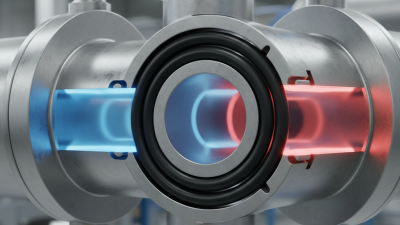
When selecting fluorosilicone O rings, it's crucial to keep key factors in mind. One important consideration is temperature resistance. Fluorosilicone O rings typically perform well in extreme temperatures, ranging from -40°C to 200°C. However, users must ensure that the specific application conditions match these specifications.
Another vital aspect is chemical compatibility. Fluorosilicone is known for its resistance to chemicals, including oils and fuels. According to a report by the Chemical Compatibility Database, fluorosilicone O rings can withstand exposure to a wide range of fuels, making them suitable for aerospace and automotive applications. Still, it's essential to verify compatibility with specific chemicals in your application.
Additionally, consider the durometer hardness. Fluorosilicone O rings come in different hardness levels, generally measured on the Shore A scale. A lower durometer may offer better sealing, while a higher durometer can improve strength. Balancing these properties can be challenging. It's not uncommon for users to overlook this aspect, leading to improper sealing and potential failure. Careful selection based on the application requirements will yield better results.
Evaluating Temperature and Chemical Resistance in O Ring Materials
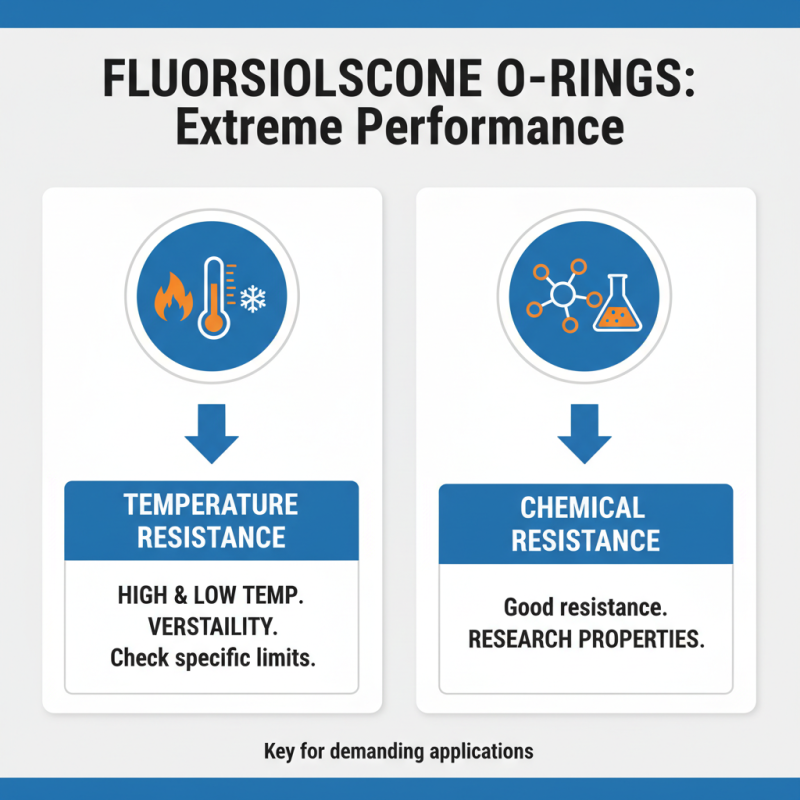
When choosing fluorosilicone O rings, understanding temperature and chemical resistance is vital. Fluorosilicone materials excel in environments with extreme temperatures. They can withstand both high and low temperatures, making them versatile for various applications. However, it is important to check specific temperature limits for your project. Selecting the right material means researching its properties diligently.
Chemical exposure can degrade O rings over time. Fluorosilicone offers an excellent balance of resistance to fuels, solvents, and oils. Still, it is crucial to evaluate the specific chemicals your O ring will encounter. Not all fluorosilicone O rings are created equal, and variations in formulations can affect resistance levels. This process sometimes reveals unexpected vulnerabilities.
Testing O rings in real-world conditions can provide invaluable insights. Laboratory tests may not entirely mimic actual use. Past experiences show that some materials perform better than expected, while others underperform. Engage with suppliers who can offer technical data and insights tailored to your needs. This collaboration can lead to more informed decisions, enhancing reliability in your application.
Sizing and Fit: Ensuring Proper Dimensions for Optimal Performance
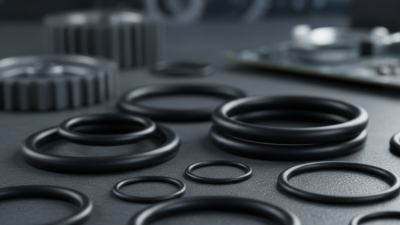
When selecting fluorosilicone O-rings, sizing and fit are critical for optimal performance. A mismatch in dimensions can lead to leaks and system failures. For example, the correct inner diameter and thickness must align with specified tolerances. Reports indicate that even a 1% deviation in size can reduce seal effectiveness by over 30%. This highlights the importance of precise measurements in industrial applications.
In practical terms, using calipers for measuring is vital. Ensure that you verify the O-ring's dimensions against industry standards. Factors such as temperature and pressure also influence how the O-ring fits. The material's characteristics can change under different operational conditions. It is essential to consult technical data sheets to understand how fluorosilicone behaves with various fluids.
Many users overlook the importance of re-evaluation during replacement. Old O-rings may compress or distort, leading to an inadequate fit. Understanding how different pressures affect the sealing surface can prevent potential failures. Stakeholders often face challenges in maintaining consistent performance. Regular audits of O-ring sizes can mitigate risks associated with poor fitting seals.