What is Oil Resistant O Rings and Why Are They Important?
Oil Resistant O Rings play a vital role in various industrial applications. These rings are designed specifically to handle exposure to oils and other fluids. According to a report from the International Rubber Study Group, the demand for oil-resistant materials has surged by over 25% in the past five years. This increasing need highlights their importance in preventing leaks and protecting machinery.
Expert in elastomer technology, Dr. Emily Vargas, states, "Oil Resistant O Rings are essential for maintaining the integrity of hydraulic systems." Her insights emphasize the critical function these rings serve. They not only enhance equipment lifespan but also reduce maintenance costs.
Despite their reliability, businesses sometimes underestimate the impact of substandard materials. Choosing the right type of oil-resistant O ring requires careful consideration of operating conditions. This underscores the need for continuous learning and adaptation in material selection. Understanding the specifications of Oil Resistant O Rings can ultimately lead to improved performance and safety in industrial settings.
What is an Oil Resistant O Ring?
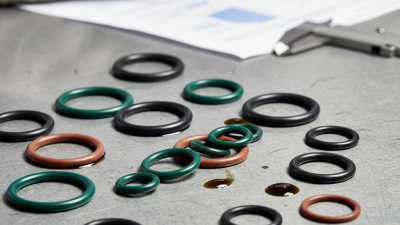
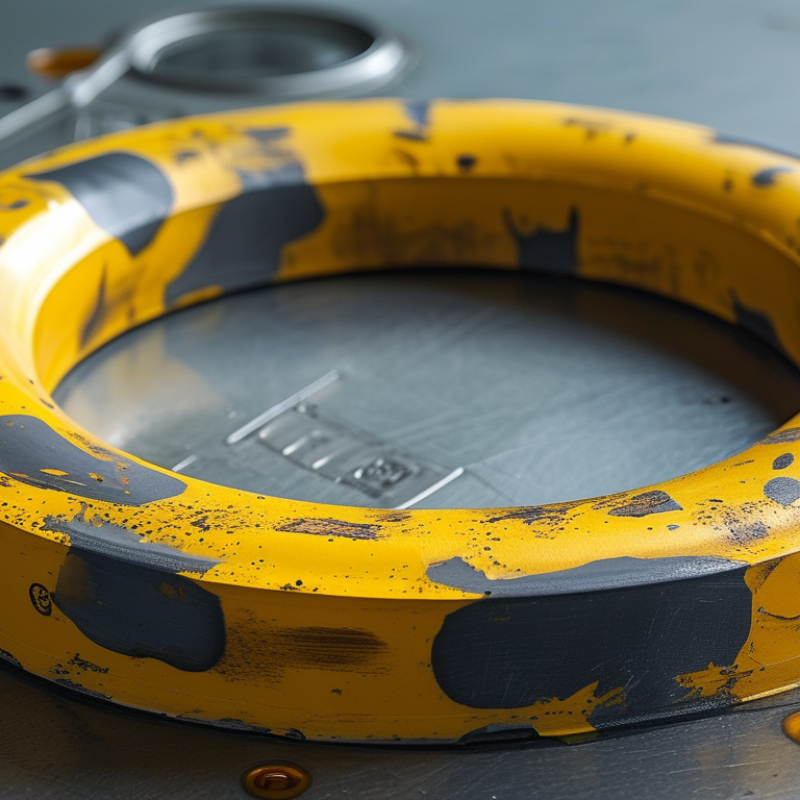
Oil-resistant O-rings are essential components in various mechanical applications. They serve as seals that prevent fluid leaks, especially in machines that handle oil or petroleum-based products. These rings are made from specialized materials that can withstand not only oil but also extreme temperatures and pressures.
When choosing an oil-resistant O-ring, material selection is crucial. Common materials include nitrile rubber and fluorocarbon compounds. These materials offer enhanced durability and flexibility. However, even the best O-rings can fail if not properly matched with their applications. Misalignment or improper sizing can lead to catastrophic leaks.
The importance of oil-resistant O-rings extends beyond just sealing; they also play a role in overall machinery performance. A small leak can lead to significant issues over time, including costly repairs and downtime. Understanding the specific requirements in your application is critical. Inadequately tested products may not meet expectations, so reliability must be prioritized for optimal functionality in oil-related environments.
The Composition and Materials of Oil Resistant O Rings
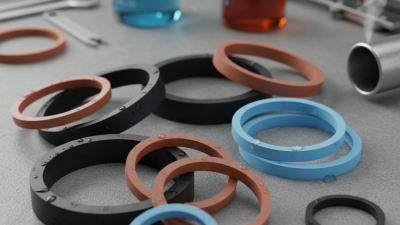
Oil resistant O-rings play a crucial role in sealing applications, especially in environments where petroleum-based products are present. The materials used in these O-rings are specially formulated to resist degradation caused by oil. Common materials include Nitrile (Buna-N) and Fluoroelastomers. Each material offers varying levels of resistance to temperature and chemicals.
Nitrile rubber is the most widely used option for oil resistance. It can handle a range of temperatures but might swell in some oils over time. Fluoroelastomers, on the other hand, perform exceptionally well under high temperatures and aggressive chemicals. However, they can be more costly and harder to source. Proper selection of material depends on the specific application and the type of oil present.
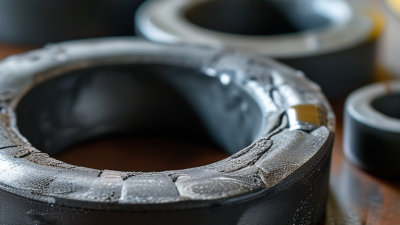
Despite the robust properties of these materials, it's essential to monitor O-ring performance. Issues like swelling, hardening, or cracking can occur over time. Regular checks ensure that seals remain effective. This attention prevents leaks and system failures, maintaining operational efficiency. It's always wise to consult with experts to determine the best material choice for each application.
Applications of Oil Resistant O Rings in Various Industries
Oil resistant O rings are critical components in various industries. They are designed to withstand exposure to different oils and lubricants. These O rings are made from specialized materials, which allow them to maintain their integrity in harsh environments.
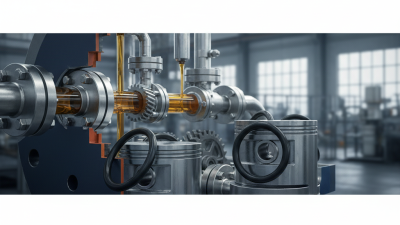
In the automotive sector, oil resistant O rings are essential. They are commonly used in engines and hydraulic systems. These rings prevent leaks that could lead to mechanical failure. A small leak can cause significant damage over time. Many manufacturers prioritize the use of high-quality O rings for this reason. However, not all O rings are created equal. Companies must assess their specific needs carefully.
The oil and gas industry relies heavily on oil resistant O rings. They ensure proper sealing in pipelines and equipment. Even minor issues can result in costly down times or environmental hazards. In the food industry, these O rings are crucial as well. They help maintain safety standards in machines that handle oils and fats. Regular maintenance and inspection of these O rings can prevent major incidents. It is vital to invest in the right materials for sustainability.
Applications of Oil Resistant O Rings in Various Industries
Benefits of Using Oil Resistant O Rings
Oil Resistant O Rings are vital components in various industries. They are designed to withstand exposure to oils and other lubricants. This unique property helps prevent leaks and ensures the efficient operation of machinery. Without these seals, equipment can suffer significant damage.
One major benefit of using Oil Resistant O Rings is their durability. They can maintain their elasticity and shape under high temperatures and pressure. This resilience reduces maintenance costs and extends equipment lifespan. Additionally, these O Rings provide a reliable sealing solution. They help avoid costly downtime caused by leaks or failures.
However, not all O Rings are created equal. Choosing the right material is critical. Some may find that their chosen O Ring fails under specific conditions. This could lead to unexpected challenges in operations. It's essential to assess each application carefully and make informed decisions. The right O Ring can contribute significantly to overall performance and reliability in machinery.
What is Oil Resistant O Rings and Why Are They Important? - Benefits of Using Oil Resistant O Rings
| Attribute |
Description |
| Material Types |
Nitrile (NBR), Fluoroelastomer (FKM), Silicone |
| Temperature Range |
-40°C to 200°C (-40°F to 392°F) |
| Chemical Resistance |
Highly resistant to oils, fuels, and various chemicals |
| Common Applications |
Automotive, machinery, hydraulic systems, and petroleum industries |
| Benefits |
Enhanced durability, reduced risk of leakage, improved performance |
| Lifespan |
Expected service life of 5 to 10 years depending on conditions |
Maintenance and Care for Oil Resistant O Rings
Oil resistant O rings play a crucial role in various industrial applications. They provide a reliable seal against oil contamination. Regular maintenance of these components is essential for optimal performance. Proper care can extend their lifespan significantly.
Cleaning O rings is fundamental. Use a soft cloth and gentle cleaner to remove grime. Inspect them regularly for signs of wear or damage. Look for cracks, swelling, or any discoloration. Avoid submerging them in harsh chemicals. This can degrade the material over time.
Tips: Store O rings in a cool, dry place. High temperatures can cause distortion. Rotate them in storage to prevent flat spots. Always replace O rings at the first sign of damage. Waiting too long can lead to more significant issues.
Routine inspections and maintenance are vital. Document any findings and actions taken. This builds a reliable history of the O rings' condition. Consistent attention will help ensure that these seals perform effectively, reducing the risk of leaks and failure in your machinery.