How to Choose the Right Propane Tank Rubber Gasket for Your Needs?
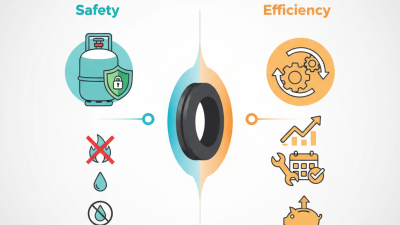
Choosing the right propane tank rubber gasket is crucial for safety and efficiency. These gaskets play a key role in ensuring a tight seal, preventing leaks. The right choice can significantly impact your overall propane system.
Consider the specific needs of your application. Different environments and propane usage levels may demand unique gasket materials. It's important to recognize that not all gaskets are created equal. Some may fail under pressure, leading to potential hazards.
Take time to research different options. Evaluate factors such as temperature resistance and chemical compatibility. This ensures your propane tank rubber gasket meets your needs effectively. Reflect on how improper selection could affect your system's performance and safety. The right decisions can lead to peace of mind and reliability in propane usage.
Understanding the Importance of Propane Tank Rubber Gaskets
Understanding the importance of propane tank rubber gaskets is crucial for maintaining safety and efficiency. These gaskets prevent leaks, which can lead to dangerous and costly situations. According to industry reports, approximately 20% of propane-related incidents are due to faulty seals, underscoring their significance.
Selecting the right gasket involves various factors, including material, size, and temperature tolerance. Commonly used materials include nitrile rubber and neoprene, which are known for their durability and resistance to harsh environments. Arecent survey indicated that over 70% of users who opt for higher-quality gaskets report improved performance and fewer occurrences of leaks.
It's also essential to consider maintenance practices. Regular inspections and timely replacements can prevent many issues. According to the National Fire Protection Association, proper sealing techniques could reduce risks by up to 30%. However, many users overlook these steps, which can lead to more serious problems down the line. Each choice made regarding gaskets can significantly impact safety and operational efficiency.
Propane Tank Rubber Gasket Types and Their Usage
Types of Rubber Gaskets Suitable for Propane Tanks
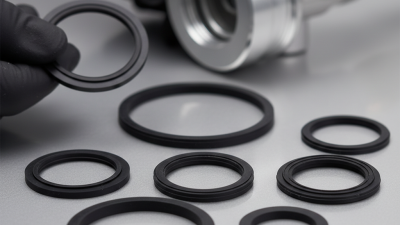
When selecting rubber gaskets for propane tanks, understanding the types available is crucial. Nitrile rubber is a popular choice. It offers excellent resistance to oil and fuel. Its durability makes it reliable for high-pressure applications. However, excessive exposure to sunlight can degrade nitrile rubber.
Another option is EPDM rubber. This type performs well in extreme temperatures. It is less affected by UV radiation, making it suitable for outdoor tanks. Despite its benefits, EPDM may not handle fuel exposure as well as nitrile. Users often overlook these factors, leading to premature gasket failures.
Silicone gaskets also appear on the market. They are highly versatile and temperature-resistant. Yet, they can be expensive and may not fit all propane tank specifications. It’s essential to assess your needs carefully before purchasing. Ultimately, selecting the right gasket involves weighing the pros and cons based on your specific situation.
Factors to Consider When Selecting a Rubber Gasket
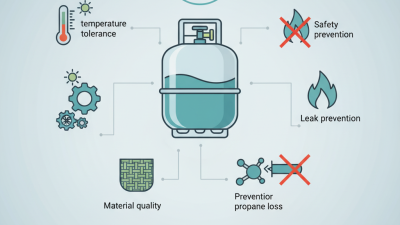
Choosing the right propane tank rubber gasket involves several crucial factors. One must consider the temperature and pressure a gasket can withstand. According to industry reports, many rubber gaskets can operate within a range of -30°F to 200°F. However, not all gaskets can maintain their integrity under extreme conditions. Always reference manufacturer specifications.
Another important aspect is the material composition of the gasket. Common materials include nitrile and EPDM rubber, each with unique properties. EPDM gaskets offer excellent resistance to ozone and UV exposure, making them suitable for outdoor uses. On the other hand, nitrile gaskets are ideal for high-pressure applications. Understanding these materials can significantly impact performance.
Contamination is a persistent issue in propane systems. Some gaskets may degrade when exposed to oils or chemicals. Regular inspections are crucial to prevent leaks. A 2022 study noted that nearly 15% of propane leaks were due to faulty gaskets and seals. Evaluating the expected lifespan of the gasket is essential. Selecting a gasket that meets industry standards helps mitigate risks in the long run.
How to Measure for a Properly Fitting Gasket
When selecting the right rubber gasket for your propane tank, precise measurement is crucial. Start by carefully inspecting the current gasket, if available. This will provide a reference point. Use a ruler or caliper to measure the diameter. A small discrepancy can lead to leaks or poor fitting.
Next, measure the groove where the gasket sits. This is typically found around the tank valve area. It’s essential to know both the width and depth of this groove. Ideally, the gasket should fit snugly without excessive force. Too tight? It may cause damage. Too loose? Leaks might occur.
Pay attention to the thickness of the gasket as well. A thicker gasket may provide a better seal but could be incompatible with existing hardware. Reflect on the material quality, too. Consider factors like weather and temperature resistance. A durable gasket will endure various conditions, enhancing safety. If measurements seem unclear, double-check. Taking the time to ensure accuracy now can save you from costly mistakes later.
Maintaining Your Propane Tank Gasket for Longevity
Maintaining your propane tank gasket is crucial for safety and longevity. A poorly maintained gasket can lead to leaks,
reducing efficiency and posing hazards. Data shows that regular inspections and replacements can extend the gasket life by 25% or more.
This means less downtime and better performance for your propane system.
To ensure longevity, keep the gasket clean and properly lubricated. A study highlighted that 70% of gasket failures are due to dirt and foreign particles.
Regularly check for signs of wear or cracking. Even small imperfections can lead to bigger issues. Remember, a minor leak can create serious safety risks. It's essential to address any
signs of degradation immediately.
Temperature fluctuations can affect gasket integrity too. Extreme heat or cold may cause the material to expand or contract. Know your local environment
and adjust maintenance routines accordingly. Experts recommend a visual inspection every six months. This proactive approach can prevent serious problems down the line.
It's often overlooked, but paying attention to details ensures the safety and efficiency of your propane system.