What is a Propane Tank Rubber Gasket and How to Choose One?
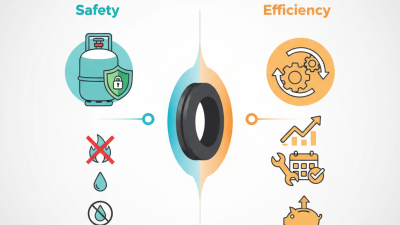
In the propane industry, the role of a Propane Tank Rubber Gasket is often overlooked. This component plays a critical part in ensuring the safe and efficient operation of propane tanks. According to a recent report by the National Propane Gas Association, nearly 20% of propane leaks are attributed to inadequate gaskets. This statistic highlights the importance of selecting the right rubber gasket for your propane tank.
Expert Mark Anderson, a respected figure in the field, emphasizes, “A reliable gasket can make all the difference in safety and performance.” His insight reflects the need for careful consideration when choosing a propane tank rubber gasket. Factors like material durability, temperature resistance, and compatibility with various propane mixtures must be evaluated.
Despite the clarity provided by industry standards, many still grapple with misinformation. Some assume one size fits all, leading to potential hazards. Prioritizing the right gasket ensures leaks are minimized, extending the lifespan of tanks. Adopting an informed approach is key to navigating this often-neglected component.

What is a Propane Tank Rubber Gasket?
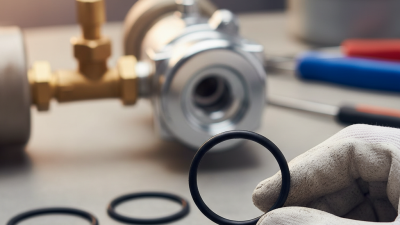
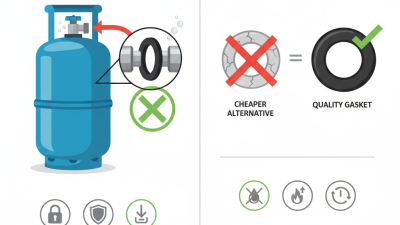
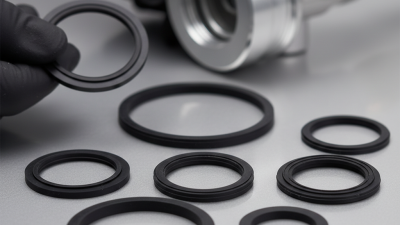
A propane tank rubber gasket is a crucial component in propane systems. It functions as a seal between the tank and its accessories, such as regulators and hoses. The primary purpose of a rubber gasket is to prevent leaks. A secure fit ensures safety when using propane. Without it, even a small gap can lead to hazardous situations. Choosing the right gasket is essential for optimal performance.
When selecting a rubber gasket, consider its material quality. The best gaskets resist wear and withstand temperature fluctuations. Look for gaskets made of durable rubber, which can endure exposure to gases and chemicals. The size is another key factor. A proper fit ensures it seals well without being overly tight. Inspect gaskets regularly for signs of wear or damage. A worn gasket can create problems that are easily overlooked but critical to safety.
Some users may feel overwhelmed by the options available. It is easy to choose a gasket that looks good but doesn't perform well. Researching and consulting professionals can provide clarity. Remember, specific applications may require unique gasket properties. Taking time to select the right propane tank rubber gasket can help ensure a safe and efficient propane system.
Propane Tank Rubber Gasket Durability Comparison
This bar chart illustrates the durability of various types of rubber gaskets commonly used for propane tanks. As shown, silicone rubber has the longest expected lifespan, followed by EPDM, Neoprene, and Nitrile rubber.
The Importance of Rubber Gaskets in Propane Tank Applications
Rubber gaskets play a crucial role in propane tank applications. These gaskets provide a reliable seal that ensures the safe containment of propane gas. Their primary function is to prevent leaks, which can lead to serious safety hazards. A quality rubber gasket minimizes risks associated with gas escape. It is vital to choose the right gasket material and design to match specific requirements.
When selecting a rubber gasket, consider the physical and chemical properties. The gasket should withstand temperature fluctuations and exposure to propane. Look for gaskets that offer excellent compression set resistance and elasticity. The thickness and diameter also matter. A snug fit is essential to create a secure seal. Compatibility with the propane tank material is a key point as well.
While rubber gaskets are generally reliable, they are not infallible. Improper installation can compromise their effectiveness. Additionally, wear and tear over time can diminish their sealing capabilities. Regular inspections and maintenance are necessary to ensure these gaskets function properly. Recognizing potential weaknesses, such as aging material, can prevent failures. This proactive approach to gasket management fosters safe propane usage.
Key Specifications to Consider When Choosing a Propane Tank Gasket
Choosing the right propane tank rubber gasket is essential for safe and efficient operation. When looking for a gasket, several specifications should be considered. Material type is crucial. Gaskets are often made from synthetic rubber or foam. Each material has its advantages in terms of temperature resistance and durability.
Thickness is another important factor. Thicker gaskets may provide better sealing. However, they can also make installation challenging. A balance between thickness and ease of fitting is necessary. Pay attention to the size as well. A gasket that is too large or small can cause leaks. Proper measurements are vital for a secure fit.
Temperature rating is significant too. Different gaskets can withstand varying temperature ranges. Ensure the gasket can handle the propane tank's operating temperatures. It's important to consider the environment where the tank will be used. Outdoor elements may degrade some materials faster than others. Opt for a gasket that matches your specific conditions for best performance. Choosing wisely can prevent costly repairs and enhance safety.
Common Materials Used for Propane Tank Rubber Gaskets
When selecting a propane tank rubber gasket, understanding the materials used is crucial for safety and functionality. Common options include neoprene, EPDM, and silicone. Neoprene gaskets offer great resistance to oil and ozone. This makes them suitable for outdoor applications.
EPDM is popular for its ability to withstand extreme temperatures. Studies show that EPDM gaskets can last over 10 years with proper maintenance.
Silicone gaskets, while flexible, tend to be more expensive. They excel in high-temperature environments. However, they may not resist all chemicals as effectively as neoprene or EPDM. The choice often depends on the specific application and environmental conditions. It's essential to assess the potential wear factors and long-term durability.
Choosing the right gasket also involves considering the manufacturer's reliability. Industry reports indicate that improper gasket selection can lead to leaks, leading to hazardous situations. Evaluating certifications and performance data from trusted sources can guide your decision. Each material has its pros and cons, highlighting the importance of careful selection.
Industry Standards and Certifications for Propane Gaskets
When selecting propane tank rubber gaskets, it's essential to consider industry standards and certifications. These guidelines ensure safety and reliability. Gaskets are critical for preventing leaks. A proper seal can reduce risk in residential and commercial settings.
Look for gaskets that meet specific standards like ASTM or ISO certifications. These indicate that the products have been tested for durability and heat resistance. In the propane industry, compliance with ASTM D2000 is a good benchmark. It outlines requirements for rubber materials used in gaskets. Always check for these marks on product packaging.
It’s important to remember that not all gaskets are created equal. Variations in material and design can affect performance. Some users report issues with fitment or degradation over time. Regular inspections are crucial. Keeping track of wear can help prevent accidents. Consider consulting with experts who can provide insights on your specific use case.