Top Uses of Small O Rings in Various Industries and Applications?
Small O Rings are essential components in various industries. They serve a vital role in providing sealing solutions across multiple applications. Their small size belies their significant impact on performance and reliability.
In sectors such as automotive, aerospace, and medical devices, Small O Rings ensure optimal functionality. They provide leak-proof seals that prevent fluid and gas leaks. In the automotive industry, these rings are often used in engines and fuel systems. In the medical field, they contribute to the safety of devices that require precise sealing.
Despite their widespread use, challenges exist. Selecting the wrong material or size can lead to failures. This underscores the need for expertise in choosing the right Small O Rings. The right choice can mean the difference between success and costly mistakes. Understanding the unique applications and requirements is crucial for optimal performance.
Key Characteristics of Small O Rings for Industrial Use
Small O rings are essential components across multiple industries. Their versatility is rooted in specific characteristics. These rings are typically made from elastomers, which provide flexibility and durability. They can withstand heat, chemicals, and pressure, ensuring reliable performance in sealing applications.
The size and design of small O rings allow them to fit into tight spaces. This feature is crucial in automotive and aerospace applications. In these industries, precision is vital. Any failure in seal integrity can lead to significant challenges. Furthermore, small O rings often require minimal maintenance, which is a valuable trait for industries where uptime is critical.
Despite their effectiveness, challenges remain. Small O rings can degrade over time, especially under extreme conditions. This makes regular inspection necessary to ensure reliability. Manufacturers must consider these characteristics when selecting O rings for specific applications. A careful balance between material choice and environmental factors is essential.
Common Materials Used in Small O Rings Across Different Industries
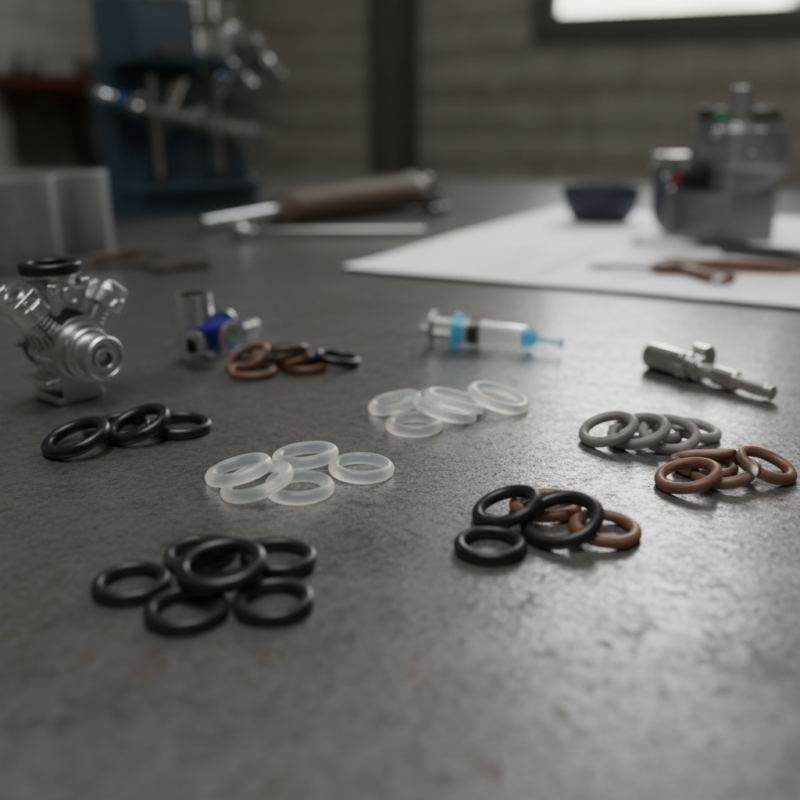
The selection of materials for small O rings is crucial across different industries. Common choices include rubber, silicone, and polyurethane. Rubber is popular for its elasticity and flexibility, making it ideal for sealing applications in automotive and aerospace sectors. Its durability in various temperature ranges ensures reliable performance.
Silicone O rings are favored for their resistance to extreme temperatures and chemicals. They excel in applications like medical devices and food processing. Their ability to maintain integrity in harsh environments enhances safety and reliability. Polyurethane offers high abrasion resistance and is often used in hydraulic and pneumatic systems.
While these materials are effective, it's vital to consider their limitations. For instance, rubber may degrade when exposed to certain chemicals. Silicone, despite its high-performance traits, can be costly. Balancing cost and performance is an ongoing challenge. Ensuring the right material choice often requires practical experience and knowledge of specific applications. Using inadequate materials can lead to failures, affecting operational integrity.
Top Uses of Small O Rings in Various Industries and Applications
| Industry |
Common Applications |
Materials |
| Automotive |
Sealing various components like pumps and valves |
Nitrile Rubber (NBR), Fluoroelastomer (FKM) |
| Aerospace |
Sealing fuel and hydraulic systems |
Silicone, Ethylene Propylene Diene Monomer (EPDM) |
| Medical Devices |
Sealing in syringes and pumps |
Medical grade Silicone, Nitrile |
| Food Processing |
Sealing food containers and machinery |
FDA-approved Silicone, EPDM |
| Electronics |
Waterproofing electronic enclosures |
Neoprene, Viton |
Application of Small O Rings in Automotive and Aerospace Industries
Small O rings play a crucial role in the automotive and aerospace industries. These tiny components are essential for sealing and preventing leaks. Their applications range from fuel systems to hydraulic systems. According to a study by the Aerospace Industries Association, O rings are critical for ensuring safety and reliability in aircraft systems.
In automotive manufacturing, the demand for small O rings is on the rise. A report from the National Automobile Dealers Association states that these seals are used extensively in engines and transmissions. They ensure efficient performance and longevity of vehicle components. An estimated 70% of vehicles utilize O rings in some form.
However, not all O rings perform equally well. Temperature variations and exposure to chemicals can affect their durability. Engineers must select the right materials for specific applications. Failure to do so can lead to leaks and costly repairs. The challenge lies in balancing performance with material cost, a factor that requires continuous assessment and innovation within the industry.
Small O Rings in Household Appliances and Consumer Electronics
Small O rings play a crucial role in household appliances and consumer electronics. These tiny but vital components create seals that prevent leaks and enhance functionality. In fact, the global O ring market is projected to grow by over 5.5% annually through 2028, demonstrating their importance across various sectors.
In appliances like refrigerators and washing machines, small O rings act as seals in water and air pathways. They help maintain energy efficiency and improve performance. For instance, a study revealed that proper sealing can reduce energy loss by up to 15%. This efficiency is critical in a time when consumers are looking for environmentally friendly options.
In consumer electronics, small O rings are integral to devices such as smartphones and laptops. They protect sensitive components from dust and moisture. However, there are challenges. Using low-quality materials can lead to premature wear and failure. This highlights the necessity for manufacturers to choose reliable materials and conduct rigorous testing. The integrity of these seals impacts device longevity and performance, reflecting the importance of quality within the industry.
Innovations and Future Trends in Small O Ring Technology
Recent innovations in small O ring technology are reshaping their applications across industries. The global O ring market was valued at approximately $5.1 billion in 2022, with expectations to grow at a CAGR of 4.5% from 2023 to 2030. This growth is driven by technological advancements. Industries are increasingly utilizing materials like silicone and fluorocarbon, enhancing performance in extreme conditions.
Small O rings are now used in critical areas such as aerospace, automotive, and medical devices. The aerospace sector, in particular, emphasizes lightweight and durable materials. Research indicates that replacing traditional materials with advanced polymers can reduce weight by up to 30%. The medical industry also benefits, utilizing O rings for sealing components in diagnostic equipment. Innovations focus on biocompatibility and ease of sterilization.
Tip: Always check the temperature and pressure ratings for O rings in your applications. Matching the right material to the required conditions can prevent failures. Another consideration is manufacturing tolerances, which significantly affect performance. Small variations can lead to significant leaks or failures.
These advancements also raise questions. Are industries prioritizing long-term reliability over initial costs? Balancing performance and expense is an ongoing challenge. The future of small O rings holds promise, but vigilance in application and selection remains essential.