Top 10 Toilet Tank Rubber Gasket Options for Homeowners?
When it comes to maintaining a home, the toilet tank rubber gasket should not be overlooked. This small but essential component is crucial for preventing leaks. A worn or damaged gasket can lead to water wastage and increased bills. Unfortunately, many homeowners ignore this vital piece.
Choosing the right toilet tank rubber gasket can be challenging. There are numerous options available on the market. Each gasket has its specific advantages and drawbacks. Some materials may not last as long as others, leading to frequent replacements. This could be frustrating for those trying to save money and time.
Consider the importance of quality in your selection. Skimping on the gasket could cost you more in the long run. Pay attention to sizes and compatibility with your toilet model. Investing some time into research may lead to a more effective choice for your needs. Let's explore ten top options that may fit your requirements.
Understanding Toilet Tank Rubber Gaskets and Their Importance
Toilet tank rubber gaskets play a crucial role in your bathroom. These small yet significant components create a watertight seal between the tank and the bowl. A good gasket prevents leaks, which can lead to water damage. If not functioning well, you might notice puddles forming. This can be a major hassle for homeowners.
Understanding the importance of these gaskets helps in maintaining a healthy toilet. Over time, rubber can wear out. Age, chemicals, or frequent use can contribute to this deterioration. It's often overlooked until a problem arises. Regular inspections of the gasket can save you time and money. A simple check might reveal cracks or signs of wear. Replacing a worn gasket before it fails is often easier than dealing with leaks.
Choosing the right gasket is essential. Factors include material, thickness, and compatibility with your toilet model. Not all gaskets fit every toilet. Misalignment or poor fitting can lead to more leaks. A careful selection process ensures proper function. It’s an important investment in household upkeep.
Types of Rubber Gaskets for Toilet Tanks: A Detailed Overview
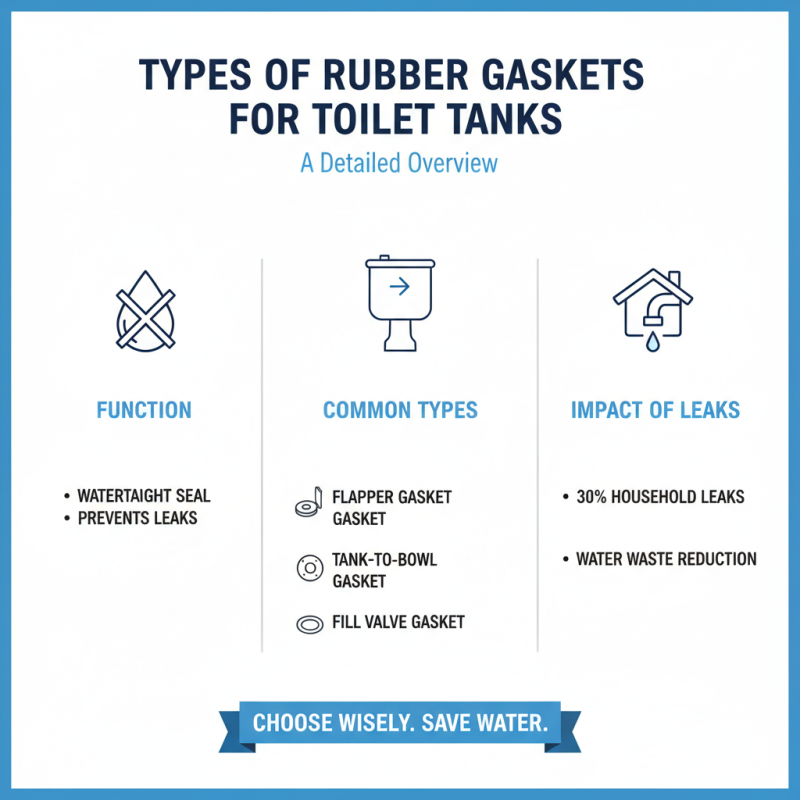
When considering toilet tank rubber gaskets, homeowners have various options. Different types serve distinct purposes. Generally, gaskets are meant to create a watertight seal. This prevents leaks that can lead to water waste. Industry reports suggest that nearly 30% of households experience leaks from the toilet tank. Proper gasket choice can significantly mitigate this issue.
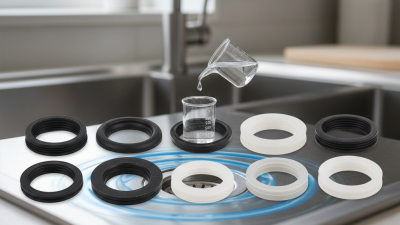
There are two main types of rubber gaskets: flat and cushioned. Flat gaskets are simpler and provide a straightforward seal. They are typically made from materials like silicone or neoprene. Cushioned gaskets, however, are designed to absorb vibrations. This design can enhance durability but may not fit all toilet models. A study showed that cushioned gaskets last 20% longer than flat gaskets under similar conditions. But their compatibility issues pose a challenge for some users.
Choosing the right gasket involves understanding your toilet's specifications. Many homeowners overlook the importance of installation. A poorly installed gasket can lead to unwanted leaks, even with the right choice. Regular checks can help maintain a watertight seal. Awareness of these details helps in making informed choices.
Factors to Consider When Choosing a Toilet Tank Rubber Gasket
When selecting a toilet tank rubber gasket, several factors come into play. Size is crucial; the gasket must fit your toilet tank precisely. Many homeowners overlook this detail. An ill-fitting gasket can lead to leaks. Measure the dimensions of your tank carefully. A small mistake can cause big problems later.
Material is another important consideration. Rubber is common, but not all rubbers are created equal. Some gaskets resist wear better than others. Look for durable materials that can withstand water pressure. Additionally, consider how often you use your toilet. If it's in a high-traffic area, opt for a tougher gasket.
Cost may seem tempting, but don’t compromise quality for price. Cheaper options might need replacement sooner. Think about long-term savings. Choosing the right gasket can save you from future headaches. Lastly, installation ease is worth considering. Some gaskets are easier to install than others. If you’re not handy, this could be a deciding factor. Take your time in choosing the right one.
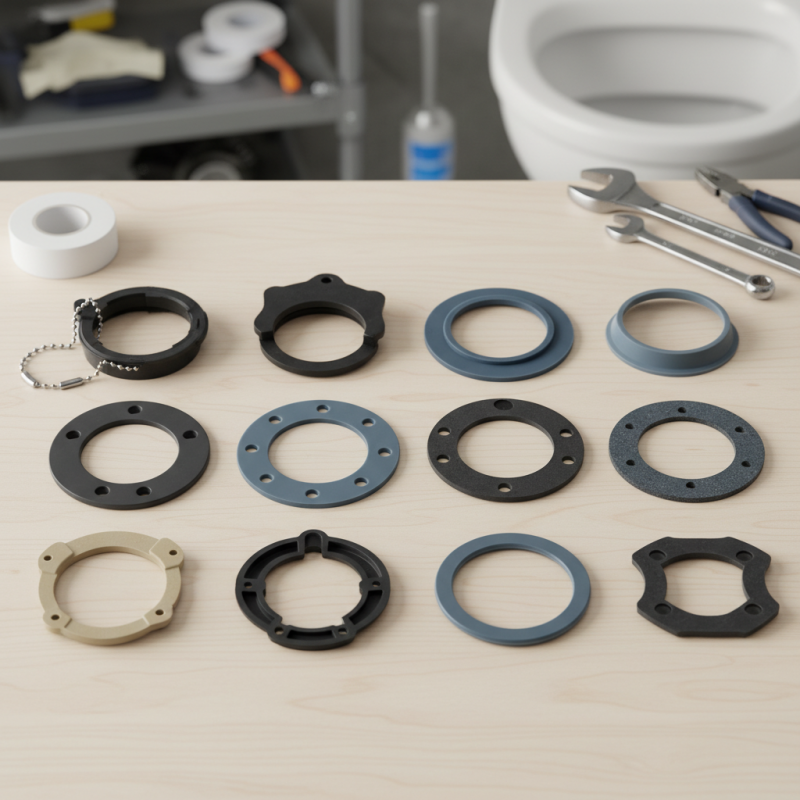
Top 10 Recommended Toilet Tank Rubber Gasket Options
When considering toilet tank rubber gaskets, homeowners face an array of choices. A reliable gasket ensures a tight seal, preventing leaks and reducing water waste. According to industry reports, up to 30% of homes experience toilet leaks, often due to faulty gaskets. This statistic highlights the importance of selecting the right gasket for your toilet.
A well-fitting gasket can also improve flush performance. In certain models, a worn gasket may cause insufficient water to enter the bowl, resulting in multiple flushes. This inefficiency can lead to higher water bills. Experts recommend inspecting gaskets regularly. Look for signs of wear or damage, such as cracks or deformities. Regular maintenance can save homeowners significant amounts on water costs.
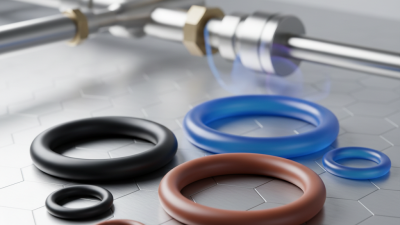
Gasket material matters too. While many options exist, not all are suitable for every toilet type. Some gaskets use foam, while others are made from rubber or silicone. Each material has its pros and cons regarding durability and resistance to chemicals. A poorly chosen gasket may fail sooner, causing frustration. Therefore, it's essential to evaluate your toilet model and usage before making a decision.
Installation Tips for Toilet Tank Rubber Gaskets
When installing a toilet tank rubber gasket, accuracy is essential. Begin by turning off the water supply. Flush the toilet to empty the tank. Remove the tank by unscrewing the bolts. Be cautious; rust can make this challenging.
Cleaning the surface is crucial. Use a scrub pad to remove old sealant or debris. Some homeowners overlook this step. The new gasket won't seal properly on a dirty surface. Once cleaned, position the gasket on the tank. Ensure it is centered perfectly.
Tips for installation include applying a little plumber's grease. This helps the gasket fit snugly without tearing. Tighten the bolts slowly and evenly. Don't over tighten; this can cause cracks.
Check for leaks after the installation. If you see any, revisit your steps to ensure a proper seal. Installing a gasket requires patience, but it’s a rewarding task.