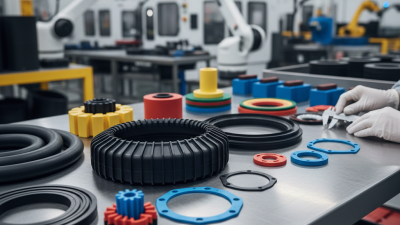
The global demand for high-quality Molded Rubber Parts continues to rise. As industries evolve, the need for durable and reliable components becomes critical. China stands out as a leading supplier of these parts. Their experience in manufacturing offers a wide range of options for buyers worldwide.
China's manufacturers are known for their expertise in producing molded rubber components. They employ advanced technologies and strict quality control processes. This ensures that their products meet international standards. These suppliers provide customized solutions, making it easier for companies to find parts that fit their specific needs.
However, challenges exist. Not all suppliers maintain the same level of quality. It's essential for buyers to conduct thorough research. Understanding a supplier's reputation and production capabilities is crucial. Engaging with experienced suppliers can make a significant difference in sourcing molded rubber parts effectively.
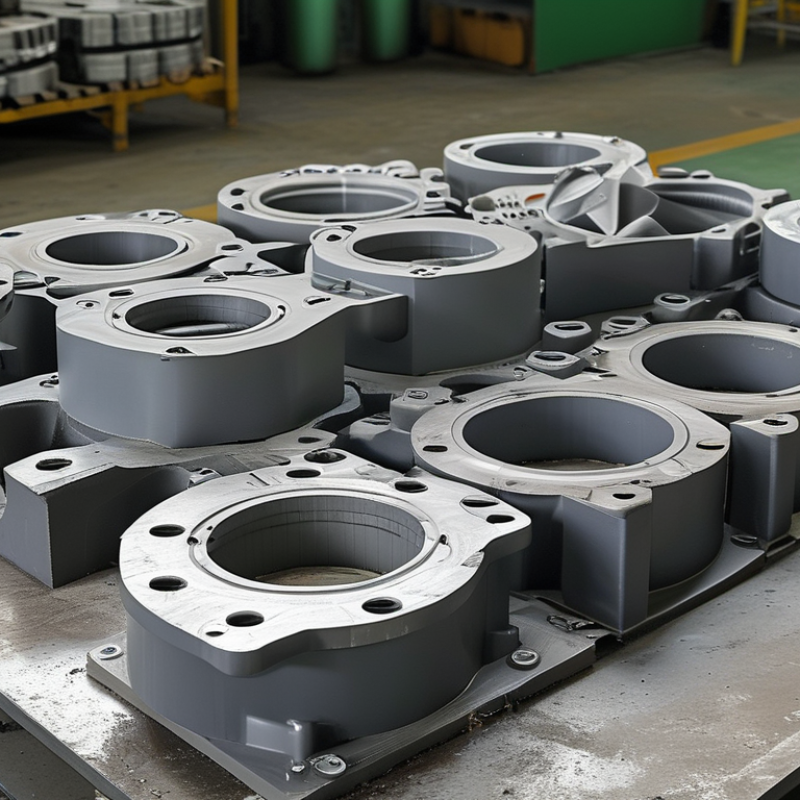
China stands at the forefront of the molded rubber parts industry, dominating global supply chains. Recent industry analysis shows that China's market share exceeds 40% in the global molded rubber sector. This rise is largely due to its advanced manufacturing capabilities and cost efficiency. In 2022, China's exports of molded rubber parts reached approximately $15 billion, indicating substantial growth.
The country's vast production facilities and skilled workforce enable it to meet diverse demands. However, concerns about quality control and environmental impacts remain critical. Inconsistent quality can lead to issues in end products, causing buyers to reconsider their sourcing decisions. Additionally, the industry's heavy reliance on petrochemical materials raises sustainability questions.
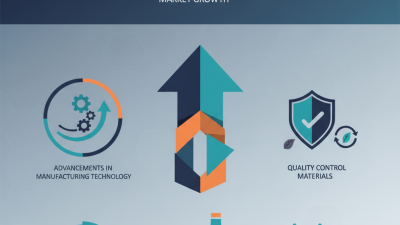
Despite these challenges, the potential for growth is significant. According to industry forecasts, the molded rubber market is expected to grow at a CAGR of 5% from 2023 to 2028. This presents opportunities for innovation in manufacturing processes and materials. As global buyers seek reliable suppliers, China's position will likely remain strong, provided it addresses these areas for improvement.
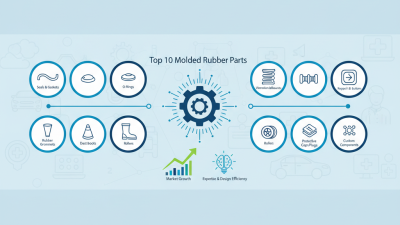
When looking for top molded rubber parts suppliers in China, it’s important to understand their key features. Leading suppliers often possess strong manufacturing capabilities. They employ advanced technology, ensuring high-quality products. This commitment to quality is visible in their consistent performance and adherence to international standards.
Another significant aspect is their experience in the industry. A supplier with years of expertise can better understand client needs. They typically offer customized solutions, catering to specific requirements. This flexibility is crucial for global buyers who demand tailored products.
Tip: Check the supplier's production processes and certifications. This will provide insights into their reliability and commitment to quality.
Competitive pricing is also a hallmark of reputable suppliers. While low prices can be tempting, be cautious. Sometimes, lower costs can indicate lower quality. It’s essential to balance cost and quality.
Tip: Always request samples before making a bulk order. This can reveal the true quality of the products. It’s an opportunity for thoughtful evaluation.
Engaging with suppliers who prioritize communication is vital. Reliable suppliers often have effective customer service. They are quick to respond to inquiries. This level of support can greatly enhance your experience.
The rubber manufacturing industry is seeing notable trends as global demand grows. A recent report by industry analysts indicates that the market for molded rubber parts is projected to expand at a CAGR of 4.5% from 2023 to 2030. This growth is fueled by increasing applications in automotive, electronics, and healthcare sectors. There is a surge in demand for customized rubber parts, reflecting the need for versatility and innovation.
China remains a vital supplier in this market. However, challenges exist. Quality control and sustainable practices are becoming critical. Reports show that about 30% of manufacturers face issues with compliance and quality assurance. This highlights the need for improvements in processes and standards. Despite these hurdles, the future appears optimistic as the industry shifts towards eco-friendly materials and technologies.
Investments in R&D are essential. Companies that prioritize innovation are more likely to thrive. For instance, integrating advanced manufacturing technologies like 3D printing can streamline production. Data suggest that businesses adopting such methods can reduce costs by up to 20%. As manufacturers adapt, the focus on sustainable practices will likely drive growth and shape the industry's landscape.
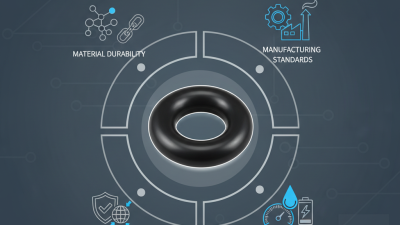
Quality standards and certifications are crucial for molded rubber parts. Chinese suppliers strive to meet international benchmarks. However, not all manufacturers maintain these standards consistently. Buyers must be vigilant.
ISO certifications are common in the industry. They ensure that the production processes align with global quality requirements. Other certifications, like RoHS and REACH, verify that materials used are safe. But, complacency can lead to lapses in these standards.
Understanding quality assurance processes is vital. Some suppliers may claim compliance but lack rigorous testing. Transparency is key; reliable suppliers should provide documentation. Proactive communication helps identify potential issues early. It is essential to prioritize these factors to ensure a successful partnership.
| Supplier Location | Annual Production Capacity (Tons) | Main Product Types | Quality Certifications | Export Markets |
|---|---|---|---|---|
| Guangdong | 2000 | Rubber gaskets, seals | ISO 9001, TS 16949 | North America, Europe |
| Shandong | 1500 | Rubber bumpers, mats | ISO 14001, CE | Asia, Australia |
| Zhejiang | 3000 | Custom molded parts | IATF 16949, RoHS | South America, Africa |
| Tianjin | 1800 | Silicone rubber parts | ISO 9001, FDA approved | Middle East, Russia |
When evaluating molded rubber parts suppliers globally, cost and performance are critical factors to consider. According to recent industry reports, common prices for molded rubber parts can range from $0.50 to $5.00 per piece, depending heavily on material and complexity. For example, silicone rubber typically costs more than standard neoprene due to its superior durability and temperature resistance. Buyers must assess their needs and how these features align with their specific applications.
Performance metrics such as material strength, elasticity, and longevity play a vital role in supplier selection. For instance, high-quality rubber components can last up to 50% longer than lower-quality options. This longevity often results in reduced replacement costs and less downtime for manufacturers. Nonetheless, not all suppliers meet high performance standards consistently, which can lead to unfortunate product failures and significant financial losses.
Tips: Consider asking for sample parts before finalizing an order. Testing the material under your conditions can reveal potential weaknesses. Additionally, regular supplier audits can ensure quality control. Always keep an eye on the balance between cost and performance; what saves money now may cost more in the long run.