2026 Top Gas Regulator O Ring Types and Their Applications?
Gas Regulator O Rings play a crucial role in various gas regulation systems. These O Rings ensure a secure seal, preventing leaks and maintaining efficiency. According to industry reports, the global gas regulator market is expected to reach $5 billion by 2026. This growth highlights the increasing demand for reliable sealing solutions.
In gas applications, the right O Ring material is essential. Common materials include Nitrile and Viton, each offering unique benefits. Performance can vary significantly, depending on the environment. Some applications require resistance to high temperatures and chemicals. Others may prioritize flexibility and longevity.
While the choices are abundant, selecting the best Gas Regulator O Ring can be challenging. Not all O Rings perform equally under pressure. Failure can occur if the wrong type is used. Understanding the specific application is vital. Inadequate seals lead to inefficiencies and safety risks. A careful approach to selection can improve performance and reduce costs.
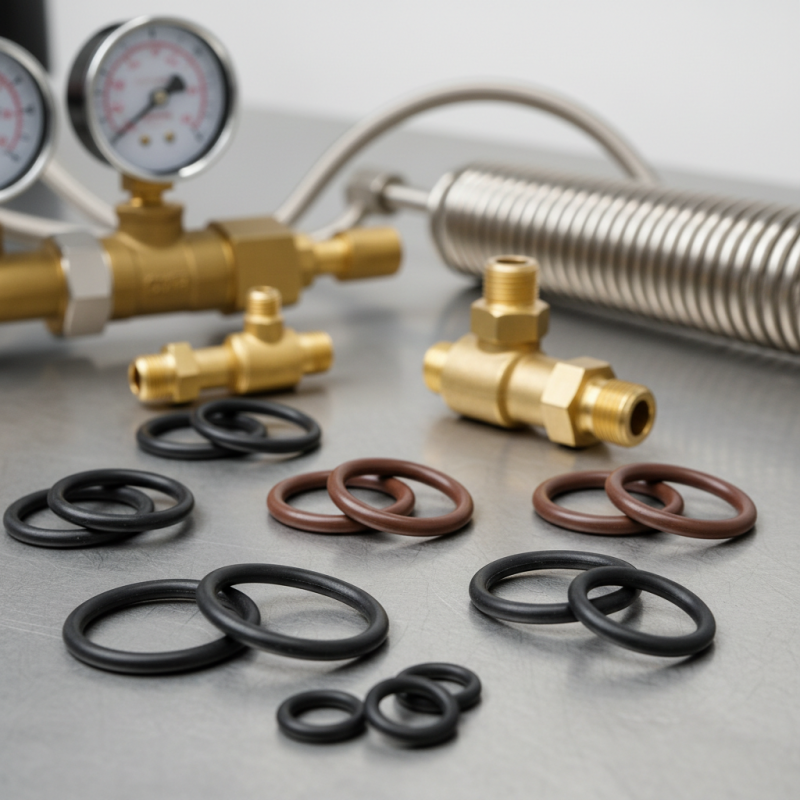
Types of O-Rings for Gas Regulators: An Overview of Materials and Specifications
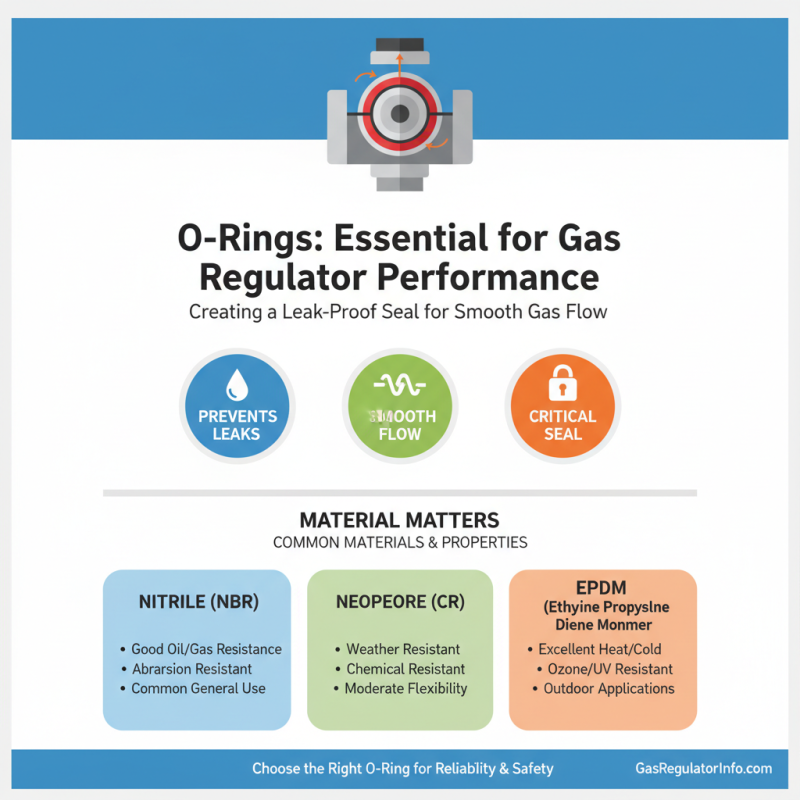
Gas regulators rely on O-rings for optimal performance. O-rings create a seal, preventing leaks and ensuring gas flows smoothly. The choice of material is critical. Common materials include nitrile, neoprene, and EPDM. Each has unique properties and applications.
Nitrile O-rings are widely used due to their resistance to oil and fuel. They perform well under various temperatures but may degrade with exposure to sunlight. Neoprene is durable against weather and ozone, making it suitable for outdoor applications. EPDM, on the other hand, withstands high temperatures and steam. However, it isn't compatible with mineral oils.
Choosing the right O-ring involves understanding specifications. Size and cross-section affect fit and functionality. Miscalculating these can lead to failures. Thickness impacts sealing capability. A thicker ring might provide better sealing, but could also create excessive friction. Balancing these factors is essential for optimal performance.
Applications of Nitrile O-Rings in Gas Regulation Systems
Nitrile O-rings play a crucial role in gas regulation systems. These rings are made from a synthetic rubber compound known for its durability and resistance to various chemicals. They ensure airtight seals, which are vital for controlling gas flow and preventing leaks. In many applications, they withstand high pressures while maintaining their shape and effectiveness.
In gas regulation systems, the choice of materials matters. Nitrile O-rings are often used because they can resist oils and fuels. Their ability to perform in extreme temperatures is notable. However, not all nitrile O-rings are equal. Variations in thickness and hardness can impact their performance drastically. Users often overlook these differences, leading to subpar system performance.
One common problem arises when gas regulators face temperature fluctuations. These changes can cause the O-rings to expand or contract, potentially leading to failures. Regular inspections are important, yet many users ignore this. It's not just about having the right O-ring; it's about ensuring it fits the specific application. Being mindful of this can prevent leaks and maintain safety.
2026 Top Gas Regulator O Ring Types and Their Applications
| O-Ring Type |
Material |
Temperature Range (°C) |
Application |
Key Characteristics |
| Nitrile O-Ring |
Nitrile Rubber (Buna-N) |
-40 to 120 |
Gas Regulators, Fuel Systems |
Excellent resistance to petroleum oils |
| Fluoroelastomer O-Ring |
Viton |
-20 to 200 |
High-Temperature Gas Lines |
Outstanding chemical resistance and high temperature performance |
| Silicone O-Ring |
Silicone Rubber |
-50 to 200 |
Low-Temperature Applications |
Good flexibility at low temperatures |
| Polyurethane O-Ring |
Polyurethane |
-30 to 80 |
Industrial Gas Systems |
Excellent abrasion resistance |
| EPDM O-Ring |
EPDM Rubber |
-40 to 120 |
Water and Steam Applications |
Excellent weather and ozone resistance |
Fluorocarbon O-Rings: Resistance to High Temperatures and Chemical Exposure
Fluorocarbon O-rings are popular for gas regulators. Their robust design handles high temperatures. This makes them suitable for various applications. They can fluctuate from -30°C to 200°C. This wide range is impressive for any sealing component.
These O-rings also resist chemical exposure. They can withstand many corrosive environments. This durability enhances their lifespan significantly. It’s essential to ensure they are compatible with the specific gases used. However, they may not always perform perfectly. Users should consider potential deterioration in certain extreme circumstances. Regular inspections can help identify issues early on.
In industry, the proper selection of O-rings is crucial. Fluorocarbon materials offer many benefits but come with limits. Users often overlook these limits. They may focus solely on benefits without recognizing potential failure points. Balancing performance and application requirements is key to success.
Silicone O-Rings: Benefits in Low-Temperature Gas Applications
Silicone O-rings are increasingly popular for low-temperature gas applications. Their unique properties make them an ideal choice in extreme environments. According to industry data, silicone is effective at temperatures as low as -100°F. This durability is critical for gas regulators in various sectors, including aerospace and refrigeration.
One of the key benefits of silicone O-rings is their flexibility. They can maintain a reliable seal without becoming brittle. This means reduced risk of leaks in critical systems. However, silicone isn't universally perfect. It may degrade when exposed to certain chemicals, which is a concern in specialized industries. Data suggests that, while silicone O-rings excel in low temperatures, their long-term viability often relies on environmental conditions.
In terms of performance, silicone O-rings show impressive resilience. They endure repeated compression and decompression. Tests indicate they can retain sealing effectiveness even after 100,000 cycles. However, there's room for reflection. These seals aren't suited for high-pressure applications. Gaps in performance need to be evaluated before any implementation. Overall, silicone O-rings present a strong option for low-temperature gas applications, yet users must remain vigilant regarding their limitations.
2026 Top Gas Regulator O Ring Types and Their Applications
This chart illustrates the temperature resistance of various O-ring types commonly used in gas regulation. Silicone O-rings stand out for their high performance in low-temperature applications, making them ideal for specific gas handling needs.
Selecting the Right O-Ring Size and Shape for Optimal Gas Regulation Performance
Selecting the right O-ring for gas regulation is critical for performance. An appropriate size and shape can enhance the sealing mechanism. According to industry reports, up to 30% of gas leaks occur due to improper O-ring selection. This statistic underlines the importance of precision. O-rings must fit snugly within the regulator design to maintain pressure and prevent leaks.
When choosing O-rings, manufacturers should consider various factors. Material compatibility with the gas type affects longevity. For instance, nitrile rubber is common for gaseous environments. Its resistance to fuel exposure makes it a preferred choice. However, it can degrade under extreme temperatures. This variable can lead to issues if not monitored. Also, size matters. Incorrect diameter can cause slippage, resulting in potential hazards.
Many engineers prioritize standard O-ring sizes, which may not suit every application. Custom O-rings can provide better results, yet they require more time and resources. Finding the balance between standard and custom options is often an ongoing challenge. In production, up to 15% of components may not meet the specified requirements at first, calling for a reflective approach in quality control.