Top 10 Fuel Resistant O Rings in China for Enhanced Performance?
In today's industrial landscape, the demand for high-performance materials is greater than ever. The "Fuel Resistant O Rings" industry in China is rising to meet this challenge. Dr. Zhang Wei, a noted expert in seal technology, once stated, "Proper materials define the efficacy of seals in fuel systems." His insights reflect the importance of selecting the right O rings for optimal performance.
Fuel resistant O rings are essential in various applications, including automotive and aviation sectors. These seals must withstand harsh environments and aggressive fuels. The evolution of materials used for O rings has significantly impacted their durability and effectiveness. However, many manufacturers still face challenges in maintaining quality standards.
The upcoming 2026 Canton Fair will showcase innovations in seal technology, offering a platform for businesses to connect. It is an opportunity for suppliers of fuel resistant O rings to demonstrate their capabilities. As companies strive for excellence, the need for enhanced performance remains paramount. This ongoing quest for improvement calls for a reevaluation of existing products and practices within the industry.

Top Characteristics of Fuel Resistant O Rings for Optimal Performance
Fuel resistant O rings play a crucial role in many applications, especially in automotive and industrial sectors. Their performance depends on various characteristics. One key trait is their resistance to fuel and chemicals. They must endure harsh environments without degrading. Material selection is critical. Fluorocarbon and nitrile rubber are common choices. These materials improve the seal's durability and longevity.
Another important characteristic is temperature tolerance. The ideal O ring can handle heat and cold. High temperatures can cause failures in weaker materials. Look for O rings specified for temperature ranges that meet your needs. Additionally, proper hardness is essential. O rings that are too soft may wear out quickly. Conversely, those that are too hard might not form effective seals.
Tips: Always inspect O rings for wear and damage. Regular maintenance helps identify potential issues. Consider the fluid you are sealing against. Compatibility affects performance. Safety and efficiency rely on these small but vital components. Evaluate different suppliers if necessary. Make informed choices to enhance your applications.
Key Materials Used in Manufacturing Fuel Resistant O Rings
Fuel resistant O rings play a crucial role in various applications. Choosing the right materials for these O rings is essential for durability and effectiveness. Common materials include fluorocarbon and nitrile. Each material has its strengths. Fluorocarbon O rings offer excellent resistance to high temperatures. They withstand aggressive fuels too. Nitrile, on the other hand, is more affordable. It provides decent resistance for most applications.
When manufacturing O rings, the properties of these materials are crucial. Selecting the right material can greatly enhance performance. It's essential to consider factors like temperature stability and chemical compatibility. Some O rings degrade faster than expected. This can lead to leaks and failures. Using the wrong type can be costly and unsafe.
**Tip**: Always verify the specifications of the O ring material. Testing in actual conditions helps. Improper material can lead to significant issues. Careful selection minimizes risks and enhances reliability. Keep in mind the environment where the O rings will function. Consider fuel types and temperatures. Understanding these aspects is vital for success.
Comparative Analysis of Leading Brands in China's Fuel Resistant O Ring Market
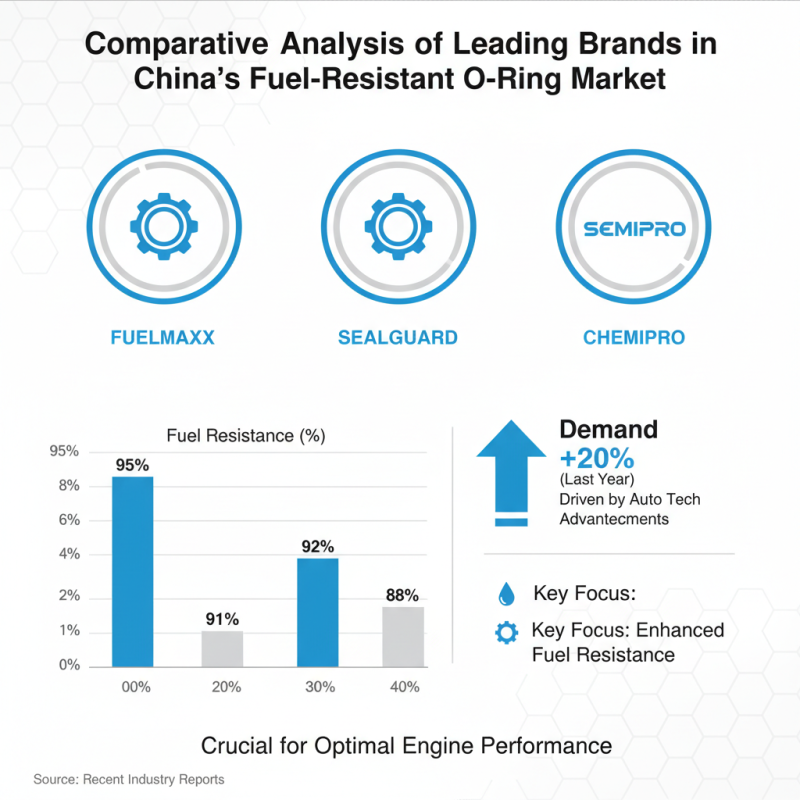
In the competitive landscape of fuel-resistant O rings in China, several brands stand out based on performance metrics. According to recent industry reports, the demand for high-quality O rings has increased by 20% in the past year, driven by advancements in automotive technology. Companies are focused on enhancing fuel resistance, which is crucial for optimal engine performance.
Tests show that premium materials, like fluorocarbon and nitrile, offer superior longevity and reliability when exposed to various fuels. However, some manufacturers still struggle with consistency. One report indicated that nearly 15% of sample O rings did not meet industry standards for fuel compatibility. This inconsistency poses risks for end-users relying on these components for safety and efficiency.
Comparatively, research highlights a gap in pricing versus quality. While some brands offer lower-cost options, durability often suffers. For instance, budget O rings may fail after just a few hundred hours of operation, compared to high-end variants lasting thousands of hours. In this dynamic market, manufacturers must prioritize both innovation and quality assurance to remain competitive. Balancing cost and performance continues to be a challenge for many players in the industry.
Applications and Industries Benefiting from Fuel Resistant O Rings
Fuel resistant O rings are essential in various industries. They play a crucial role in maintaining performance, especially in automotive and aerospace sectors. According to industry reports, the demand for fuel resistant O rings is projected to grow by 5% annually. This is due to increasing safety regulations and performance standards.
Applications such as fuel systems in vehicles rely heavily on these seals. They ensure no leakage occurs, which is vital for safety. Additionally, industries like oil and gas also utilize O rings. These rings withstand harsh environments. The oil market's expansion drives the need for durable sealing solutions.
Tips: Consider the material composition when selecting O rings. Fluoroelastomers often provide better chemical resistance. Regular inspection can prevent sudden failures. Understanding the working environment is crucial for optimal performance. Over time, even the best materials can degrade.
Fuel resistant O rings enhance efficiency. However, proper maintenance is often overlooked. Users should be trained on recognizing early signs of wear. Many overlook the importance of temperature and pressure variations on O ring life. Investing in good sealing technology pays off in the long run.
Top 10 Fuel Resistant O Rings in China for Enhanced Performance
| O Ring Material |
Temperature Range (°C) |
Chemical Resistance |
Typical Applications |
Industry |
| Viton (FKM) |
-20 to 200 |
Excellent |
Fuel systems, Oil pumps |
Automotive |
| Nitrile (Buna-N) |
-40 to 120 |
Good |
Fuel hoses, Gaskets |
Petrochemical |
| Silicone |
-60 to 200 |
Fair |
Engine components |
Aerospace |
| EPDM |
-40 to 120 |
Good |
Fuel cells, Seals |
Energy |
| Fluorosilicone |
-60 to 200 |
Excellent |
Aerospace seals |
Aerospace |
| HNBR |
-30 to 150 |
Good |
Automotive parts |
Automotive |
| Polytetrafluoroethylene (PTFE) |
-200 to 260 |
Outstanding |
Chemical processing |
Chemical |
| Polyurethane |
-40 to 90 |
Fair |
Hydraulic systems |
Industrial |
| Chloroprene (Neoprene) |
-40 to 100 |
Good |
Water pumps, Automotive |
Automotive |
| Acrylic |
-40 to 80 |
Fair |
Low-pressure seals |
General |
Maintenance Tips for Prolonging the Lifespan of Fuel Resistant O Rings
Fuel resistant O rings are crucial in various applications, particularly in automotive and industrial settings. Proper maintenance is key to ensuring their effectiveness and longevity. Here are some tips to enhance their lifespan.
Regularly inspect the O rings for signs of wear or damage. Look for cracks or discoloration. Replace them if you notice any issues. Clean the O rings gently with a soft cloth. Avoid using harsh chemicals that can degrade the material.
Store O rings in a cool, dry place. High temperatures can lead to premature failure. Ensure they are kept away from direct sunlight. Consider their exposure to different fuels. Some fuel types can be more aggressive than others. Remember, even the best products can fail without proper care. Regular checks and mindful storage can make all the difference.
Top 10 Fuel Resistant O Rings Performance Comparison
This chart compares the performance ratings of the top 10 fuel-resistant O rings based on their material types. The ratings range from 1 to 10, with higher numbers indicating better performance. This data can help in selecting the most suitable O rings for enhanced performance in various applications.