Top Fuel Resistant O Rings for 2025 Your Ultimate Buying Guide
In the rapidly evolving world of industrial materials, the importance of Fuel Resistant O Rings cannot be overstated. As we approach 2025, manufacturers and engineers face an increasing demand for components that can withstand harsh environments while maintaining optimal performance. According to industry expert Dr. Emily Warren, a leading material scientist specializing in elastomers, "The right choice of fuel resistant O rings is crucial for ensuring safety and durability in applications involving aggressive fuels and chemicals."
These specialized O rings are designed to provide superior resistance to various fuels, oils, and chemicals, making them essential in sectors such as automotive, aerospace, and machinery. Understanding the nuances of these products is key to selecting the right components that not only meet regulatory standards but also enhance the longevity of equipment.
In this ultimate buying guide, we will explore the top fuel resistant O rings for 2025, delving into their materials, applications, and critical features. Whether you are an engineer looking to optimize your designs or a procurement professional aiming to source reliable components, this guide will equip you with the insights needed to make informed decisions in the realm of fuel resistant O rings.

Introduction to Top Fuel Resistant O Rings
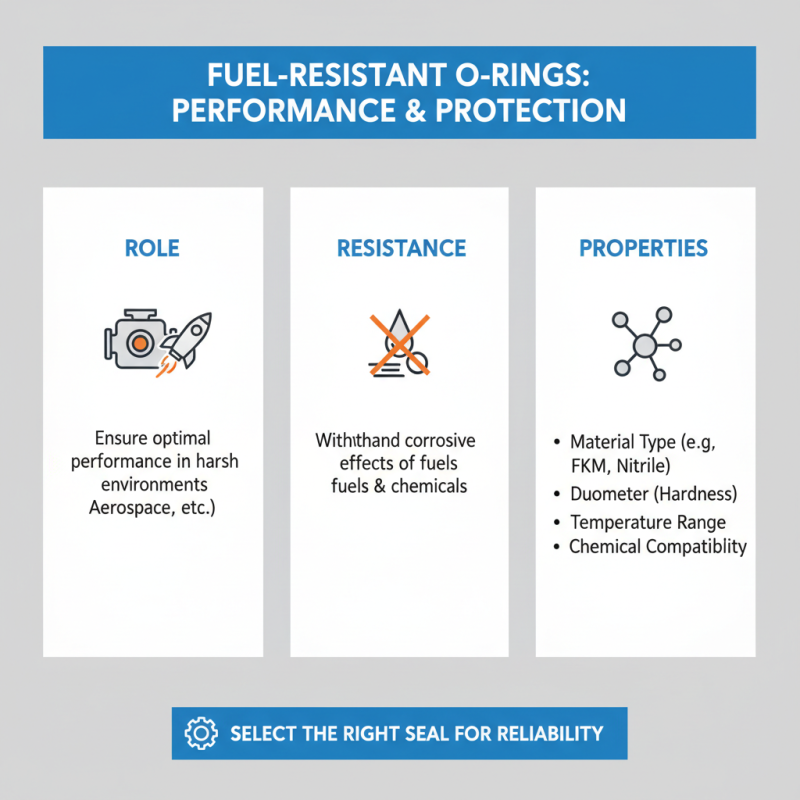
When it comes to ensuring optimal performance in various applications, fuel-resistant O-rings play a crucial role. These components are designed to withstand harsh environments and the corrosive effects of different fuels, making them essential in industries ranging from automotive to aerospace. Understanding the properties that make O-rings fuel resistant is vital for selecting the right product for your specific needs.
Fuel-resistant O-rings are typically made from materials that exhibit high chemical resistance, such as Viton or nitrile rubber. These materials are engineered to provide excellent durability and flexibility, which is essential in applications where exposure to aggressive fuels is common. In addition to resistance to fuels, these O-rings must maintain their integrity under extreme temperatures and varying pressure conditions, ensuring reliable sealing over the long term.
As you consider purchasing fuel-resistant O-rings, it's important to focus on factors such as temperature ratings, compression set, and compatibility with different fuel types. A thorough understanding of these elements will help you make informed decisions, ensuring that the O-rings selected meet the demands of your specific application while providing long-lasting performance.
Key Materials Used in Fuel Resistant O Rings
When selecting fuel-resistant O rings, the choice of material is crucial for ensuring optimal performance and longevity. There are several key materials commonly used in the production of these O rings, each offering distinct advantages based on their chemical resistance, temperature stability, and mechanical properties. One of the most prevalent materials is fluoroelastomer, known for its excellent resistance to a wide range of fuels and oils. Its ability to withstand high temperatures makes it ideal for applications in automotive and aerospace sectors.
Another important material is nitrile rubber, which offers great resistance to petroleum-based fuels and is often favored for its affordability and versatility. While it provides good compression set resistance, its effectiveness can diminish at higher temperatures. For more demanding environments, materials such as ethylene propylene diene monomer (EPDM) are used, as they excel in high-temperature applications and can resist steam and water exposure, making them suitable for more complex fuel systems.
Additionally, silicone-based O rings may be utilized for their superior flexibility and temperature resilience, although their resistance to certain fuels may not match that of fluoroelastomers or nitrile rubber. Understanding the properties and limitations of these materials is essential for selecting the right fuel-resistant O ring for your specific needs and applications.
Top Fuel Resistant O Rings for 2025 - Your Ultimate Buying Guide
| Material |
Temperature Resistance (°C) |
Fuel Compatibility |
Durability Rating (Years) |
Typical Applications |
| Nitrile (Buna-N) |
-40 to 120 |
Gasoline, Diesel |
5-10 |
Automotive, Hydraulic Systems |
| Fluoroelastomer (Viton) |
-20 to 200 |
Aromatics, Oxygenated Fuels |
10-15 |
Chemical Processing, Aerospace |
| EPDM |
-40 to 150 |
Biodiesel, Ethanol |
5-12 |
Storage Tanks, Fuel Systems |
| Silicone |
-60 to 200 |
Limited Fuel Compatibility |
3-5 |
Food Processing, Medical Devices |
| PTFE (Teflon) |
-200 to 260 |
All Fuels |
20+ |
Electrical, Aerospace, Chemical |
Factors to Consider When Buying Fuel Resistant O Rings
When purchasing fuel-resistant O-rings, several crucial factors must be considered to ensure optimal performance and longevity. First, it is essential to examine the material composition of the O-rings. Common materials include fluorocarbon (FKM), nitrile (NBR), and silicone, each with unique properties that affect their fuel resistance. For example, FKM O-rings can withstand a wide range of temperatures and are resistant to aggressive fuels and oils, making them ideal for automotive applications. A recent report highlighted that FKM's use in fuel systems has grown by over 25% in the last five years due to its superior resistance to degradation.
Another critical factor is the O-ring size and cross-section. It is vital to ensure that the selected O-ring fits snugly within its groove to prevent leaks and other failures. According to industry standards, the tolerances for O-ring dimensions can significantly impact sealing capabilities. The American National Standards Institute (ANSI) outlines specifications that can guide manufacturers and engineers in selecting the right size. Furthermore, the working conditions, including temperature fluctuations and exposure to different fuel types, should also influence the choice of O-ring. Recent data indicates that an estimated 15% of equipment failure in automotive fuel systems can be attributed to improper O-ring selection, highlighting the importance of careful consideration during the purchasing process.
Top Fuel Resistant O Rings Comparison (2025)
Top Brands for Fuel Resistant O Rings in 2025
When considering the top brands for
fuel-resistant O-rings
in 2025, it’s crucial to focus on materials renowned for their
durability and resistance to various fuels and chemicals. A recent industry report highlights that the
global market for O-rings
is projected to reach approximately
$2.8 billion
by 2025, with fuel-resistant O-rings driving a significant portion of this growth due to their critical applications in automotive and aerospace industries.
These sectors require O-rings that can withstand extreme temperatures and aggressive fuels, making material choice vital.
Leading manufacturers are now investing in advanced elastomers such as
fluoroelastomers
and
perfluoroelastomers,
praised for their superior resilience against automotive fuels and oils. Reports from the
Elastomeric Seals Division indicate that fluoroelastomer O-rings can maintain their physical properties even after prolonged exposure to gasoline and diesel, with performance metrics showing a
30% improvement
in lifespan compared to standard rubber O-rings. As the demand for sustainable and reliable products increases, companies producing these high-performance seals are positioning themselves at the forefront of the market, emphasizing
innovation and
material science to ensure they meet stringent industry requirements.
Maintenance Tips for Longevity of Fuel Resistant O Rings
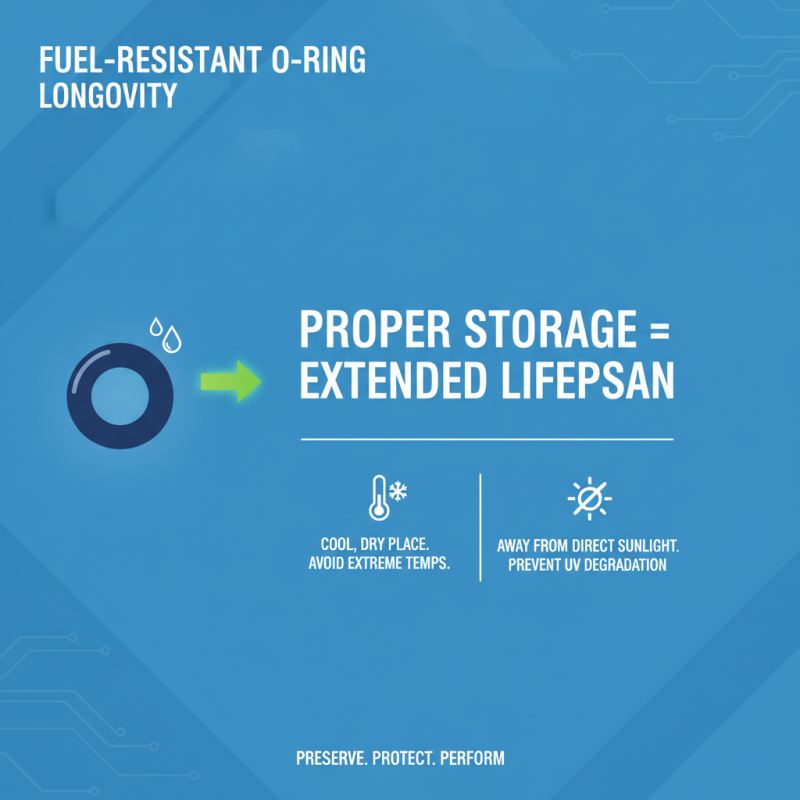
Maintaining the longevity of fuel-resistant O-rings is essential for ensuring their effectiveness in various applications. One of the key aspects of prolonging their lifespan is proper storage. Store O-rings in a cool, dry place away from direct sunlight to prevent them from degrading due to UV exposure. Additionally, avoid keeping them in areas with extreme temperature variations, as these can lead to swelling or cracking over time.
Another critical tip is to inspect your O-rings regularly for signs of wear or damage. Early detection of issues such as hardening or visible cracks can prevent potential leaks or failures. Use lubricants that are compatible with fuel applications to minimize friction during installation, but be cautious of the type of lubricant you choose, as some may adversely react with the O-ring material.
Lastly, when assembling components, ensure that the surfaces are clean and free from debris, as contaminants can compromise the sealing ability of the O-rings. Following these maintenance tips will help maximize the performance and lifespan of your fuel-resistant O-rings, ensuring your systems run smoothly and safely.