Essential Tips for Choosing Gas Resistant O Rings?
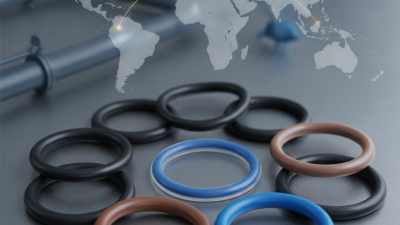
When it comes to industrial applications, choosing the right components is crucial. Gas Resistant O Rings play a vital role in preventing leaks and ensuring efficiency. Their selection process often involves significant challenges. You must consider material compatibility, temperature range, and pressure ratings. These factors determine the performance and longevity of the O rings.
The market offers various types of Gas Resistant O Rings. With multiple formulas available, not all options are suitable for every application. It's essential to balance cost and quality. Remember, a cheaper ring may end up costing more due to failures. Understanding specific gas properties can help in making informed choices.
Often overlooked, proper installation can impact performance. An incorrectly installed O ring can lead to immediate failure. Therefore, training staff on the best practices is invaluable. In a field where precision is key, investing in the right Gas Resistant O Rings ensures reliability and safety. Thoughtful consideration in the selection process is critical for success in any project.
Understanding Gas Resistance in O Rings
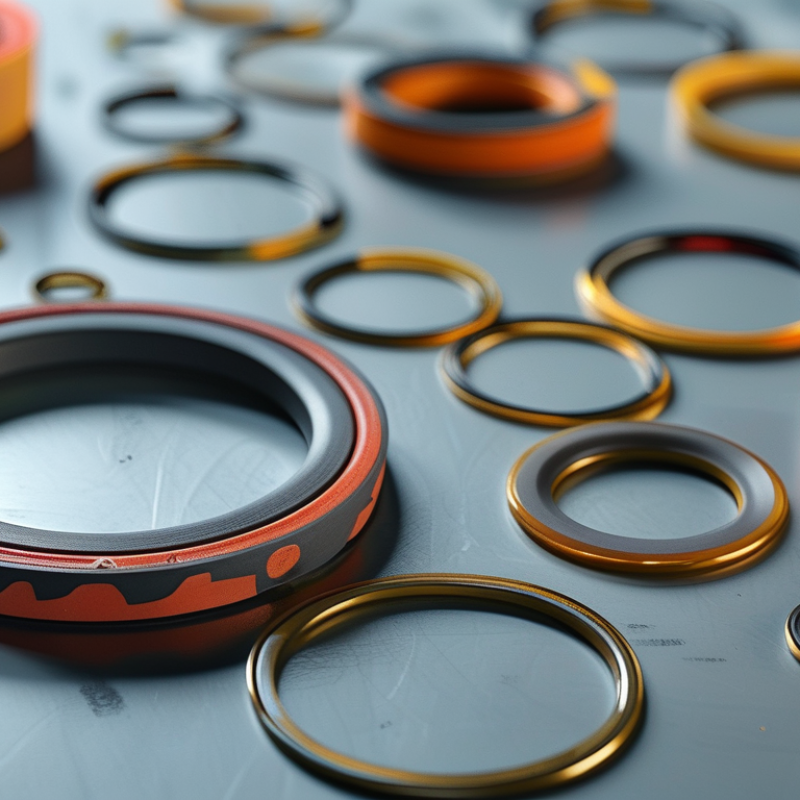
Gas resistance in O rings is crucial for many applications. Choosing the right O ring involves understanding the materials and their compatibility with different gases. Not all O rings are created equal. Some materials perform well under certain conditions, while others fail quickly.
Different gases can react with O ring materials, causing swelling or degradation. For instance, hydrocarbons can affect elastomers negatively. It's essential to check compatibility charts before making a selection. Additionally, temperature plays a significant role. Higher temperatures may accelerate the degradation of some O ring materials.
Visual inspection can be another useful method for evaluating O rings. Look for signs of wear, such as cracks or discoloration. This can indicate that an O ring is not suitable for the chosen application. Always consider the working environment.
Gas leaks can be dangerous, making it essential to choose wisely. However, even experts can overlook subtle compatibility issues. Thus, research is key, and consulting with professionals can help ensure optimal choices.
Key Materials for Gas Resistant O Rings
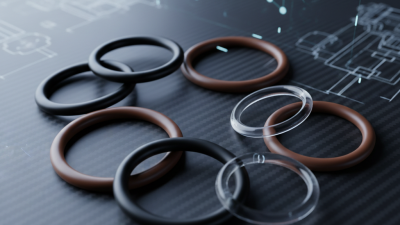
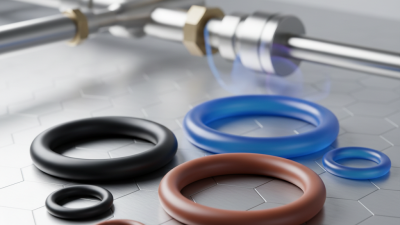
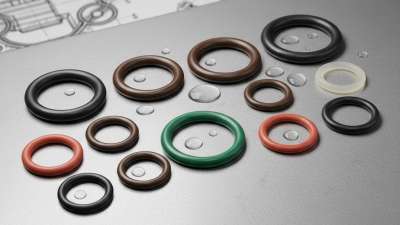
When selecting gas-resistant O-rings, the choice of material is critical. Various materials exhibit different levels of resistance to gas permeation. For example, fluorocarbon (FKM) O-rings are highly regarded for their ability to withstand a variety of gases and high temperatures. Research by the Rubber Manufacturers Association indicates that FKM can maintain performance across a temperature range of -20°F to 400°F.
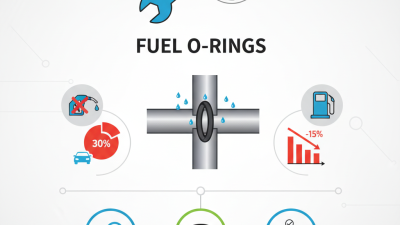
Additionally, ethylene propylene diene monomer (EPDM) O-rings are also effective for certain gases. Their chemical resistance makes them suitable for applications involving steam and hot water. Industry studies suggest that EPDM is less effective with oils and fuels, which can compromise its integrity. An analysis of failure rates in gasket applications showed that improper material selection resulted in up to 30% of premature failures.
Another material to consider is silicone, known for its flexibility and high-temperature tolerance. However, its gas permeability can vary significantly, with some grades allowing gas diffusion far more than others. Users often report mixed results when using silicone O-rings in gas applications. The inconsistency may lead to unexpected failures, which highlights the importance of thorough material testing and validation in real-world scenarios.
Evaluating Temperature and Pressure Ratings
When selecting gas resistant O-rings, understanding temperature and pressure ratings is crucial. These ratings dictate how well an O-ring will perform in specific environments. Each material reacts differently under heat and pressure. For instance, some materials can withstand high temperatures but fail under pressure. Others may excel at lower temperatures but struggle in high-pressure situations.
It’s vital to know the operational conditions of your application. For high-pressure environments, consider O-rings made from materials like fluorocarbon or silicone. They offer excellent sealing capabilities under pressure. However, they may not be suitable for extreme temperatures. You might find that a material which works great at room temperature fails when exposed to heat.
Evaluating the compatibility of O-ring materials with the gases they're exposed to also matters. This helps to prevent failure. Misjudgments can lead to leaks or equipment damage. Pay attention to both the temperature and pressure ratings. Overlooking these factors could result in costly failures and unexpected downtime.
Proper Sizing and Tolerances for Optimal Performance
Choosing gas-resistant O-rings requires precise attention to sizing and tolerances for optimal performance.
Sizing is crucial. Incorrect dimensions can lead to leaks, affecting system integrity. According to a report from the Society of Plastics Engineers, even a minor deviation in O-ring diameter can increase the failure rate by 30%.
A reliable sizing method ensures a snug fit, essential for gas applications.
Tolerances also play a significant role. Manufacturers often provide specific tolerance ranges.
These ranges help maintain functionality under varying pressure and temperature. A study published in the Journal of Polymer Science outlined that
O-rings with tighter tolerances improved gas retention by nearly 25%. It’s essential to balance between precision and flexibility in manufacturing processes.
However, achieving this balance can be challenging.
While many professionals prioritize material properties, they often overlook sizing factors.
Flawed tolerances can compromise even the best materials. Engineers should not just rely on standardized measurements.
Instead, testing in real-world conditions is vital for reliability. Sometimes, it takes repeated iterations before finding the right approach.
Investing in proper analysis tools can prevent costly mistakes later.
Maintenance and Replacement Tips for O Rings
Maintaining gas-resistant O-rings is crucial for optimal performance. Regular inspections should be part of your routine. Look for signs of wear, cracks, or swelling. These issues can suggest degradation. Even minor damage may lead to leaks, which can be hazardous. Replace any O-ring that shows significant wear promptly.
When it comes to replacement, choosing the right material matters. Not all O-rings are created equal. For gases, materials like nitrile or fluorocarbon are often recommended. Ensure the new O-ring fits snugly. A poor fit can compromise the seal. It's wise to store spare O-rings in a climate-controlled environment. This can extend their lifespan.
Keep in mind that O-rings have a limited lifespan, even with good maintenance. Monitor their performance regularly. If you notice a decline in sealing efficiency, act quickly. Don’t wait for a minor issue to escalate into a major problem. Investing time in maintenance can save money in the long run.
Essential Tips for Choosing Gas Resistant O Rings
| Dimension |
Material |
Temperature Resistance (°C) |
Gas Compatibility |
Common Applications |
| 10 mm ID |
Nitrile (NBR) |
-40 to 100 |
Natural Gas |
Petrochemical Sealing |
| 12 mm ID |
Fluoroelastomer (FKM) |
-20 to 200 |
Hydrogen |
Chemical Processing Equipment |
| 15 mm ID |
Silicone |
-60 to 180 |
Oxygen |
Medical Equipment |
| 20 mm ID |
EPDM |
-40 to 120 |
Ammonia |
Water Treatment Systems |