How to Source Quality Molded Rubber Components Easily?
Sourcing quality Molded Rubber Components can be a challenging process. Many factors influence the outcome, from material selection to manufacturing techniques. Understanding these factors is crucial for success.
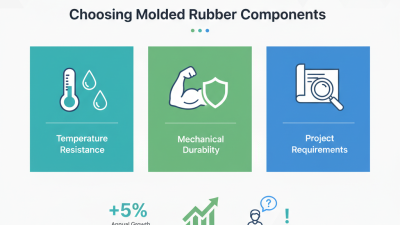
One must assess the needs of the application carefully. Different projects require specific properties, such as durability and flexibility. Not every supplier offers the same quality. Research plays a vital role in identifying reliable manufacturers. It’s essential to check their credentials and past work.
Delving into user reviews and case studies provides a clearer picture. Personal experience with different suppliers can reveal hidden pitfalls. Not every option meets expectations. Reflecting on the sourcing process can improve future decisions. Quality sourcing is not just about finding suppliers; it’s about building lasting partnerships.
Understanding Molded Rubber Components and Their Applications
Molded rubber components play a crucial role in various industries, including automotive, aerospace, and consumer goods. These components are made from a mixture of rubber and other materials, molded into specific shapes and sizes. Their flexibility, durability, and resistance to harsh conditions make them indispensable. Understanding their applications can lead to better design choices and cost efficiencies.
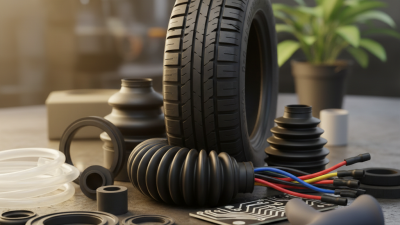
In automotive applications, molded rubber is often used for gaskets, seals, and vibration dampers. For example, engine mounts must endure heat and stress, making quality crucial. In electrical equipment, molded rubber insulators protect components from moisture and electrical interference. Each application requires specific material properties, which can complicate the sourcing process. Not all suppliers offer the same quality, and this can lead to challenges later on.
Manufacturers must be diligent when selecting suppliers. Verify the quality of materials and ask about their production processes. It's important to ask about certifications and quality assurance measures taken. Some issues may arise, such as unexpected delays or discrepancies in specifications. These problems can affect the final product's performance. Focus on building strong relationships with reliable suppliers to mitigate risks.
Identifying Quality Standards for Molded Rubber Components
When sourcing molded rubber components, understanding quality standards is crucial. Quality standards ensure that products meet specific criteria for safety, durability, and performance. The International Organization for Standardization (ISO) provides frameworks such as ISO 9001, emphasizing effective quality management systems. This serves as a foundation for companies aiming for high-quality production processes.
A recent report by the Rubber Manufacturers Association indicates that adhering to these standards can improve product reliability by up to 30%. Companies that invest in quality assurance often see reduced defect rates. However, many manufacturers overlook the complexities involved in achieving compliance. Detailed inspections and rigorous testing can add costs, and not all businesses are prepared for such investments.
Furthermore, industry data suggests that nearly 40% of molded rubber products fail to meet established quality benchmarks. Manufacturers face challenges in material selection and curing processes. It’s essential to examine the formulations used in production. Even small deviations can lead to compromised product integrity. Effective communication with suppliers can improve compliance, yet many companies still struggle with transparency in their supply chains. Ensuring high-quality molded rubber components requires ongoing effort and attention to detail.
How to Source Quality Molded Rubber Components Easily? - Identifying Quality Standards for Molded Rubber Components
| Criteria |
Description |
Importance Level (1-5) |
Quality Standard |
| Material Quality |
Use of high-quality polymers |
5 |
ASTM D2000 |
| Manufacturing Process |
Precision molding techniques |
4 |
ISO 9001 |
| Durability |
Resistance to wear and tear |
5 |
SAE J200 |
| Compliance |
Regulatory compliance adherence |
5 |
RoHS, REACH |
| Testing Protocols |
Standardized testing methods |
4 |
ISO 527 |
Essential Factors in Selecting a Reliable Supplier
When selecting a reliable supplier for molded rubber components, several essential factors must be considered. First, assess the supplier’s experience in the industry. A supplier with over ten years of expertise can often provide insights into quality control processes. According to a 2022 industry report, 75% of successful businesses prioritize supplier experience to mitigate risks.
Additionally, evaluating material sourcing is crucial. Quality rubber components depend heavily on the raw materials used. Suppliers who offer certifications for their materials often demonstrate a commitment to quality. Studies indicate that 65% of production issues stem from subpar materials. Engaging with suppliers who implement stringent testing protocols on their materials is advisable.
Lastly, communication plays a pivotal role in supplier relationships. Clear and efficient dialogue can reveal a supplier’s reliability. An often overlooked aspect is responsiveness to inquiries. A prompt reply can indicate a supplier’s commitment to customer service. Approximately 58% of businesses report that insufficient communication led to delays in production. Taking the time to evaluate these factors can lead to more beneficial partnerships and improved product quality.
Effective Techniques for Evaluating Supplier Capabilities
Evaluating supplier capabilities for molded rubber components requires a structured approach. Research indicates that companies sourcing rubber components face challenges in consistency and reliability. Approximately 50% of manufacturers reported encountering issues with supplier quality and delivery times. This highlights the need for a thorough evaluation process.
One effective technique is to review the supplier's certifications and quality control measures. Look for ISO 9001 certification, which indicates a commitment to quality management. Additionally, assessing the supplier's production capacity and technology is crucial. Suppliers with advanced equipment can ensure better precision and consistency. Industry data shows that suppliers employing modern manufacturing technologies produce components with a defect rate of less than 0.5%.
Visiting the supplier's facility offers invaluable insights. It allows you to observe their operations and workforce conditions directly. During the visit, assess their materials sourcing practices. Reliable suppliers often have strong partnerships with raw material providers, ensuring steady quality. A survey highlighted that companies engaging in regular supplier audits reported a 35% reduction in quality-related incidents.
Tips for Establishing Strong Relationships with Suppliers
When sourcing quality molded rubber components, strong supplier relationships are key. Research indicates that 70% of manufacturers cite supplier reliability as crucial for operational success. Trust and communication can enhance collaboration, leading to better product quality and service.
Building a solid foundation involves consistent engagement. Regular visits to suppliers can foster a deeper understanding of their processes. Listening to their challenges can reveal opportunities for innovation. Trade shows are excellent venues for connecting with potential partners. They provide insights into industry trends and supplier capabilities.
Establish clear expectations early on. Share detailed specifications and timeline requirements to avoid misunderstandings. Be open to feedback and adjust your requirements as needed. This flexibility can strengthen negotiation power. Remember, a successful partnership goes both ways; nurturing your suppliers can lead to enhanced outcomes. Thus, investing time in these relationships is not just beneficial but essential for sourcing high-quality molded rubber components effectively.