How to Select the Right Thread O Ring for Your Project?
Choosing the right Thread O Ring can greatly impact your project's success. These rings are integral in creating airtight seals for various applications. Understanding their specifications is essential for ensuring durability and effectiveness.
Different projects require unique thread O Ring sizes, materials, and shapes. Failure to select the proper one may lead to leaks and inefficiencies. Consider the environment, pressure, and temperature your O Ring will face. Knowledge of these factors enhances reliability.
Many overlook the importance of quality in O Ring selection. Cheap options can compromise safety and functionality. Reflect on the long-term costs associated with failures due to poor choices. A thorough understanding of your project requirements is critical for making informed decisions.
Understanding the Basics of Thread O Rings and Their Applications
Understanding the basics of thread O rings is essential for various applications in industries. These seals are crucial for preventing leaks in hydraulic systems, pneumatic tools, and more. According to a report by the International Sealing and Gaskets Association, the global demand for O rings is projected to grow by 5% annually over the next five years. This growth reflects their critical role in ensuring operational efficiency.
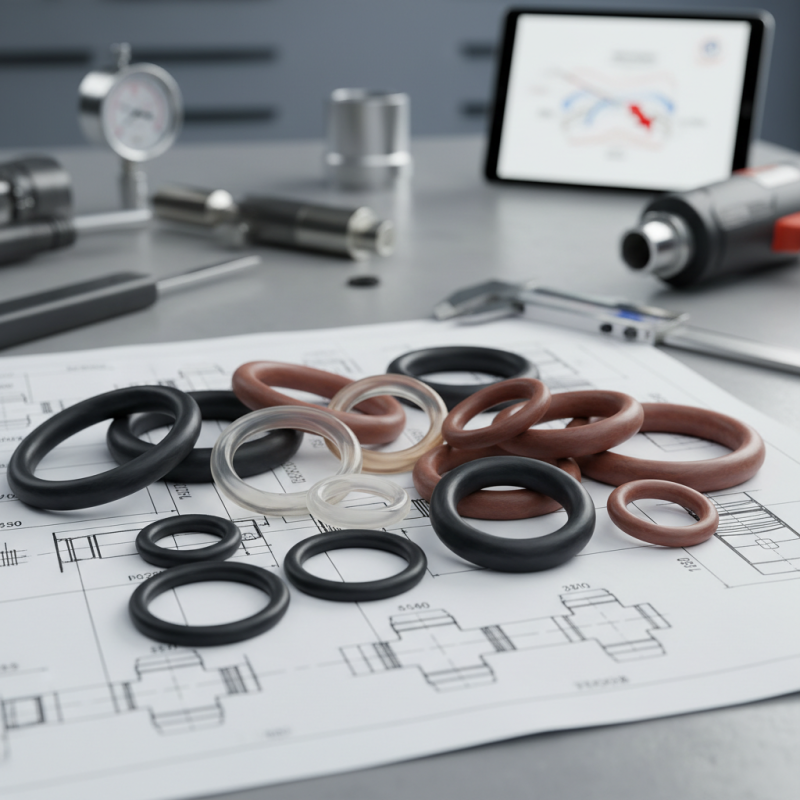
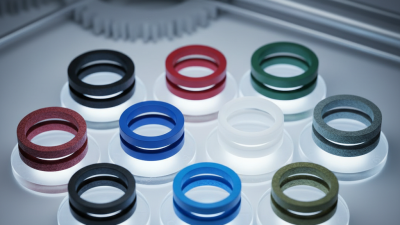
Thread O rings come in various materials, including elastomers and thermoplastics. Each material serves different purposes and has unique advantages. For instance, fluorocarbon O rings are resistant to high temperatures and aggressive chemicals. However, they may not be sufficient for all applications, leading to potential failures. In contrast, nitrile rubber O rings offer good sealing capabilities but may not withstand extreme conditions. Evaluating these materials based on the project's specific requirements is vital, yet many professionals overlook this detail.
Proper installation of thread O rings is another aspect that cannot be ignored. Incorrect placement may result in premature wear and failure. A study by the Society of Automotive Engineers highlighted that over 30% of seal failures could be traced back to installation errors. This underscores the necessity of training and expertise in selecting and installing O rings effectively. Addressing these elements leads to improved performance and reduced maintenance costs in machinery and systems.
Identifying Key Factors in Thread O Ring Selection
When selecting a thread O-ring, several key factors come into play.
Material compatibility is crucial.
Different applications may require O-rings made from various substances.
Consider the temperature, pressure, and chemical exposure your project will face.
Choosing an improper material could lead to failure.
If unsure, consult material data sheets for insights.
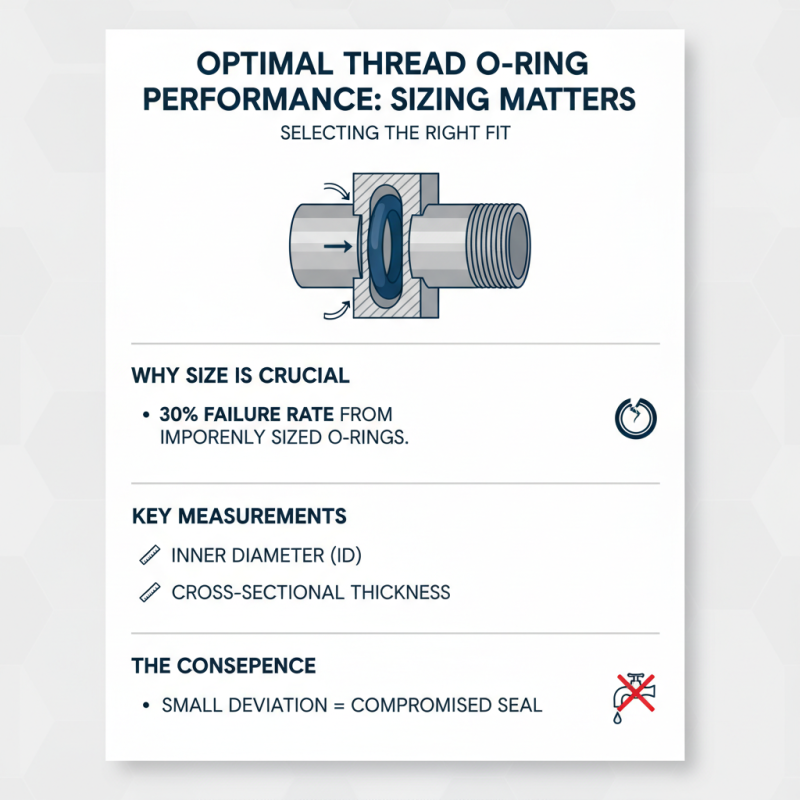
Sizing is another important aspect.
The right diameter and cross-section affect performance.
Measure the grooves accurately; don’t guess. A loose fit can lead to leaks, while a tight fit may cause damage.
Use calipers for precise measurements.
Tips can simplify the selection process.
Evaluate operating conditions early on.
This minimizes costly mistakes down the line.
Keep in mind that not all O-rings are equal.
Quality varies widely among manufacturers.
Therefore, do your research on reliability.
Don’t overlook the potential need for custom designs, especially for unique applications.
A tailored solution might offer the best results.
Reflections on past projects can inform better decisions now.
Materials and Durability: Choosing the Right O Ring for Your Needs
When choosing an O ring, material and durability are crucial factors. Different applications require various properties. For example, rubber O rings can handle moderate temperatures and pressures. Meanwhile, fluorocarbon O rings are ideal for high temperatures and aggressive chemicals. Selecting the right material can significantly impact the longevity and reliability of your project.
Tips: Always consider the operating environment. Examine temperature fluctuations and chemical exposure. If unsure, consult with a materials expert for guidance.
Another factor is the elasticity of the O ring. A more elastic O ring can provide a better seal in uneven surfaces. However, it may wear out faster than less elastic options. Assess your specific needs to find the best balance between performance and durability.
Tips: Keep a record of O ring performance. Take notes on failures and successes. This data can guide future selections and improve project outcomes.
Installation Tips and Best Practices for Thread O Rings
When installing thread O rings, precision is key. Ensure that the surface is clean and free from debris. Uneven surfaces can lead to leaks and failures. A small mistake here can lead to costly repairs. Use a soft cloth to wipe the area before placing your O ring.
Proper alignment is just as critical. Misalignment might seem minor, but it can compromise the seal. Take your time when positioning the O ring. It should sit evenly in the groove. If it looks off, don’t hesitate to adjust it. This can save you headaches down the road.
After installation, it's important to test the seal. A visual inspection isn’t enough. Conduct a pressure test if applicable. Look for any signs of leakage. If you spot an issue, reassess your work. Sometimes, errors occur even with the best plans. Learning from these experiences can enhance your skills. Following these practices can ensure a reliable installation of thread O rings.
Thread O Ring Selection: Material Types vs. Applications