Why Are Rubber Components Essential in Modern Manufacturing?
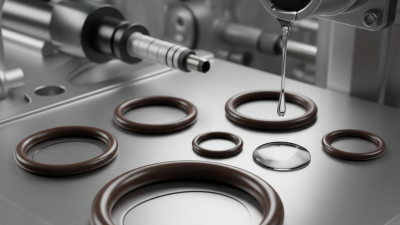
Rubber components play a crucial role in modern manufacturing. They are used in various industries, ensuring efficiency and safety. From automotive parts to medical devices, these elements are everywhere. Their flexibility and durability make them invaluable.
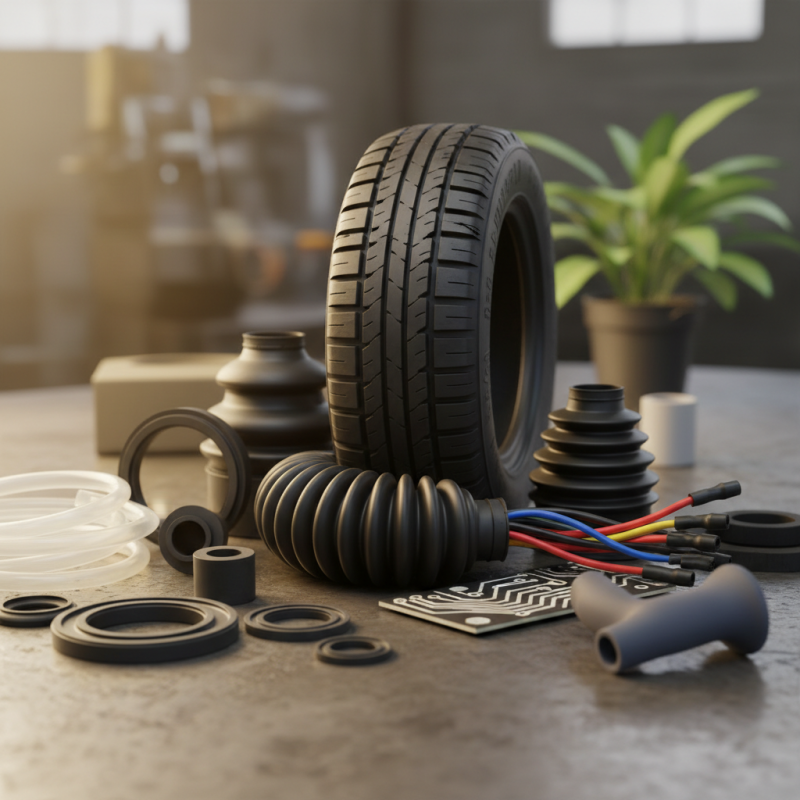
In the automotive sector, rubber components are found in tires, seals, and suspension systems. These parts absorb shocks and provide grip on roads. However, issues like wear and degradation can arise over time. Manufacturers must focus on quality and innovation to improve longevity.
Additionally, rubber components enhance safety in machinery. They are often used as insulation for electrical parts. This prevents accidents and improves reliability. Yet, the challenge remains in sourcing sustainable materials. Balancing performance and environmental impact requires ongoing reflection and effort from industry leaders.
The Role of Rubber Components in Manufacturing Processes
Rubber components play a crucial role in modern manufacturing processes. Their versatility makes them indispensable across various industries, from automotive to aerospace. In 2021, the global rubber market was valued at approximately $41 billion, with an expected growth rate of 4.7% annually through 2028. This data reveals how critical rubber has become in driving manufacturing efficiency.
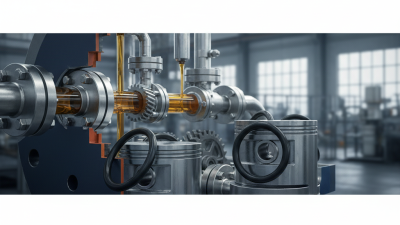
Rubber components, such as seals, gaskets, and hoses, are essential for ensuring precision and reliability. They adapt well to extreme temperatures and pressures. A study indicates that using high-quality rubber can increase machinery lifespan by up to 30%. It's important to choose the right rubber type for specific applications.
Tips: Always consider environmental factors when selecting rubber materials. Additionally, check for compliance with industry standards to avoid costly mistakes. Regular maintenance of rubber components is also key; neglect can lead to failures often overlooked until they result in significant downtime. Investing time in proper care can save money in the long run.
Types of Rubber Materials Used in Modern Manufacturing
In modern manufacturing, rubber components play a critical role. Various types of rubber materials are utilized for different applications. Natural rubber, known for its elasticity, is often used in seals and gaskets. It provides good resistance to wear and aging, making it a popular choice.
Synthetic rubber comes in many forms. Styrene-butadiene rubber (SBR) is common in tires. It offers durability and cost-effectiveness. Ethylene propylene diene monomer (EPDM) is great for outdoor applications. It resists UV rays and ozone. However, not all rubber types are suitable for every situation.
**Tip:** Always consider the specific requirements of your project. Testing different rubber materials can save time and costs later.
Polyurethane rubber is gaining popularity as well. It combines the best properties of synthetic and natural rubber. It is tear-resistant and has a wide range of hardness options. Nevertheless, it can be more expensive than traditional rubber materials.
**Tip:** Balance quality with budget constraints. Sometimes, cheaper options may lead to increased maintenance costs.
When selecting rubber components, one must reflect on long-term performance. Some materials may initially seem ideal but can degrade quicker. Regular assessments of material performance can help in making informed decisions.
Rubber Material Types Used in Modern Manufacturing
Applications of Rubber Components Across Various Industries
Rubber components play a crucial role in various industries. In automotive manufacturing, they are essential for seals and gaskets. A report from the Automotive Industry Association states that rubber parts account for over 20% of a vehicle's weight. This is significant for performance and safety. Rubber's flexibility allows it to absorb vibrations, enhancing ride comfort.
In the healthcare sector, rubber components are vital for medical devices. They ensure sealing and containment in devices like syringes and IV bags. According to a study by the Medical Device Manufacturer's Association, 30% of the materials used in these devices are rubber-based. This is a growing trend due to the rise in healthcare needs worldwide. However, challenges exist, such as ensuring the biocompatibility of rubber materials.
The construction industry also heavily relies on rubber. It is used in roofing membranes and flooring products. The demand for durable and weather-resistant materials is increasing. Studies show that rubber-based products can extend the lifespan of construction materials by 30%. Despite these advantages, sourcing sustainable rubber remains a concern. The industry must address these environmental issues moving forward.
Advantages of Using Rubber in Product Design and Functionality
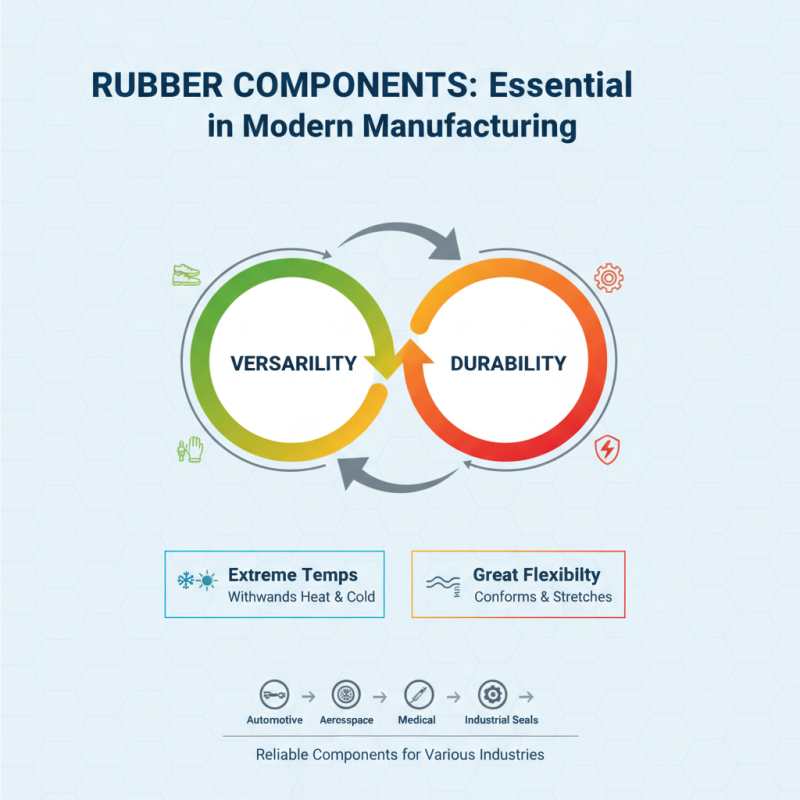
Rubber components play a vital role in modern manufacturing. Designers appreciate rubber for its unique properties. It is versatile and durable. These qualities make it essential in various products. Rubber can withstand extreme temperatures and offers great flexibility. This allows manufacturers to create reliable components for various industries.
The advantages of rubber in product design are numerous. Its ability to absorb shocks makes it ideal for applications like bumpers and seals. Rubber components can enhance functionality by reducing noise and vibration. Additionally, they provide excellent gripping surfaces, essential in tools and machinery. However, not all rubber materials are created equal. Some may degrade over time or lose their elasticity, which can lead to failures.
Designers must carefully select the right rubber type for each application. This requires awareness of potential limitations. Innovating with rubber also means exploring sustainable options. Biodegradable rubbers are emerging but can have mixed performance results. Finding a balance between cost, functionality, and sustainability is a complex challenge.
Challenges and Innovations in Rubber Component Manufacturing
Rubber components play a vital role in modern manufacturing. They are used in countless applications, from automotive parts to industrial machinery. Despite their importance, the manufacturing process faces significant challenges.
One major challenge is the consistency of material quality. Reports indicate that around 30% of rubber defects are due to variations in raw materials. This inconsistency can lead to product failures and increase production costs. Innovations in material science are addressing this issue. New formulations are being tested to improve durability and performance. Advanced mixing technologies are also emerging to ensure uniformity in production.
Tip: Regular quality checks can help mitigate risks in rubber component manufacturing. Simple testing methods can catch issues early.
Another challenge is the environmental impact of rubber manufacturing. Traditional processes are often not eco-friendly. Sustainable practices are becoming essential. The emergence of biobased rubbers is a promising innovation. These materials can reduce the carbon footprint significantly, attracting attention from eco-conscious manufacturers.
Tip: Consider integrating recycled materials in your production to enhance sustainability. This can reduce waste and improve your brand image.
Manufacturers must adapt to these obstacles and embrace innovations. The landscape of rubber component production is evolving rapidly. Listening to customer feedback can drive further improvements and fuel growth.
Why Are Rubber Components Essential in Modern Manufacturing? - Challenges and Innovations in Rubber Component Manufacturing
| Dimension |
Description |
Challenges |
Innovations |
| Durability |
Rubber components need to withstand wear and tear in various conditions. |
Degradation due to environmental factors. |
Development of advanced elastomer composites. |
| Flexibility |
Rubber's elasticity allows it to absorb shocks and vibrations. |
Limited range of motion under extreme conditions. |
Smart rubber that adjusts properties based on conditions. |
| Cost-effectiveness |
Rubber parts are often more affordable than metal counterparts. |
Prices of raw materials can vary significantly. |
Recycled rubber materials to reduce costs and environmental impact. |
| Customization |
Rubber components can be tailored to specific applications. |
Prototyping can be time-consuming and costly. |
3D printing technology for rapid prototyping. |
| Sustainability |
Increasing demand for eco-friendly materials. |
Environmental concerns over disposal of traditional rubber. |
Biodegradable rubber compounds under development. |