How to Replace a Gas Regulator O Ring for Safety?
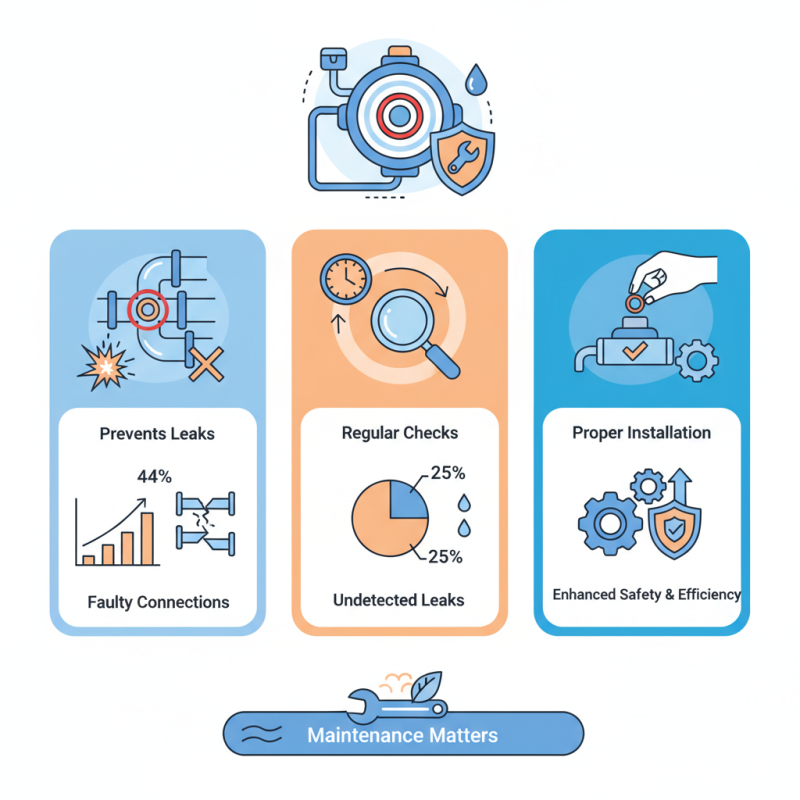
Replacing a gas regulator O ring is crucial for safety. Many homeowners overlook this important maintenance task. According to recent industry data, around 44% of gas-related incidents stem from faulty connections or damaged components. The gas regulator O ring plays a vital role in sealing connections, preventing gas leaks, and ensuring safe operation.
Regular checks can improve safety. However, many users neglect to inspect their regulators regularly. Statistics suggest that 25% of gas appliances have leaks that could be fixed with simple maintenance. Understanding the importance of the gas regulator O ring can prevent potential dangers associated with gas leaks.
Improper installation or old O rings can lead to larger issues. Users often underestimate how a small part can affect the entire system. This section will explore the best practices for replacing a gas regulator O ring, ensuring safety and efficiency. Proper maintenance not only enhances performance but also significantly reduces risks.
Understanding the Role of the Gas Regulator O Ring in Safety
The gas regulator O ring plays a critical role in ensuring safety. It creates a seal between the regulator and the gas source. A worn or damaged O ring can lead to leaks, which are dangerous. Leaks can cause explosions or harmful gas exposure. Regular inspections of the O ring can prevent these risks.
Understanding the signs of a failing O ring is crucial. Look for cracks, discoloration, or flattened edges. If you notice any of these issues, it’s time for a replacement. Replacing the O ring is a simple task, but attention to detail is vital. Ensure the new O ring is the correct size. A loose fit can also create leaks.
When replacing the O ring, clean the surface thoroughly. Any debris can affect the seal. Sometimes, it’s easy to overlook this step. A clean surface ensures a tighter fit and better performance. Safety should always come first, so take this task seriously. A small oversight can lead to significant consequences.
Identifying Signs That Your O Ring Needs Replacement
When it comes to gas safety, recognizing the signs of a worn O-ring is crucial. An O-ring that shows signs of deterioration can lead to leaks, posing serious risks. According to industry reports, faulty gas connections account for approximately 30% of gas-related accidents. This statistic highlights the importance of inspecting your O-ring regularly.
Look for visual signs first. Cracks, discoloration, or hardening are indicators that your O-ring is no longer effective. A simple inspection can save lives. Additionally, if you hear hissing noises near the regulator, it could mean a compromised O-ring. One study noted that leaks from defective seals caused over $5 million in damages last year alone.
Be mindful of other indicators, as well. If you experience gas odor, it's time to investigate further. Regular checks should not be ignored. One in five users reported delayed inspections, raising the risk of dangerous situations. Ensure that your equipment is always in top condition by keeping an eye on the O-ring. The right maintenance can prevent serious issues down the line.
Step-by-Step Guide to Safely Remove the Old O Ring
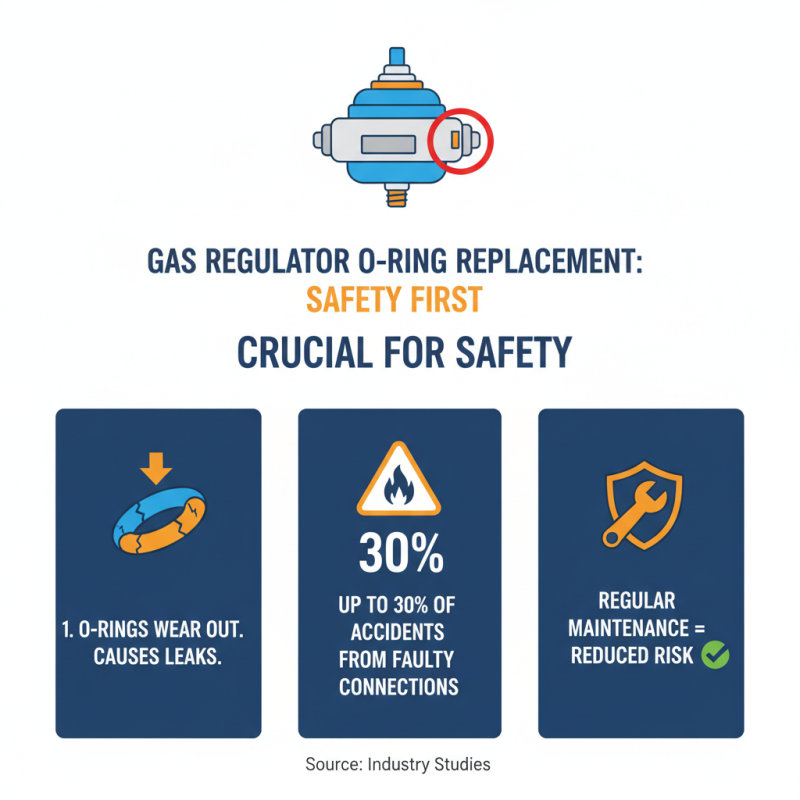
Replacing a gas regulator O ring is crucial for safety. O rings wear out over time, leading to potential leaks. Industry studies highlight that up to 30% of gas-related accidents stem from faulty connections. Regular maintenance can mitigate these risks.
When removing an old O ring, ensure the system is off. A simple twist can usually loosen it. However, remember that an O ring’s position can be tricky. Precision is key; a slight misalignment could cause leaks. Use a soft cloth to clean the area before inserting the new O ring. This step is often overlooked but essential for ensuring a good seal.
After replacement, inspect for any leaks. A visual check is helpful, but using soapy water is recommended. This method can reveal hidden leaks. Maintain awareness; improper installation could lead to serious hazards. Always prioritize safety during this process.
How to Properly Install a New Gas Regulator O Ring
When replacing a gas regulator O-ring, proper installation is crucial for safety. Begin by gathering your tools: a clean workspace, a flat-head screwdriver, and lubricant. Make sure the area is well-ventilated. It’s essential that gas lines are turned off and disconnected before starting the process. Any mistake can be fatal.
Once you have everything ready, check the old O-ring for wear. Sometimes, it can be cracked or hardened. Clean the groove where the O-ring sits. Apply a small amount of lubricant to the new O-ring before placing it in. This helps it seat properly and prevents misalignment. Take your time. Rushing can lead to installing the O-ring incorrectly.
After you’ve placed the new O-ring, reassemble the regulator carefully. Ensure everything fits snugly. It’s easy to overlook that last piece. After the installation, test for leaks by using soapy water on the joints. Any bubbles will indicate a problem. Addressing these issues early on can save you complications later. Always trust your instincts and double-check your work.
How to Replace a Gas Regulator O Ring for Safety? - How to Properly Install a New Gas Regulator O Ring
| Step |
Description |
Tools Required |
Safety Precautions |
| 1 |
Turn off the gas supply to avoid leaks during the replacement. |
None |
Ensure the area is well-ventilated. |
| 2 |
Remove the old O-ring from the regulator. |
Pliers |
Wear gloves to protect your hands. |
| 3 |
Clean the surface where the new O-ring will be installed. |
Cleaning cloth |
Check for any gas leaks while cleaning. |
| 4 |
Install the new O-ring carefully to ensure a proper fit. |
New O-ring |
Avoid using excessive force to avoid damage. |
| 5 |
Reattach the regulator securely. |
Wrench |
Double-check connections for tightness. |
| 6 |
Turn the gas supply back on and check for leaks. |
Soap solution |
Keep a fire extinguisher nearby. |
Testing for Leaks After Replacing the O Ring
After replacing a gas regulator O-ring, verifying for leaks is vital. The integrity of the gas system hinges on a secure seal. Industry data indicates that nearly
30% of gas-related incidents stem from faulty connections and leaks. This emphasizes the need for thorough testing post-repair.
To test for leaks, use a solution of soap and water. Apply it directly to the O-ring seal. Bubbles forming indicate a leak. This simple method is effective and requires no specialized tools.
The National Fire Protection Association recommends this technique for all gas connections. It promotes safety and helps prevent accidents.
It's easy to overlook such tests. Some may assume the task is complete after replacing the O-ring. Yet, neglecting this crucial step can lead to serious consequences. Always take a moment to
check for leaks. This practice not only ensures functionality but significantly enhances safety. Remember, prevention is better than cure.