Why Choose Molded Rubber Parts for Your Manufacturing Needs?
In today's manufacturing landscape, the demand for reliable and efficient components is ever-growing. Molded Rubber Parts have emerged as a preferred choice across various industries, including automotive and aerospace. According to a report by MarketsandMarkets, the global molded rubber market is projected to reach $48.3 billion by 2025. This highlights a considerable shift in manufacturing preferences.
Industry expert Dr. Emily Carter states, "Molded Rubber Parts deliver not just durability but also flexibility in design." This adaptability is essential as manufacturers seek to innovate and enhance product performance. Companies are turning to molded rubber for its significant benefits, such as resistance to wear and thermal stability.
However, the path is not entirely smooth. Quality control remains a critical challenge. Manufacturers must ensure consistent quality throughout production. Even slight variations can lead to failures in critical applications. As businesses consider molded rubber, they must weigh both its advantages and potential downsides. Understanding the balance is key to maximizing its benefits.
Benefits of Using Molded Rubber Parts in Manufacturing Industries
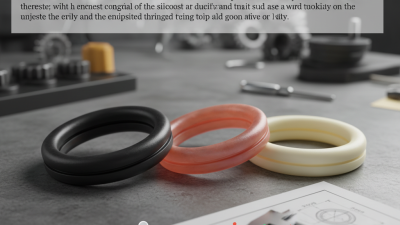
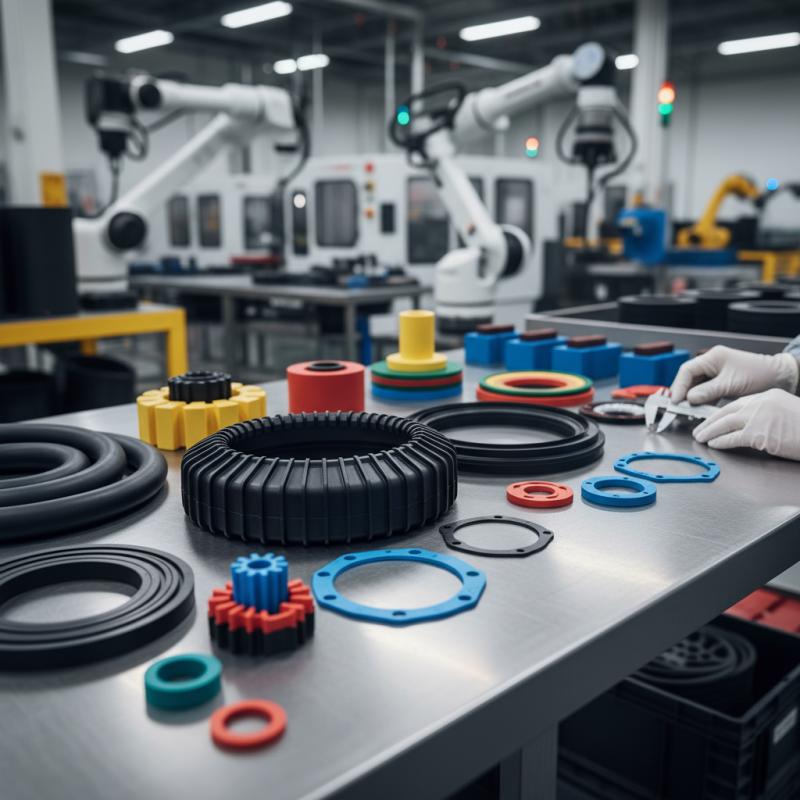
Molded rubber parts offer numerous benefits in manufacturing. They are lightweight yet durable, making them ideal for various applications. This material excels in high-stress environments. Its flexibility provides unique functionality in seals and gaskets. The molding process allows for complex designs, accommodating different specifications.
One drawback is that the initial setup costs can be high. Companies must weigh this against the long-term savings. However, the reduced wear and tear can lead to less frequent replacements. Molded rubber parts also offer excellent resistance to temperature changes. This characteristic is crucial in many industries, including automotive and aerospace.
The production speed is another key factor. Once the molds are created, parts can be produced quickly. This accelerates the manufacturing timeline and improves efficiency. That said, quality control must be maintained throughout the process. Small defects can escalate into larger issues. Continuous monitoring is vital to ensure optimal performance.
Key Applications of Molded Rubber in Automotive and Aerospace Sectors
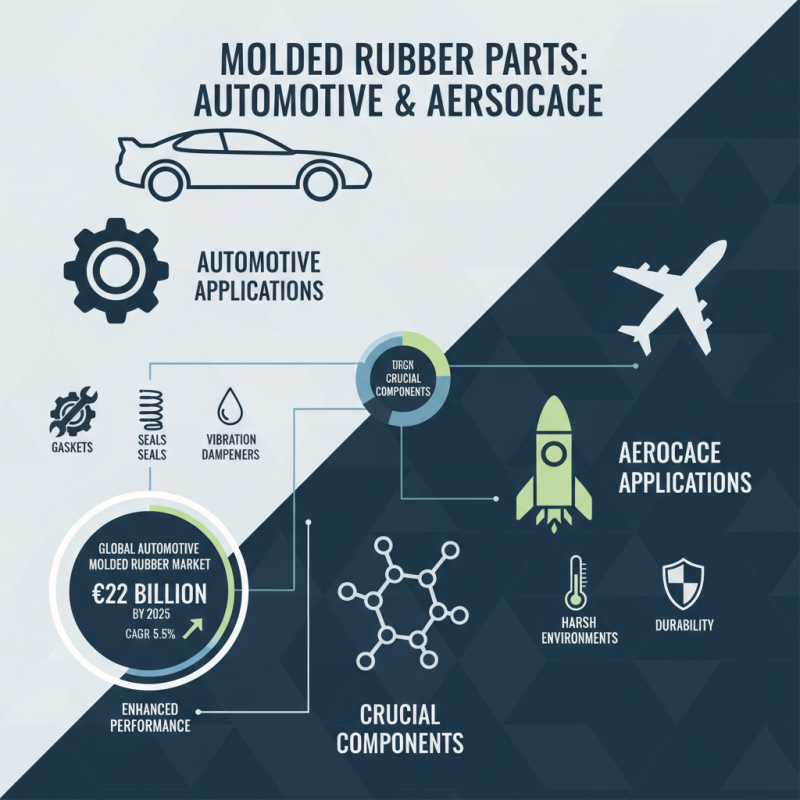
Molded rubber parts have become crucial in automotive and aerospace industries. These parts can withstand harsh environments. In automotive applications, they are used in gaskets, seals, and vibration dampeners. According to a recent industry report, the global automotive molded rubber market is set to reach $22 billion by 2025, growing at a CAGR of 5.5%. This indicates the increasing reliance on high-quality molded rubber components for enhanced performance.
In aerospace, molded rubber components ensure safety and reliability. They are often used in engine mounts, seals for fuel systems, and insulation. Data from aerospace industry analysts shows that the demand for molded rubber is expected to rise due to the increasing number of air travel passengers. However, challenges remain. The complexity of rubber molding processes can lead to defects, affecting performance. Achieving the right balance in material properties is crucial for operational success.
Moreover, despite the durability of molded rubber, factors such as temperature and chemical exposure can compromise their integrity over time. Manufacturers must continuously evaluate material compatibility and application requirements to ensure long-term effectiveness. This ongoing assessment highlights the importance of innovation in materials science and production techniques.
Cost-Effectiveness and Durability of Molded Rubber Components
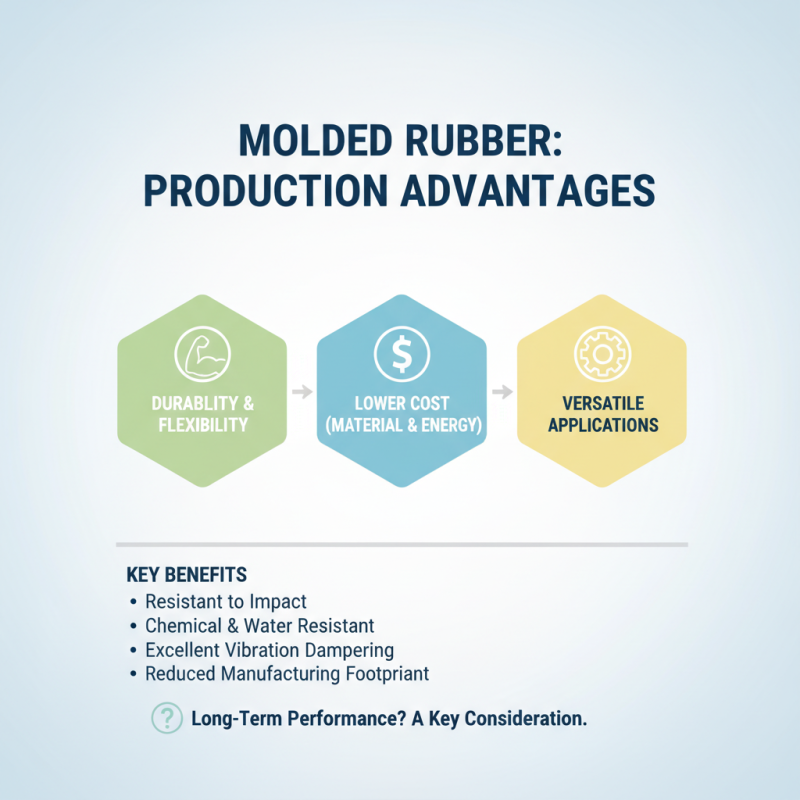
Molded rubber components offer significant cost-effectiveness in manufacturing. These parts are often affordable due to lower material costs and reduced waste during production. When molds are designed properly, each piece can be produced efficiently. This efficiency translates into savings for businesses. Companies can allocate these funds to innovate and expand.
Durability is another strong point of molded rubber. It can withstand extreme temperatures and harsh chemicals. This makes it suitable for a variety of applications. Moreover, the longevity of these components means less frequent replacements. That leads to more savings over time. However, not every type of molded rubber is created equal. Some may degrade faster depending on their environment. Manufacturers should always choose the right formulation.
Despite these advantages, it's crucial to consider potential downsides. Poor quality control may lead to defects. These issues can affect performance and safety. Regular inspections and proper testing are necessary. Ultimately, molded rubber parts can be an excellent choice for many applications. But exercising caution and diligence is essential.
Why Choose Molded Rubber Parts for Your Manufacturing Needs?
This chart illustrates the importance of various factors when choosing molded rubber parts for manufacturing. Cost-effectiveness ranks the highest, followed closely by durability and resistance to chemicals, highlighting why molded rubber components are a preferred choice in many industries.
Comparative Analysis: Molded Rubber vs. Alternative Materials in Production
When considering materials for production, molded rubber stands out. Its durability and flexibility make it ideal for various applications. In contrast to metals or plastics, molded rubber is often less expensive. It requires less energy to produce, which can lower costs significantly. However, some manufacturers worry about the long-term performance of rubber. Does it degrade over time? It's a question worth pondering.
Alternative materials offer different benefits. For example, metals provide stronger structural integrity. Yet, they can be heavy and expensive. Plastics may be lightweight, but they are often less durable than rubber. Each material has its advantages and pitfalls. Molded rubber excels in applications requiring resilience and resistance to wear. Nonetheless, it might not be suitable for high-temperature conditions.
On the other hand, recycled materials are becoming popular, but their consistency can be an issue. Using them may result in unpredictable performance. Molded rubber typically avoids such variability, making it a reliable choice. Yet, manufacturers must assess their specific needs carefully. The decision between molded rubber and alternatives should reflect the project's unique requirements.
Industry Statistics on the Demand for Molded Rubber Parts in 2023
In 2023, the demand for molded rubber parts has shown remarkable growth across various industries. Statistics reveal that the automotive and aerospace sectors are the largest consumers. Manufacturers value these parts for their durability. They are often more resistant to wear and tear than alternatives. In many applications, molded rubber offers superior sealing capabilities, which is essential for preventing leaks.
It's interesting to note that the demand also stems from emerging sectors like renewable energy. Wind turbine components increasingly rely on these parts for efficiency. However, challenges exist. Not all manufacturers can keep up with the rapid technological advancements in rubber molding. Some struggle with production consistency, leading to quality issues. This requires reflection on processes and improvement strategies.
Additionally, sustainability has become a critical focus. Consumers seek eco-friendly options in all markets. Manufacturers must adapt their practices to match these expectations. The pressure to innovate is high, and it can be daunting. Overall, while the industry thrives, it faces obstacles that demand attention.
Why Choose Molded Rubber Parts for Your Manufacturing Needs? - Industry Statistics on the Demand for Molded Rubber Parts in 2023
| Region |
Market Size (Million USD) |
Growth Rate (%) |
Main Applications |
| North America |
1,500 |
3.5 |
Automotive, Aerospace |
| Europe |
1,200 |
4.0 |
Medical, Consumer Goods |
| Asia-Pacific |
2,000 |
5.5 |
Electronics, Industrial |
| Latin America |
600 |
2.8 |
Construction, Agriculture |
| Middle East & Africa |
400 |
3.0 |
Oil & Gas, Mining |