What is a Gas Regulator O Ring and Its Importance for Buyers?
In the world of gas regulation, the Gas Regulator O Ring plays a crucial role. This small yet essential component ensures the safe and efficient operation of gas systems. Understanding its function is vital for buyers.
A Gas Regulator O Ring seals connections within the regulator. This prevents gas leaks, which can pose serious safety risks. Buyers often overlook its importance, leading to potential failures in gas systems. Quality matters. A reliable O Ring can enhance the longevity of the regulator.
Buyers should consider the materials used in O Rings. Different types suit various applications. Choosing the wrong one might cause issues. You may need to replace it sooner than expected. Understanding these details can lead to more informed purchasing decisions. The Gas Regulator O Ring deserves attention for safety and reliability.
What is a Gas Regulator O Ring?
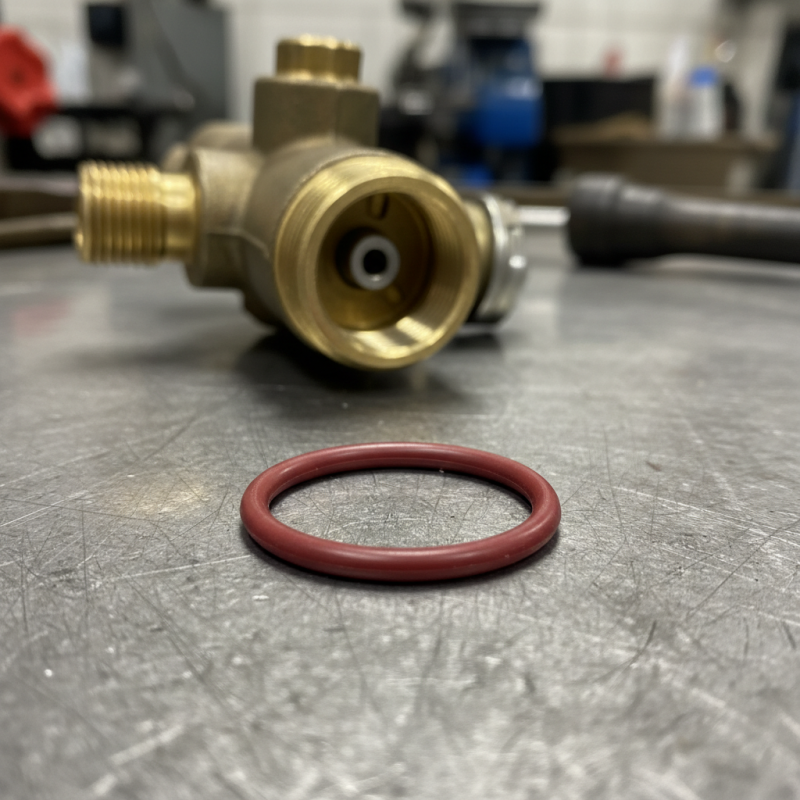
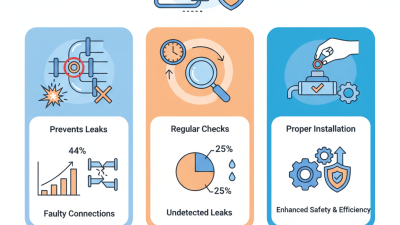
A gas regulator O ring is a crucial component in gas systems. It is a round rubber seal that fits into a groove in the gas regulator. Its primary function is to prevent gas leaks. This small but mighty part ensures that the gas flows safely through the system. Without it, even a slight crack could lead to hazardous leaks.
The importance of the O ring cannot be overstated. A worn or damaged O ring can cause serious issues. Regular inspections are necessary to maintain safety standards. Buyers should be aware of the different materials used for O rings. Some are better suited for high-pressure environments than others. If the O ring is not suitable for your application, it may not perform effectively.
Consider the O ring’s role in your gas system. It might seem minor, yet its failure can lead to costly repairs and safety hazards. Investing in quality O rings can enhance reliability. Educating oneself about these components contributes to better decision-making. A small oversight can result in significant issues.
Gas Regulator O Ring Importance Analysis
The Function of a Gas Regulator O Ring in Gas Systems
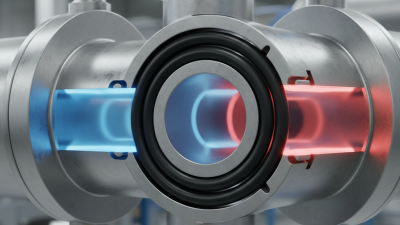
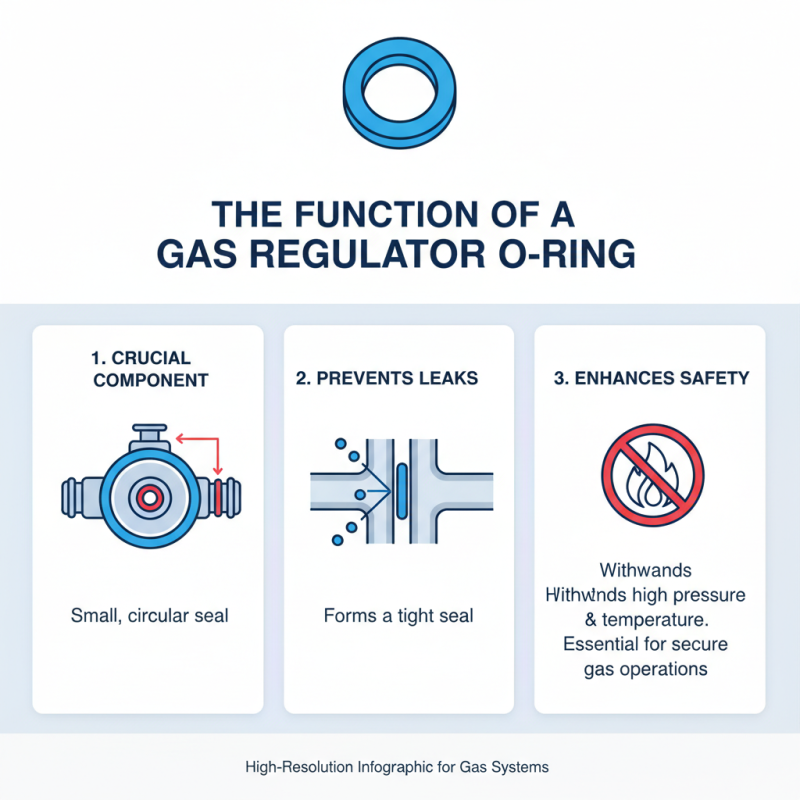
Gas systems rely heavily on components like gas regulators. A crucial part of these regulators is the O ring. This small, circular sealing element is vital for preventing gas leaks. The O ring's material can withstand high pressures and temperatures. Properly installed, it ensures a tight seal, enhancing safety in gas operations.
Gas regulator O rings come in various sizes and materials, tailored to different applications. Users often overlook these components, leading to potential hazards. A damaged O ring can cause leaks, which may result in dangerous gas accumulation. Regular checks and replacements are necessary to maintain safe gas system function. Understanding the role of the O ring can save you from costly repairs and safety issues.
It’s important to identify the right O ring for your specific gas regulator. An incorrect choice may compromise safety. Buyers should seek advice from professionals in the field. Learning about O rings is essential for anyone involved in gas systems. The importance of these small parts should not be underestimated.
Common Materials Used for Gas Regulator O Rings
Gas regulator O rings play a crucial role in the safe and efficient operation of gas systems. These small but vital components act as seals, preventing leaks and ensuring a secure fit between the regulator and gas lines. A leak can be hazardous, making the quality of O rings essential for safety.
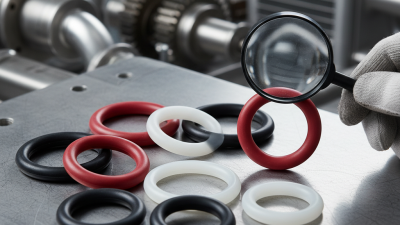
Common materials used for gas regulator O rings include rubber, silicone, and fluorocarbon. Rubber O rings are popular due to their flexibility and resilience. They perform well under typical conditions. However, they may not withstand extreme temperatures. Silicone O rings offer better temperature resistance but can be less durable. Fluorocarbon materials provide excellent chemical resistance, making them suitable for harsh environments.
However, selecting the right material can be tricky. Some factors include temperature variations and chemical exposure. Buyers should research the specific application and requirements. Not all O rings are interchangeable, and using the wrong type can lead to failure. Understanding these materials is vital before making a purchase. This knowledge can ensure reliability and safety in gas applications.
What is a Gas Regulator O Ring and Its Importance for Buyers? - Common Materials Used for Gas Regulator O Rings
| Material |
Temperature Resistance (°C) |
Chemical Resistance |
Applications |
| Nitrile (Buna-N) |
-40 to 120 |
Oil, Fuel |
Gas Regulators, Automotive |
| EPDM |
-40 to 150 |
Water, Steam |
Plumbing, Heating Systems |
| Fluoroelastomer |
-20 to 200 |
Chemical, High Temp |
Aerospace, Oil & Gas |
| Silicone |
-50 to 200 |
Water, Low Chemicals |
Food Industry, Medical |
| Polyurethane |
-30 to 90 |
Ozone, Weathering |
Industrial Equipment |
Signs of Wear and Tear in a Gas Regulator O Ring
Over time, gas regulator O rings can show signs of wear and tear. Recognizing these indicators is crucial for maintaining safety and efficiency in gas systems. A well-functioning O ring creates a proper seal, preventing leaks that could lead to hazards.
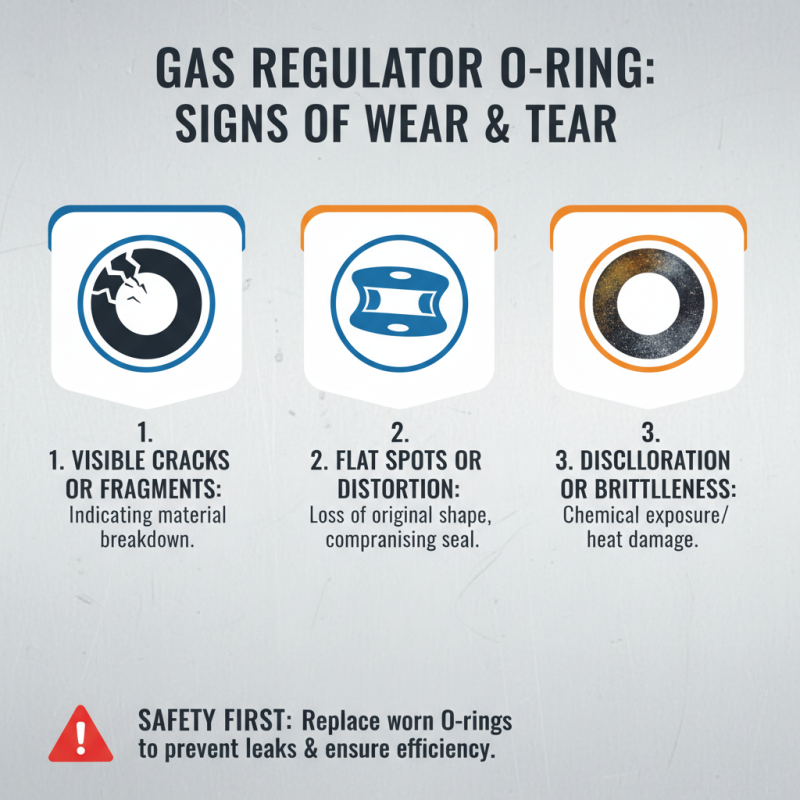
Common signs of deterioration include cracks, brittleness, and swelling. According to industry reports, approximately 30% of gas leaks are attributed to faulty seals. Regular inspection is vital. When you notice any unusual wear, it’s time to replace the O ring immediately. Delaying this could result in more significant issues down the line.
Tips: Always check for a snug fit when replacing an O ring. Ensure compatibility with the gas type in use. When in doubt, consult with professionals. They can provide insight based on expertise and experience in the industry. A proactive approach to maintenance can save costs and ensure safety.
Tips for Choosing the Right Gas Regulator O Ring
When it comes to gas regulators, the O ring plays a vital role. It ensures a tight seal, preventing gas leaks. Choosing the right O ring is essential for safety and efficiency. Look for materials that withstand temperature fluctuations. Rubber and silicone are common choices, but each has its specific advantages.
Consider the size and thickness of the O ring. A mismatch can lead to failure. Measure the dimensions accurately before making a purchase. Some people overlook this step and regret it later. Don’t forget to check the compatibility with your gas regulator. A proper fit enhances functionality and reduces risks.
While price is often a factor, it isn’t everything. Cheaper O rings might not offer the durability you need. Think about long-term value instead. Investing in quality can prevent future headaches. Quality assurance documents are worth reviewing. This reflects the product's reliability.