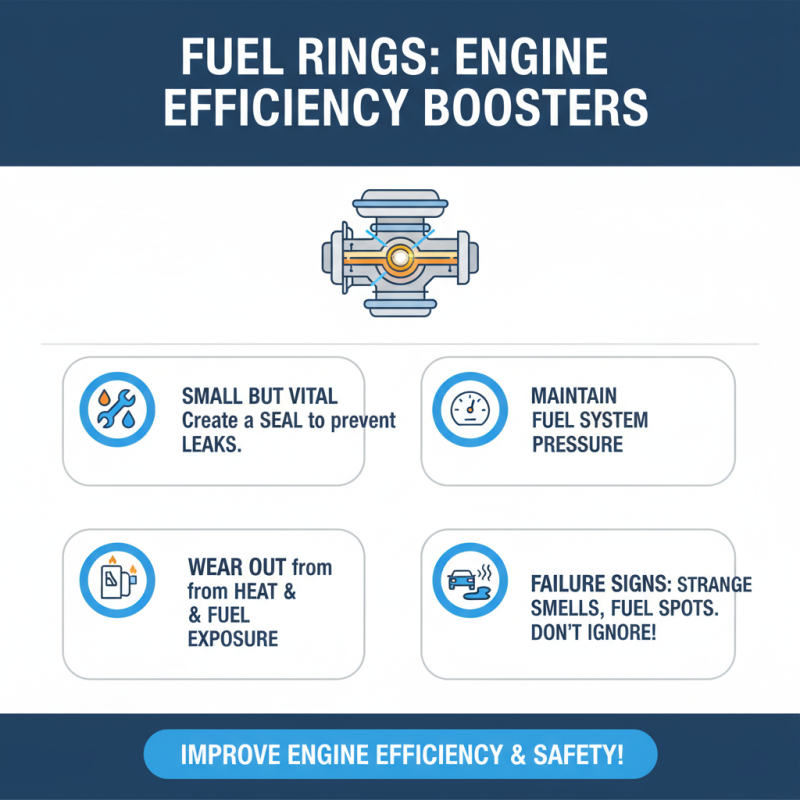
What is Fuel O Rings and How Do They Work?
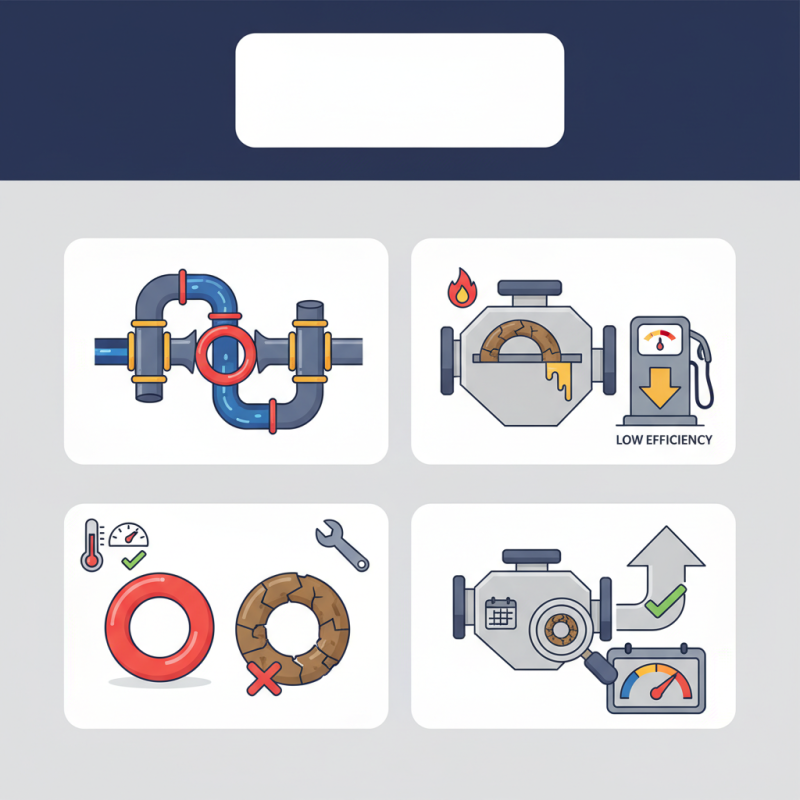
Fuel O Rings are essential components in many fuel systems. They create a seal between different parts, preventing leaks. Their role is crucial in maintaining fuel efficiency and engine performance. Without proper sealing, fuel can leak, leading to potential hazards and inefficiencies.
These rings are often made from rubber or silicone. They can withstand high temperatures and pressures in an engine. However, the materials can degrade over time due to heat and exposure to fuel. Drivers often overlook this issue until they notice performance drops or fuel leaks. Regular maintenance is key.
Replacing worn-out Fuel O Rings can prevent larger problems. Ignoring them might lead to costly repairs or diminished engine life. It’s vital to check these components periodically. Fuel O Rings may be small, but their impact is significant. Their proper function is necessary for safe and efficient operation.
What are Fuel O Rings?
Fuel O Rings are essential components in various engines and fuel systems. They are designed to create airtight seals that prevent fuel leaks. Made from durable materials like rubber or silicone, these O rings withstand extreme temperatures and pressures. Their primary role is to ensure the efficient delivery of fuel. According to industry reports, poorly functioning O rings can lead to significant fuel losses, sometimes up to 20% in certain systems.
These components are often overlooked in maintenance checks. A worn or damaged O ring can cause fuel to leak, resulting in poor engine performance. Interestingly, research indicates that routine inspections can extend the lifespan of O rings by up to 30%. This highlights the need for regular maintenance. Many users neglect this practice, often leading to costly repairs and decreased efficiency in fuel consumption.
Understanding the importance of Fuel O Rings is crucial. Their effectiveness directly impacts overall engine performance. Ignoring their condition can lead to inconvenient breakdowns. Industry data emphasizes that replacing old or damaged O rings can improve fuel efficiency by as much as 15%. Thus, regular checks of these seals are vital for any vehicle's longevity.
The Purpose of Fuel O Rings in Engine Systems
Fuel O-rings play a crucial role in engine systems. They ensure a secure seal in various parts of the fuel system, preventing leaks. These rings maintain pressure in fuel lines and help engines operate efficiently. A tight seal keeps fuel from escaping. This is essential for maintaining performance.
Research indicates that more than 70% of fuel system issues are related to O-ring failures. These failures can lead to performance issues, increased emissions, and fuel wastage. The right material for the O-rings has a significant impact. Examples include Viton, which is highly resistant to fuel and temperature variations.
Tips: Regularly inspect O-rings for signs of wear. Look for cracks or discoloration. Replace them immediately if you notice damage. Additionally, consider using quality materials. This can extend the lifespan of your engine components. Remember, even small leaks can cause big problems. Don't overlook O-ring maintenance; it’s better to be proactive than reactive.
How Fuel O Rings Function in Sealing Fuel Lines
Fuel O Rings are vital components in sealing fuel lines. They prevent leaks and ensure optimal fuel delivery. Typically made from rubber or elastomeric materials, these rings adapt to different temperatures and pressures. This adaptability helps maintain the integrity of the fuel system. In fact, a report from the Society of Automotive Engineers highlights that improper sealing can reduce fuel efficiency by up to 15%. This shows the significance of reliable O Rings in engine performance.
These rings function through pressure and compression. When fuel flows through the lines, the O Rings compress, creating a tight seal. However, issues can arise if the O Rings are not installed correctly. Misalignment can lead to leaks, causing fuel loss and potential safety hazards. A study conducted by the American Society of Mechanical Engineers found that 20% of leaks in fuel systems are due to improper O Ring installation. This statistic emphasizes the need for careful attention to detail during maintenance.
Moreover, environmental factors can also impact the effectiveness of O Rings. Extreme temperatures and exposure to various chemicals can degrade the material over time. Regular inspections are crucial to identify wear and replace them promptly. Ignoring these maintenance checks could lead to significant fuel wastage. The consequences can be expensive, highlighting the necessity of addressing fuel line integrity proactively.
Common Types of Fuel O Rings and Their Applications
Fuel O-rings serve vital roles in various applications, ensuring seals in fuel systems are reliable and effective. The most common types include Nitrile, Viton, and Fluoroelastomer O-rings. Nitrile O-rings are popular due to their resistance to gasoline blends. They are often used in automotive fuel lines and fuel tanks. In contrast, Viton O-rings find their niche in high-temperature applications. Their resistance to aggressive chemicals makes them suitable for many aerospace applications.
According to a report by the Freedonia Group, the O-ring market is expected to grow significantly, driven by increased automotive production and the rise in fuel efficiency standards. The specific properties of each O-ring type influence their appropriate usage. Misapplication can lead to fuel leaks, which pose safety risks. Data indicates that around 30% of fuel-related failures are due to seal failures. Choosing the right O-ring is crucial for maintaining system integrity and safety, yet many overlook this aspect during assembly.
Each O-ring design must consider the fuel type and operating temperature. For instance, a common error is using standard O-rings in high-stress environments. This leads to premature wear and eventual seal failure. The challenge lies in balancing cost and performance. It is essential to continually evaluate the materials and designs as technology advances in the fuel system realm.
What is Fuel O Rings and How Do They Work? - Common Types of Fuel O Rings and Their Applications
| Type of Fuel O Ring |
Material |
Temperature Range (°C) |
Common Applications |
Key Features |
| Nitrile Rubber (NBR) |
Nitrile Butadiene Rubber |
-40 to +100 |
Fuel systems, automotive |
Good oil and fuel resistance |
| Fluorocarbon (FKM) |
Fluorinated Rubber |
-20 to +200 |
High-performance vehicles |
Excellent chemical resistance |
| Silicone |
Silicone Rubber |
-60 to +230 |
Low-temperature applications |
Good flexibility and thermal stability |
| Polyurethane |
Polyurethane Elastomer |
-30 to +90 |
Mechanical seals, fuel injectors |
Excellent abrasion resistance |
| Ethylene Propylene Diene Monomer (EPDM) |
EPDM Rubber |
-40 to +120 |
Fuel caps, hoses |
Good weathering and ozone resistance |