10 Essential Tips for Choosing the Right Sink Rubber Gasket
Choosing the right Sink Rubber Gasket is crucial for any plumbing project. A quality gasket ensures a tight seal, preventing leaks and water damage. But the market is flooded with options. It can feel overwhelming.
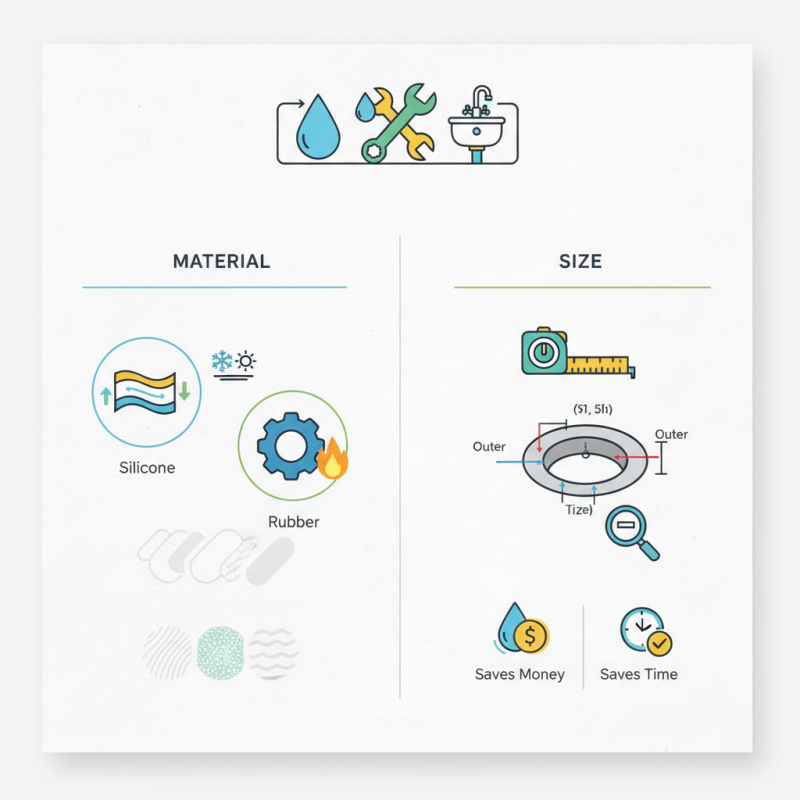
When you search for a Sink Rubber Gasket, consider the material. Different materials offer unique benefits. For example, a silicone gasket is flexible and durable. On the other hand, rubber gaskets are great for high-temperature situations. Yet, not all rubber is created equal.
Additionally, size matters. The wrong size can lead to installation issues or leaks. Take measurements carefully. Sometimes, a minor oversight can lead to significant problems later on. Remember, investing time in selecting the perfect Sink Rubber Gasket saves money in the long run.
Understanding the Function of Sink Rubber Gaskets
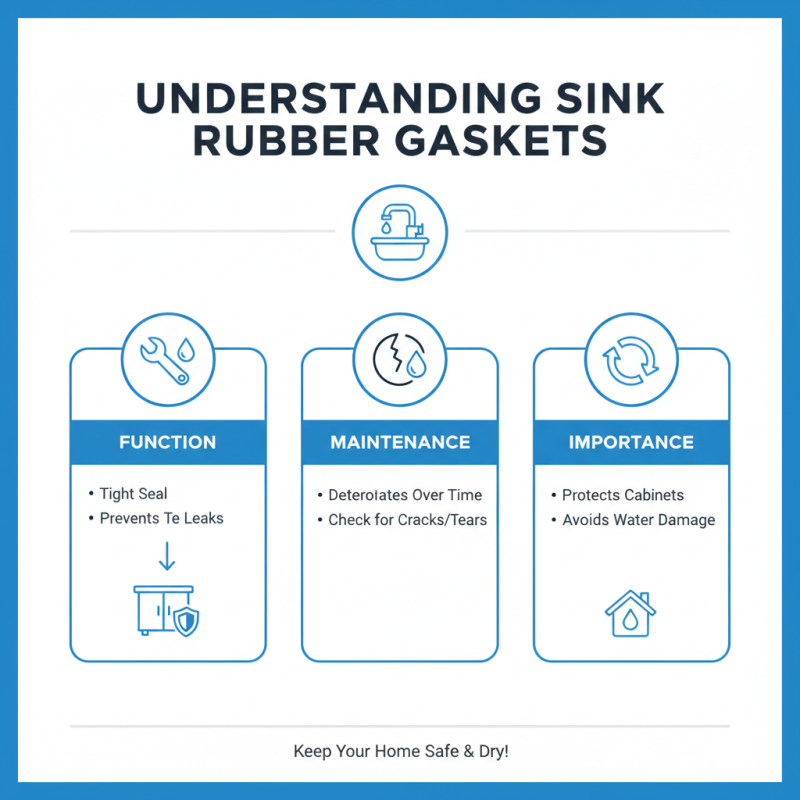
When selecting a sink rubber gasket, understanding its function is crucial. A quality gasket ensures a tight seal. This prevents leaks and protects cabinets underneath. Gaskets can deteriorate over time. Water can seep through gaps if not properly maintained. Regular checks are important. Look for cracks or tears in the rubber.
The material of the gasket affects performance. Some rubber compounds resist heat better than others. Others are more flexible, adapting to various sink designs. Consider your specific needs. Proper sizing is key to a successful installation. An ill-fitting gasket can create future problems. Measure carefully and explore different sizes.
Choosing the right gasket is a task that may seem simple. However, it's essential to reflect on the long-term effects. A small oversight can lead to significant issues. Inspect your choice. Ask questions and seek advice when unsure. A well-informed decision safeguards your home against water damage. Embrace the details to ensure a reliable installation.
Identifying Different Types of Sink Rubber Gaskets
When it comes to sink rubber gaskets, identifying different types is crucial for effective sealing and functionality. Various materials are used, such as silicone, neoprene, and rubber. Each type has specific characteristics that suit different environments. According to industry reports, over 70% of plumbing failures arise from poor sealing. Choosing the wrong gasket type can lead to leaks, mold, and high repair costs.
Silicone gaskets are ideal for high-temperature applications. They resist heat well and maintain their shape under stress. Neoprene, on the other hand, offers excellent chemical resistance, making it suitable for kitchens and bathrooms. However, a study showed that many homeowners overlook these properties, leading to misapplication. A mismatch between gasket type and environment can result in premature wear or failure.
There’s an ongoing debate about the longevity of rubber gaskets versus synthetic options. Some users report faster degradation in rubber gaskets, especially under constant moisture and heat. This highlights the necessity for proper selection. Users often fail to consider environmental factors, which can impact performance and durability. Always assess the specific needs of your sink to ensure long-lasting effectiveness.
Key Measurements for Selecting the Right Sink Rubber Gasket
Choosing the right sink rubber gasket requires careful consideration of key measurements. Accurate sizing ensures a proper fit, preventing leaks. Typically, gaskets are grouped by inner and outer diameters. A study from the Plumbing Manufacturers International indicates that a snug fit can reduce water loss by up to 30%.
Tip: Always measure the sink opening and the drain pipe before purchasing. Use a caliper for precision. Relying on estimates may lead to mismatched sizes and improper seals.
Additionally, the thickness of the gasket can affect its performance. A thicker gasket could provide better sealing but might not fit in tight spaces. The American Society for Testing and Materials suggests that a gasket thickness of 1/8 inch often strikes the right balance.
Tip: Keep in mind the material type as well. Different materials can withstand various temperatures and chemicals. Be aware that inferior materials can degrade, leading to frequent replacements and unnecessary costs.
Material Considerations for Durability and Performance
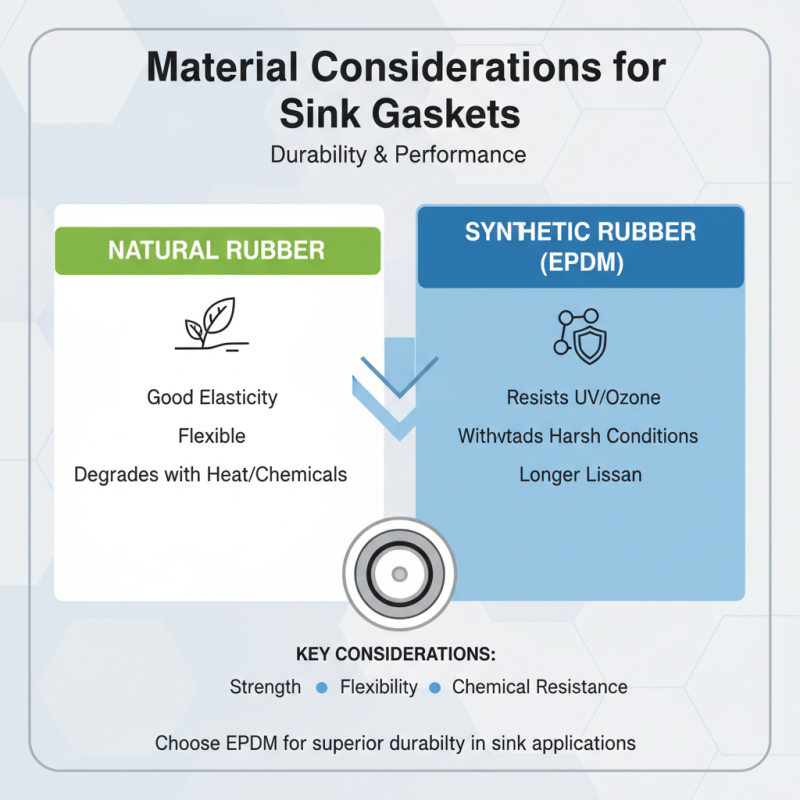
When considering materials for sink rubber gaskets, durability is key. Rubber types vary in strength and flexibility. Natural rubber offers good elasticity but may degrade over time when exposed to heat or chemicals. Synthetic rubbers, like EPDM, resist UV rays and ozone better. They tend to hold up longer in harsh conditions.
Performance is equally important. A gasket should create a tight seal to prevent leaks. Thick materials might seem better, but they can be hard to compress. Sometimes, a thinner gasket works better for certain setups. Pay attention to the hardness rating. Too soft can lead to crushing, while too hard may affect the seal.
Choosing the right size also matters. A gasket that's too big or too small won’t work effectively. Measurements should be precise. It’s easy to overlook this detail, but it can lead to frustration later. Consider how the material interacts with your sink. Will it stick, slip, or mold? Each aspect plays a role in how well your sink functions over time.
Tips for Proper Installation and Maintenance of Sink Rubber Gaskets
When installing sink rubber gaskets, attention to detail is crucial. Start by cleaning the area thoroughly. Dirt or debris can interfere with the seal. Ensure the sink surface is dry before applying the gasket. It's essential to press it evenly when placing it on the sink. A small oversight, like misalignment, can lead to leaks later.
After installation, regular maintenance helps avoid costly repairs. Check for signs of wear or degradation periodically. Look for cracks or compression marks. Replace the gasket immediately if you notice any issues. Water damage can happen quickly and seamlessly. Neglecting small problems often leads to bigger headaches.
Proper tightening of sink connections is critical. Too tight can damage the sink material; too loose can cause leaks. It's a delicate balance. Remember to use the right tools to avoid unnecessary damage. A little caution now can save time and money later. Taking these simple steps can lead to a long-lasting and effective seal.
Sink Rubber Gasket Selection and Usage Analysis
This chart illustrates the importance levels of various factors to consider when choosing a sink rubber gasket. Material quality ranks highest, followed by thickness and chemical resistance.