10 Essential Tips for Choosing the Right Gas O Rings for Your Projects?
Choosing the right Gas O Rings for your projects is crucial for ensuring efficiency and safety. According to a recent industry report by the Sealant Association, improper selection can lead to leaks and functional failures, costing companies millions in repairs and downtimes. "Selecting the right Gas O Rings is not just about fit, it's about performance under pressure," says industry expert Dr. Emily Lawson. Her insights emphasize the importance of proper material selection and application.
Gas O Rings serve various applications, from automotive to aerospace. Their durability and performance depend on factors like temperature, pressure, and chemical exposure. Understanding these variables is vital for making informed choices. However, many overlook essential details when selecting these components, leading to potential project setbacks. These choices require careful consideration and sometimes expert advice.
Choosing Gas O Rings isn't always straightforward. Factors like size, material, and application must align perfectly for optimal function. As Dr. Lawson suggests, “Every project is unique, and so should be the O Rings you select.” This highlights the nuanced nature of the selection process. Reflecting on past experiences can help refine your decision-making. With these tips, you can enhance your project outcomes and ensure reliability in your applications.
Understanding the Purpose of Gas O Rings in Various Applications
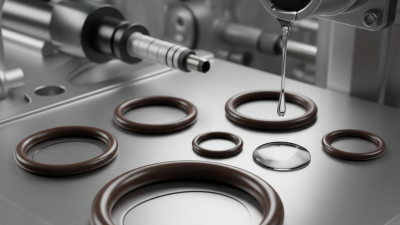
Gas O rings serve a critical purpose in various applications, acting as seals to prevent leakage in gas systems. They are made from materials that can withstand different pressures and temperatures. Selecting the appropriate O ring is vital for ensuring system efficiency and safety. In automotive, aerospace, and industrial machinery, these rings play a crucial role in maintaining optimal performance. An improper choice could lead to failures, which can be costly and dangerous.
Understanding the unique requirements of each application is essential. For example, in a high-pressure gas environment, a thicker O ring might be necessary. Material composition is also key; some materials resist heat better, while others are more effective against chemicals. It’s important to consider the surrounding conditions. Operating temperatures, pressures, and types of gases involved influence the selection significantly. Poor decisions in this selection process can result in leaks and system breakdowns, emphasizing the need for careful consideration.
Identifying the Material Types for Gas O Rings and Their Benefits
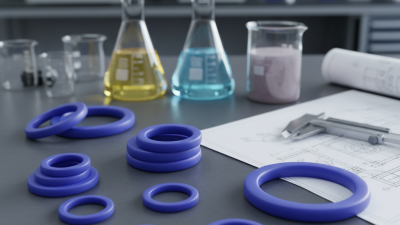
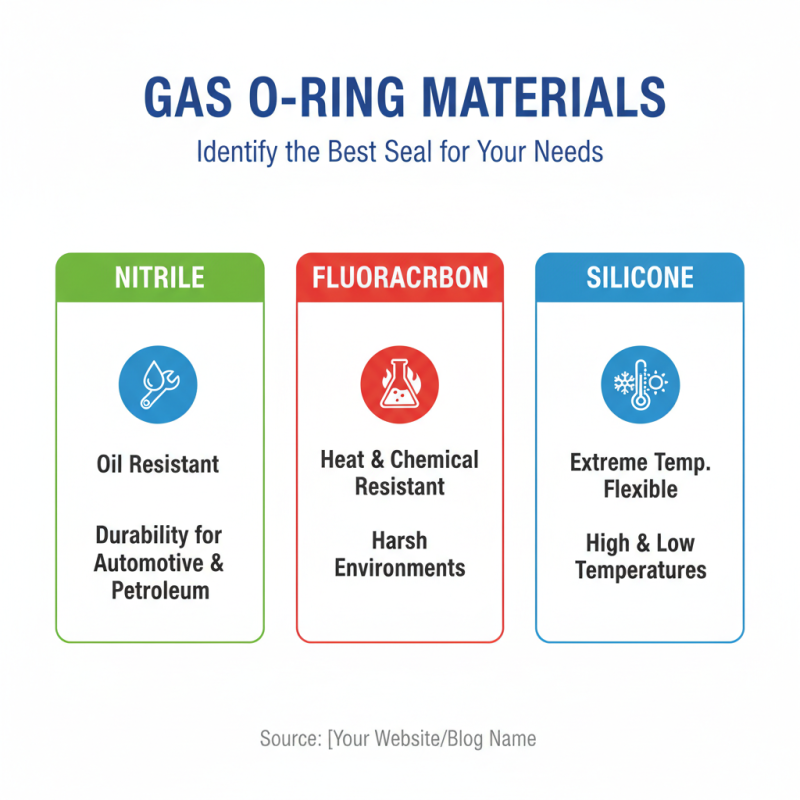
When selecting gas O rings, understanding material types is crucial. Common materials like Nitrile, Fluorocarbon, and Silicone have distinct benefits. Nitrile is known for its durability in oil applications. It excels in resistance to petroleum products, making it ideal for automotive projects. Fluorocarbon offers excellent resistance to heat and aggressive chemicals. This makes it suitable for harsh environments. Silicone, on the other hand, provides flexibility and performance at extreme temperatures.
Choosing the right material directly impacts project outcomes. Consider the environment where your gas O rings will operate. If they will encounter high temperatures or specific chemicals, the material choice must reflect that. For instance, using Nitrile in high-temperature applications could lead to failure, necessitating reevaluation.
Look for specific details: durometer hardness, temperature range, and chemical compatibility. Each O ring should meet project-specific requirements. Not all materials fit every project perfectly. It’s essential for users to evaluate their needs thoroughly. Testing different options can uncover unexpected failures or successes. Making informed choices helps enhance project reliability.
Key Factors to Consider When Sizing Gas O Rings for Optimal Fit
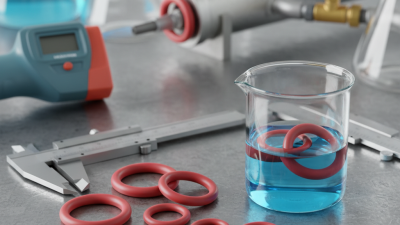
Choosing the right gas O rings for your projects requires careful attention to sizing. An optimal fit prevents leaks and ensures operational efficiency. Begin by measuring the cross-section of the O ring accurately. A slight difference can compromise performance. Use calipers for precision. This small tool can make a big difference in your project.
Next, consider the application environment. Temperature and pressure variations play a critical role in material choice. Some materials withstand heat better than others. Think about the chemical exposure as well. Certain O ring materials react negatively to specific gases. Always research compatibility before making a decision.
Finally, reflect on how you’ll install the O rings. Ease of installation varies based on the design of the housing. A well-shaped groove aids in proper seating and prevents deformation during compression. If installation seems difficult, revisit your sizing. Errors can lead to premature failure. Taking time at this stage saves headaches later on.
Evaluating the Performance Tolerance of Gas O Rings for Project Needs
When evaluating the performance tolerance of gas O rings, understanding material properties is crucial. Different elastomers have varying capacities to withstand pressure, temperature, and chemical exposure. According to industry reports, Nitrile Rubber (Buna-N) can handle temperatures between -40°F to 250°F while maintaining good resistance to petroleum-based fluids.
Choosing the right O ring requires careful consideration. Always assess the operating environment and the substances the O rings will contact. For instance, if your project involves high heat, silicone O rings may be a better fit due to their excellent heat resistance, handling temperatures from -100°F to 500°F.
Tip: Always verify the durometer hardness. O rings with a hardness of 70 shore A often balance flexibility and strength effectively. Also, evaluate the compression set values of the materials; a lower value indicates better performance over time. Reflect on these factors and gather data from reliable sources to ensure your choice aligns with project needs. A small mistake in selection can lead to significant project setbacks.
Performance Tolerance of Gas O Rings for Various Applications
Choosing Between Standard and Custom Gas O Rings for Specialized Uses
When selecting gas O rings, understanding the differences between standard and custom solutions can significantly impact project outcomes. Standard O rings are often readily available and cost-effective. However, they may not meet specific applications perfectly. According to a recent industry report, about 30% of failures in fluid systems are caused by inadequate sealing solutions. Custom O rings address these challenges by offering tailored dimensions and materials. This adaptability can enhance the performance and longevity of critical systems.
Consider material compatibility when choosing O rings. Standard grades may not withstand extreme temperatures or corrosive environments. Custom solutions can be formulated with specialized materials, improving resistance to chemicals and heat. For instance, utilizing FKM for high temperatures can elevate system reliability.
It's also essential to evaluate the design requirements of your project. Custom gas O rings can provide precise fitment, ensuring effective sealing. Regularly, projects face issues from poor sealing that arise from ill-fitting components. A focus on exact specifications can mitigate these risks. Remember, investing time in the selection process can save resources in the long run.
10 Essential Tips for Choosing the Right Gas O Rings for Your Projects
| Tip Number |
Description |
Material Considerations |
Temperature Resistance |
| 1 |
Determine the fluids involved in your project. |
Nitrile, Viton, EPDM |
-30°C to 200°C |
| 2 |
Choose the right size for your application. |
Standard sizes available, custom sizes on request |
-10°C to 150°C |
| 3 |
Check for compatibility with pressure conditions. |
Fluorosilicone, Silicone |
-40°C to 180°C |
| 4 |
Consider the impact of environmental conditions. |
EPDM for weather resistance |
-50°C to 120°C |
| 5 |
Evaluate the longevity and wear of the material. |
Nitrile for good abrasion resistance |
-20°C to 110°C |
| 6 |
Decide on standard vs. custom options. |
Pre-made for common needs, custom for unique specs |
-10°C to 200°C |
| 7 |
Check certifications and industry standards. |
ISO compliance |
-30°C to 150°C |
| 8 |
Assess sealing performance requirements. |
High-performance materials like PTFE |
-40°C to 260°C |
| 9 |
Ensure proper tooling for installation. |
Installation tools specific to size and shape |
N/A |
| 10 |
Consult with experts for unusual applications. |
Custom engineering solutions available |
Variable depending on design |