Top Digital Trends in Molded Rubber Parts for Global Buyers?
In today’s competitive landscape, understanding the trends in molded rubber parts is crucial for global buyers. Molded rubber parts play a vital role in various industries, from automotive to consumer goods. They offer versatility, durability, and cost-effectiveness, making them indispensable.
As technology evolves, molded rubber parts are adapting to new demands. Innovations in materials and production techniques are reshaping the market. For instance, advancements in eco-friendly rubber compounds are gaining traction. Buyers are increasingly interested in sustainable solutions. This shift requires careful consideration, as not all eco-friendly options deliver the same performance.
Navigating the complexities of these trends can be challenging. Buyers must balance quality, price, and sustainability. It’s essential to evaluate suppliers and their capabilities. While many offer impressive products, not all meet rigorous standards. Engaging with trusted manufacturers can help bridge this gap. By focusing on transparency and reliability, buyers can make informed decisions in an ever-evolving market.
Emerging Technologies in Molded Rubber Parts Manufacturing
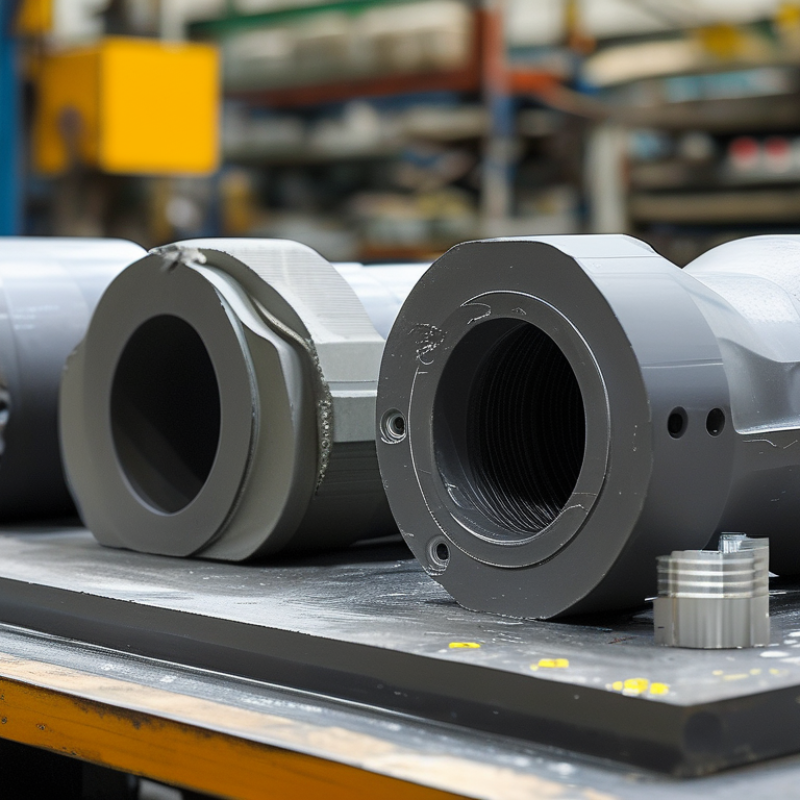
In the world of molded rubber parts, emerging technologies are transforming manufacturing. Advanced methods like 3D printing are becoming commonplace. This technology enables rapid prototyping and customization. It reduces lead times significantly, allowing for more flexible designs.
Investing in automated processes can enhance production efficiency. Robotics are playing a crucial role in quality control and precision. They can minimize human error, ensuring that every part meets industry standards. Yet, integrating new technologies is not without challenges. Staff must be trained to adapt to these changes.
Tips: Evaluate your production goals before adopting new technologies. Understand the cost implications of automation. Conduct regular assessments to ensure the technology is meeting your expectations. Remember, the transition can be uneven, and reflection on performance is vital. Optimal use of new tools often requires adjustments and learning from initial missteps.
Sustainability Trends Impacting the Rubber Parts Industry
Sustainability remains a critical focus in the rubber parts industry. Many manufacturers are now adopting eco-friendly materials. These materials are derived from renewable resources, reducing environmental impact. Natural rubber alternatives like biopolymers are gaining traction. Their production processes leave fewer carbon footprints, which appeals to eco-conscious buyers.
However, the transition to sustainable practices has challenges. Sourcing these materials can be difficult. They often come at a higher cost compared to traditional rubber. This price difference can deter some manufacturers from making the switch. Additionally, the performance of alternative materials may not always match expectations. There are still concerns about durability and longevity in various applications.
Emerging trends also highlight the importance of recycling. Closed-loop systems are being implemented to reuse rubber parts. This practice helps reduce waste and promotes a circular economy. Yet, many companies struggle with establishing effective recycling programs. Engaging in sustainability is essential, but it requires consistent effort and commitment. It is crucial for businesses to reflect on their practices and seek continuous improvement.
Top Digital Trends in Molded Rubber Parts for Global Buyers
| Trend |
Description |
Impact on Industry |
Sustainability Aspect |
| 3D Printing Technology |
Use of 3D printing in manufacturing molded rubber parts to increase efficiency and customization. |
Reduces lead time and allows for complex designs that were previously unachievable. |
Minimizes waste material as it uses only necessary amounts of raw material. |
| IoT Integration |
Integration of Internet of Things (IoT) to monitor rubber part production and performance. |
Enhances predictive maintenance and improves product lifecycle management. |
Supports resource conservation through better management of production processes. |
| Use of Recycled Materials |
Incorporation of recycled rubber in the production of new molded parts. |
Promotes a circular economy and reduces dependence on virgin materials. |
Significantly lowers the carbon footprint associated with material sourcing. |
| Automation in Production |
Utilization of robotics and automated systems for manufacturing processes. |
Increases production speed while maintaining quality standards. |
Reduces energy consumption and minimizes material waste during manufacturing. |
| Digital Supply Chain Management |
Implementation of digital tools for better supply chain visibility and efficiency. |
Enhances collaboration across the supply chain and improves order fulfillment. |
Optimizes transportation routes and reduces emissions associated with logistics. |
Customization and Innovation in Rubber Products for Global Markets
Customization is a key trend in the molded rubber parts industry. Buyers seek unique solutions tailored to their specific needs. Custom molds are designed to meet exact specifications. This approach enhances product performance and functionality. Clients often require varying hardness levels, different colors, or specific designs.
Innovation is equally vital in this sector. Emerging technologies such as 3D printing are reshaping how rubber parts are produced. These advancements allow for rapid prototyping and faster production timelines. However, reliance on new technologies can introduce challenges. For some, the learning curve may be steep, and the initial investment is often high.
Buyers must navigate these complexities thoughtfully. It is crucial to evaluate suppliers based on their expertise and reliability. Understanding the nuances of customization and innovation can lead to better product outcomes. Yet, companies might overlook the importance of detailed communication. Clear discussions with suppliers can significantly reduce misunderstandings and enhance collaboration.
Market Analysis: Demand and Supply Dynamics for Molded Rubber Parts
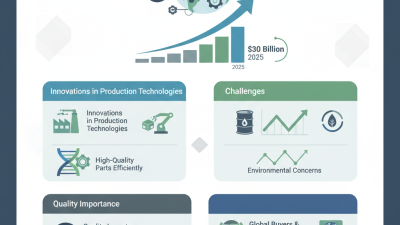
The molded rubber parts market is experiencing dynamic shifts due to evolving demand and supply conditions. According to a recent industry report, the global market for molded rubber parts is projected to reach approximately USD 25 billion by 2026, with a compound annual growth rate (CAGR) of 5.5%. This growth stems from increased applications in automotive, aerospace, and medical sectors. The demand is primarily driven by the automotive industry's push for lightweight materials and the need for flexible, durable components in various applications.
Supply dynamics are equally important. Manufacturers face challenges such as fluctuating raw material prices and supply chain disruptions. For instance, natural rubber prices have seen significant volatility in the past year, impacting production costs. Additionally, the transition to more sustainable materials presents both an opportunity and a challenge for manufacturers. The market is seeing a gradual shift towards synthetic rubber alternatives, which can sometimes complicate supply chains due to their production processes.
Quality control remains a pressing concern. Despite advancements, inconsistencies in product quality can lead to increased rejection rates. Adopting automated inspection technologies may enhance reliability, but implementation costs can be a barrier for smaller manufacturers. Industry professionals must navigate these complexities to stay competitive in the rapidly evolving molded rubber parts landscape.
Future Prospects: Digital Transformation in Rubber Part Production
Digital transformation is reshaping the landscape of rubber part production. According to recent industry reports, over 70% of manufacturers are adopting advanced technologies. These technologies include artificial intelligence and IoT, which enhance efficiency and reduce waste. For global buyers, this means access to more consistent and high-quality molded rubber parts.
A notable finding is that automation can cut production time by nearly 25%. This reduction not only boosts productivity but also allows for greater flexibility in production runs. However, the transition to fully automated systems presents challenges. Many manufacturers face gaps in skills and training among their workforce. Addressing these issues is crucial to fully harness the potential of digital tools.
Sustainability is also becoming a central theme in rubber part production. A significant 60% of businesses are now considering eco-friendly practices. This includes sourcing sustainable raw materials and minimizing energy consumption. Despite these positive trends, not all companies are on board, and many still rely on traditional practices. This disparity highlights the need for ongoing education and adaptation in the industry.
Top Digital Trends in Molded Rubber Parts for Global Buyers
This chart illustrates the adoption of key digital technologies in molded rubber parts production over the past few years. The data reflects the percentage increase in the utilization of technologies such as 3D printing, IoT integration, and AI-driven manufacturing processes.