What is a Small O Ring and How to Choose the Right One?
In the world of sealing solutions, Small O Rings play a crucial role. According to sealing expert Dr. Emily Carter, "Choosing the right Small O Ring can make or break your project." The precision in selecting these tiny yet mighty components impacts the efficiency and reliability of various systems, from automotive to aerospace.
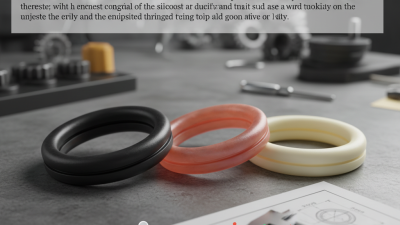
Small O Rings provide effective sealing by creating a tight barrier against fluids and gases. They come in diverse materials, including rubber, silicone, and fluorocarbon. The right material choice is essential based on the environment and the substances they will be exposed to. Misjudgments in this area can lead to leakage and equipment failure, underscoring the importance of expert guidance.
In an industry driven by precision, the selection process for Small O Rings can be daunting. A slight error in size or material can lead to significant problems later. Balancing factors like temperature resistance and chemical compatibility is critical. Every project requires unique considerations, making it vital to research thoroughly and consult with professionals.
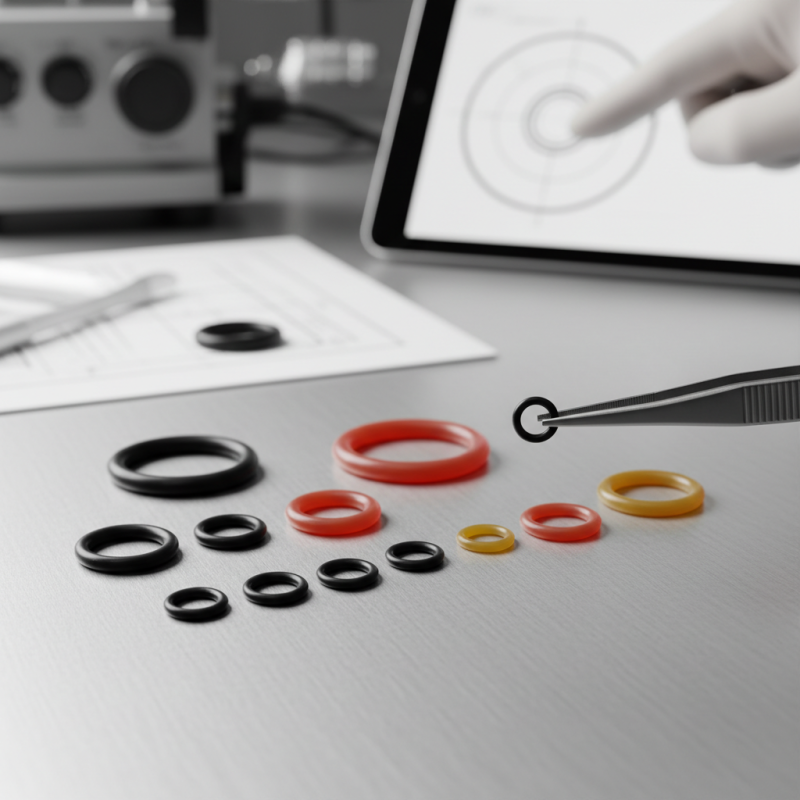
What is a Small O Ring and Its Common Applications in Industries
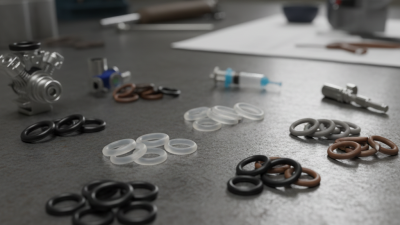
Small O rings are essential components in many industries, serving crucial functions in sealing applications. These rings, typically made from rubber or synthetic materials, ensure a tight fit, preventing leaks and contamination. Common uses include automotive engines, hydraulic systems, and consumer electronics. A report from the Rubber Association indicates that the global demand for O rings is expected to grow significantly, reflecting their vital role in various sectors.
In automotive applications, small O rings are used in fuel systems and brake components. Their ability to withstand high pressure and varying temperatures makes them indispensable. Similarly, in hydraulic systems, these rings help maintain fluid integrity, contributing to system efficiency and longevity. Moreover, in electronics, O rings protect sensitive components from moisture ingress.
Tip: When selecting a small O ring, consider factors like material compatibility and size. Overlooking these can lead to premature failure. Regular inspections of O rings can prevent costly leaks or breakdowns. Keep in mind that even small imperfections can compromise functionality, so meticulous choices are essential. Always refer to industry standards for guidance on specifications.
What is a Small O Ring and How to Choose the Right One?
| Dimension |
Material |
Durometer (Shore A) |
Temperature Range (°C) |
Common Applications |
| 3 mm x 1 mm |
Nitrile (Buna-N) |
70 |
-20 to 100 |
Automotive, Oil Seals |
| 5 mm x 2 mm |
Silicone |
60 |
-60 to 200 |
Food Processing, Medical Devices |
| 8 mm x 2.5 mm |
EPDM |
75 |
-40 to 120 |
Outdoor Equipment, Automotive |
| 10 mm x 3 mm |
Fluorocarbon (Viton) |
75 |
-20 to 250 |
Chemical Processing, Aerospace |
Key Materials Used for Manufacturing Small O Rings
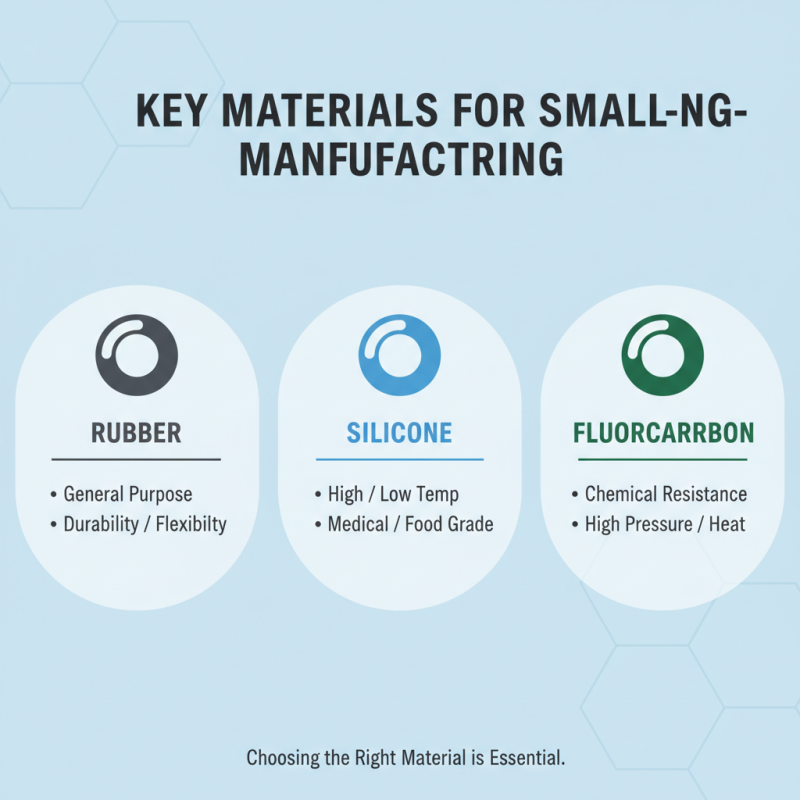
Small O rings serve crucial functions in various mechanical and plumbing applications. Choosing the right one is essential for optimal performance. The materials used for manufacturing these O rings significantly affect their durability and effectiveness. Common materials include rubber, silicone, and fluorocarbon. Each material has unique properties that make it suitable for specific conditions.
Rubber O rings are known for their flexibility and resilience, making them ideal for general applications. Silicone O rings can withstand extreme temperatures, offering excellent stability in harsh environments. Fluorocarbon O rings provide superior chemical resistance, perfect for applications involving aggressive substances. The choice of material should be based on the environment and the specific requirements of your application.
Understanding these materials helps in selecting the right O ring. Consider factors such as temperature, pressure, and potential chemical exposure. It's vital to evaluate your needs thoroughly before making a decision. Small details matter greatly here. An incorrect choice could lead to failures, leaks, or costly repairs. Take time to reflect on the specific requirements of your project. Being meticulous in this process can save time and resources in the long run.
Understanding Size and Measurement Standards for Small O Rings
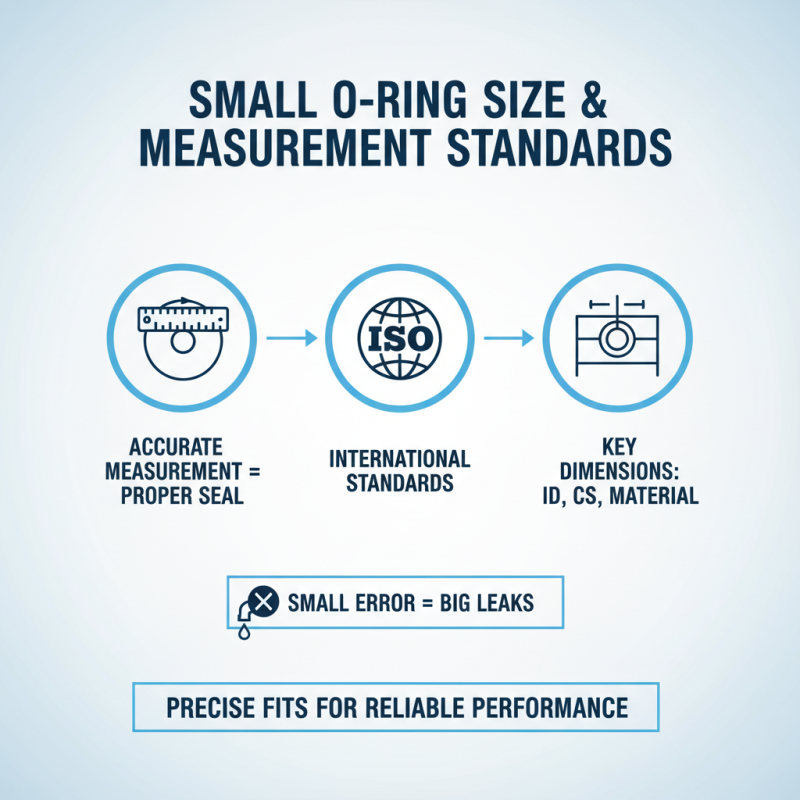
Choosing the right small O ring requires a good understanding of size and measurement standards. Accurate measurements are crucial for proper sealing and functionality. The International Organization for Standardization (ISO) has established standards. These standards include guidelines for inside diameter, cross-sectional width, and material types. A small error in measurement can lead to significant leaks.
Industry professionals suggest using calipers for precise measurements. Tools like calipers can help measure the inside diameter to the nearest millimeter. Additionally, consider the cross-section thickness. Industry data show that using the correct O ring reduces failure rates by 40%. This highlights the importance of accuracy in size.
Many users struggle with the various materials available for O rings. Common choices include rubber, silicone, and polyurethane. Each material has specific properties and temperature tolerances. Reports indicate that the right material can extend service life by up to 50%. However, many manufacturers still overlook these details, risking inefficiencies and increased costs. Thoughtful selection and measurement reduce the chance of premature failure. Thus, understanding measurement standards is vital for effective application.
Factors to Consider When Choosing the Right Small O Ring
When selecting a small O ring, several factors come into play. Material is paramount. You need to consider whether the O ring will encounter oils, chemicals, or high temperatures. Nitrile rubber works well in many applications, but it may not withstand extreme heat. Fluoroelastomers offer better thermal stability but at a higher cost.
Sizing is essential too. Measure the inner diameter and cross-section accurately. A small discrepancy can lead to failure. Too tight, and it may tear; too loose, and it can slip. You should also consider the environment. Will the O ring be exposed to outdoor elements? UV resistance might be necessary.
Lastly, think about the application. Pressure and motion can affect performance. Are you using it in a static or dynamic environment? Dynamic applications require more flexibility. While it’s tempting to choose the first option available, take your time. Reflect on your choices carefully. Making an informed decision can lead to better outcomes.
Industry Standards and Certifications Relevant to Small O Rings
When selecting small O rings, understanding industry standards and certifications is crucial. These standards ensure the O rings are suitable for specific applications. Common standards include ASTM, ISO, and SAE. Each of these has defined specifications for materials, dimensions, and performance. Using O rings that meet these standards can prevent failures and ensure longevity.
Certification marks are also important. They indicate that a small O ring has undergone rigorous testing. Certifications such as FDA or NSF signify that the materials are safe for food or water applications. This is essential for industries where contamination must be avoided. However, sometimes, companies may overlook these certifications, leading to potential risks.
It's worth noting that not all O rings labeled as compliant meet the same quality level. Variability can exist among manufacturers. Therefore, it is prudent to scrutinize certification claims. Ensure documentation is provided when necessary. Small oversights can lead to significant issues in performance. Trusting reliable sources and understanding standards can guide you toward making informed choices.