How to Choose the Right Rubber Gasket Ring for Your Project?
Choosing the right rubber gasket ring can significantly impact your project's success. These rings serve as crucial components, ensuring seals are tight and leaks are prevented. When selecting a rubber gasket ring, you must consider various factors, including material, size, and application.
Different projects require specific rubber gasket ring characteristics. For instance, high-temperature applications may need heat-resistant materials. Alternatively, in wet environments, a waterproof ring is essential. It's crucial to reflect on the project’s demands and not overlook details in this selection process. Often, individuals ignore these aspects, leading to costly mistakes.
Moreover, compatibility with fluids or gases is vital. Not all rubber materials are suitable for every substance. A mismatch can cause deterioration or failure. As you navigate your options, ensure you analyze all requirements. Overlooking small details can have large consequences. Take the time to choose wisely.
Understanding the Function of Rubber Gasket Rings in Projects
Rubber gasket rings play a crucial role in various projects, ensuring proper sealing and preventing leaks. Their primary function is to create a barrier that holds fluids or gases within a system. According to industry reports, nearly 40% of machinery failures stem from inadequate sealing. This statistic highlights the importance of selecting the right gasket for your needs.
Different materials provide varying levels of compression and resistance. For example, Nitrile rubber works well in oil applications, while EPDM is ideal for water and steam. Studies show that using the wrong type can lead to premature failure. A thorough understanding of the operating conditions—temperature, pressure, and chemical exposure—is essential.
The size and thickness of the gasket also matter. A gasket that is too thick can impair functionality and disrupt fluid flow. Conversely, one that is too thin may not seal effectively. As you assess your requirements, consider these parameters carefully. Each project brings unique challenges, making a one-size-fits-all approach inadequate. Reflecting on previous experiences and adjusting choices can yield better results in sealing applications.
Rubber Gasket Ring Types and Their Applications
This chart illustrates the various types of rubber gasket rings and their common applications. Understanding these types helps in making informed choices for specific project needs.
Identifying the Key Factors for Selecting Rubber Gasket Rings
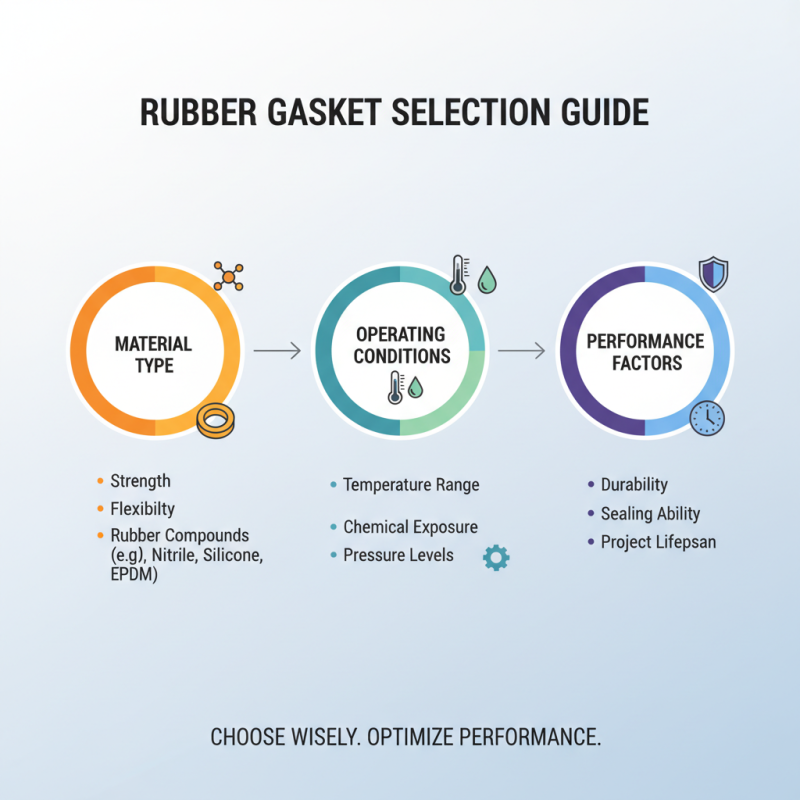
When selecting a rubber gasket ring, understanding key factors is essential. The material type is crucial. Different rubbers have varied properties, impacting strength and flexibility. Consider the temperature range, chemical exposure, and pressure levels your project will face.
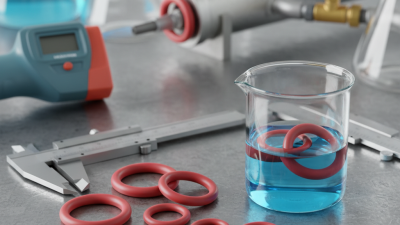
Size also matters significantly. Measure the diameter and thickness accurately. A slight variation can lead to leaks. Always double-check your measurements.
**Tips:** Check compatibility with your fluids. Some rubber types degrade with certain chemicals. Always ask for samples before committing.
Finally, think about the gasket's installation. Some require more effort than others. Evaluate the ease of fitting for your specific application. Ignoring installation can lead to issues later on. Make sure everything aligns perfectly.
Exploring Different Types of Rubber Materials for Gasket Rings
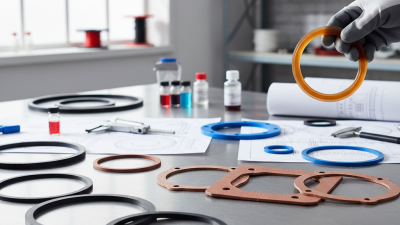
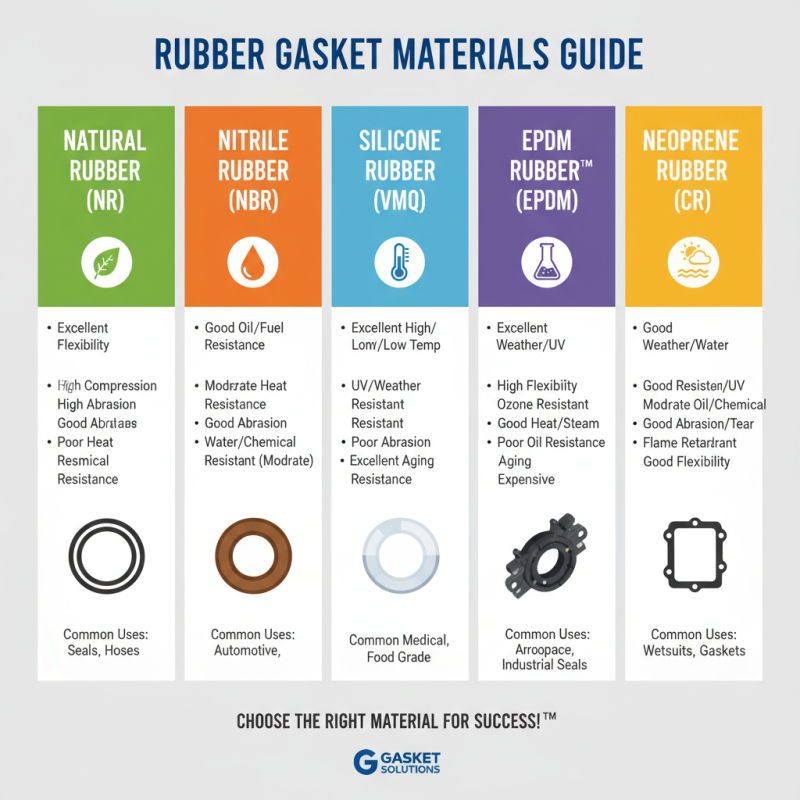
When selecting the right rubber gasket ring, it's crucial to understand the various types of rubber materials available. Different projects require different properties, and choosing the right one can make or break your success. Natural rubber is a flexible option that offers excellent compression. However, it may not resist heat or chemicals well.
Synthetic rubber options are diverse. For instance, neoprene provides resistance to oils, water, and ozone. It's a solid choice for outdoor applications. But keep in mind, neoprene can degrade in extreme heat. Another option is EPDM, which excels in resisting heat, aging, and UV light. Yet, it may not handle petroleum-based fluids effectively.
Choosing the right material can feel overwhelming. It's easy to overlook the specific needs of your project. Testing a few different materials in your environment could offer you valuable insights. Look for the perfect balance of flexibility, durability, and resistance to harsh conditions. Pay attention to how these materials perform in real-world scenarios.
Evaluating Size and Compatibility for Effective Gasket Sealing
When selecting the right rubber gasket ring, size and compatibility are critical factors. A perfect seal can prevent leaks and ensure the integrity of your project. Start by measuring the dimensions of the installation site. Accurate measurements help you avoid common issues.
Mismatched sizes can lead to failures. Ensure your gasket is not too tight or too loose. Tight gaskets may break under pressure, while loose ones can allow leakage.
Tips: Always check the manufacturer's specifications. Also, consider the material's properties. Different rubber compounds have unique tolerances and flexibility levels. For example, neoprene is good for general use, while silicone withstands higher temperatures. Make sure to match the gasket material with the project's operating environment.
Remember, the compatibility of the gasket with the fluids it will encounter matters greatly. Inspect the chemical resistance, as some rubber types degrade quickly with certain substances. This could lead to premature failure. Failing to assess this can cause significant issues later.
It's often those small details that create larger problems down the line.
Assessing Cost vs. Performance in Choosing Rubber Gasket Rings
When selecting rubber gasket rings, the cost versus performance debate is essential. Many projects don’t need the most expensive options. However, opting for low-cost materials often leads to failures. A study from the Rubber Manufacturers Association shows that inferior gaskets fail 30% sooner than high-quality counterparts.
Cost-efficient materials can save money initially. But how much can you risk on performance? The cost of leakage can be far higher than the savings on cheaper gaskets. The Institute of Gasket Technology reports that improper seal selection can cause equipment failures, increasing maintenance costs by over 50%.
Material durability is another key factor. Rubber composition impacts performance under temperature and pressure. The Environmental Protection Agency notes that subpar materials can break down, leading to contamination. Inadequate choices may seem financially smart but can result in bigger issues. Performance should never take a backseat to short-term savings. Balancing quality and budget is a delicate task. Consider your project’s specific needs carefully.