How to Choose the Right Red Rubber O Ring for Your Needs?
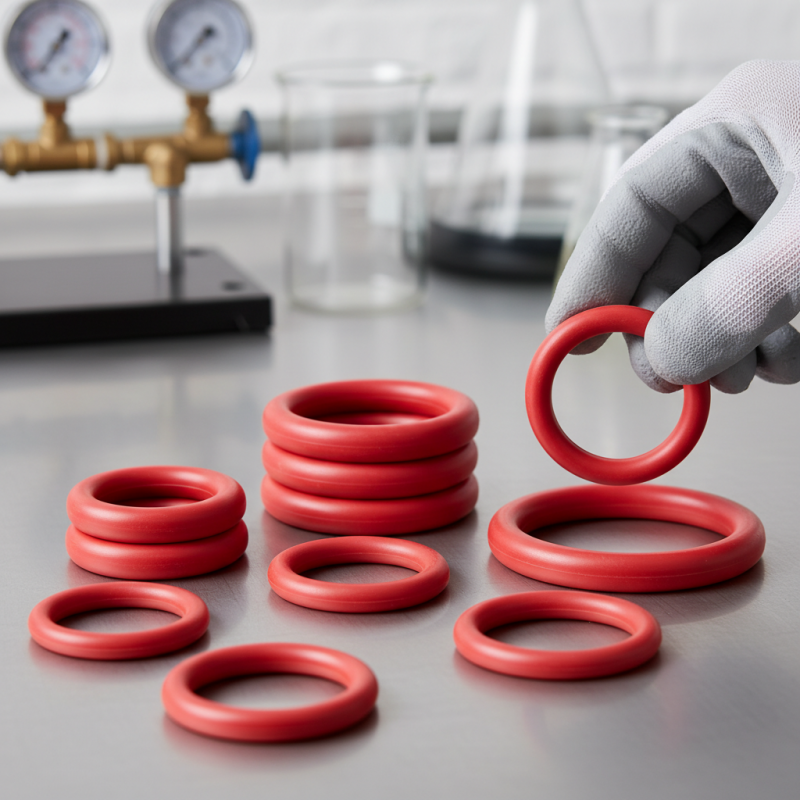
Choosing the right Red Rubber O Ring might seem straightforward. However, various factors play a key role in making the best selection. Red Rubber O Rings are widely used in sealing applications. They provide excellent resistance to heat and maintain flexibility over time. Understanding your specific needs is essential for optimal performance.
The material of the Red Rubber O Ring is crucial. It can affect durability and compatibility with different fluids. Improper selection might lead to leaks or breakdowns. Additionally, consider the size and thickness of the O Ring. An incorrect fit can compromise its sealing capability.
Another aspect is the environment where it will be used. Heat, pressure, and exposure to chemicals can influence the choice. Knowing these conditions helps in selecting the most reliable option. Take your time to evaluate all relevant details. A thoughtful approach leads to better outcomes.
Understanding the Different Grades of Red Rubber O Rings Available
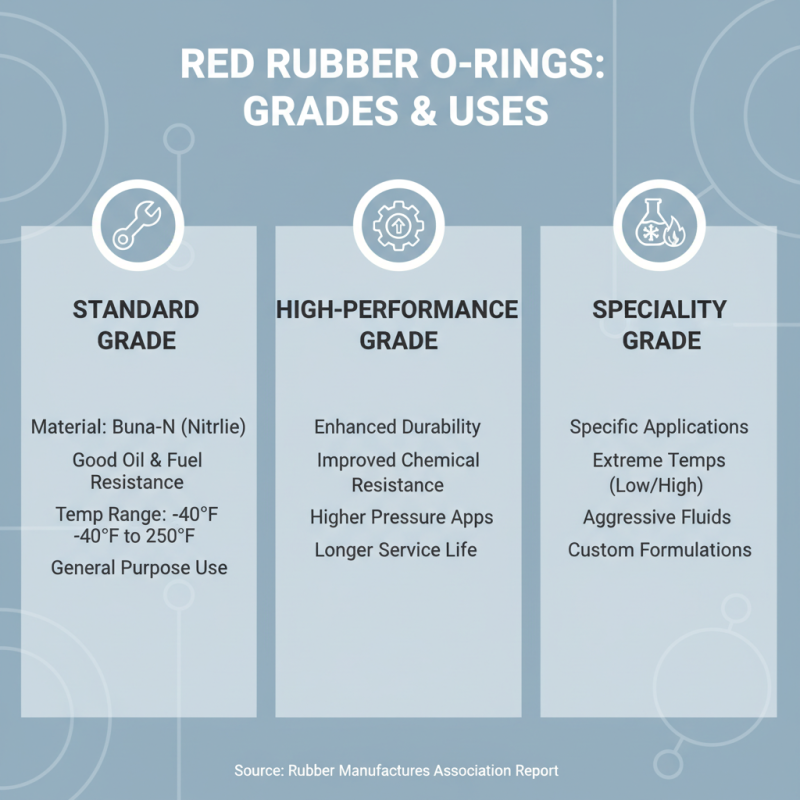
When selecting red rubber O rings, it's essential to understand the different grades available. Red rubber, primarily made from Buna-N (Nitrile), offers excellent resistance to oils and fuels. According to a report by the Rubber Manufacturers Association, these compounds can withstand a temperature range of -40°F to 250°F. Different grades may perform better under specific conditions, impacting their overall durability and functionality.
Another common grade is EPDM, which excels in ozone and weather resistance. This makes it ideal for outdoor applications. For specialized needs, consider Silicone O rings. They provide flexibility at high temperatures. Each grade has unique properties, ensuring there's a suitable option for various environments.
Tips: Assess your application's temperature and chemical exposure. Test different grades under actual operational conditions. This will help identify the best fit, ultimately enhancing performance. Remember, even small variations in materials can produce significant differences in outcomes. Thus, thorough testing is vital.
Key Factors to Consider When Selecting Red Rubber O Rings for Applications
Choosing the right red rubber O ring can be challenging. Many factors play a crucial role in making the best selection.
The first consideration is the application temperature. Red rubber O rings have varying temperature tolerances. You need to match these tolerances to your specific environment.
Next, think about chemical compatibility. Certain chemicals can degrade rubber materials. Understanding the substances your O ring will contact is vital.
A lack of awareness here can lead to premature failure.
The size of the O ring also matters. Measure the inner and outer diameters accurately. Remember, even slight inaccuracies can cause leaks.
Lastly, consider the hardness or durometer of the rubber. This affects compression and sealing performance. A wrong hardness choice can result in ineffective sealing.
Each selection step requires careful thought and attention. The right red rubber O ring can significantly impact your application. Embrace the details; they truly make a difference.
Assessing Size and Dimension Specifications for Proper Red Rubber O Rings
Choosing the right red rubber O ring involves careful consideration of size and dimensions. Accurate measurements are crucial. A slight deviation can lead to improper sealing. According to industry reports, O rings with precise inner and outer diameters and cross-section thickness ensure optimal performance.
When assessing size, begin with the inner diameter (ID) and outer diameter (OD). These dimensions impact the fitting and sealing capabilities. For instance, a study indicated that O rings with a 1-inch ID and a 1.5-inch OD are common in hydraulic applications. However, the material thickness must also be tailored to your specific environment. This can enhance durability and resilience against wear.
Rubber hardness, measured in durometers, is another key factor. Typically, a rating between 70A and 80A is ideal for versatile applications. However, softer O rings might be prone to deformation under pressure. Data suggests that 20% of applications fail due to improper durometer selection. Hence, it's essential to match hardness to your specific requirements for long-term performance.
How to Choose the Right Red Rubber O Ring for Your Needs?
| Dimension |
Size (Inner Diameter) |
Cross-Sectional Diameter |
Material Hardness |
Temperature Range |
| Standard |
10 mm |
2 mm |
70 Shore A |
-30°C to 100°C |
| Imperial |
3/4 inch |
1/8 inch |
80 Shore A |
-20°F to 212°F |
| Metric |
25 mm |
3 mm |
75 Shore A |
-10°C to 80°C |
| Heavy Duty |
50 mm |
5 mm |
90 Shore A |
-40°C to 120°C |
Evaluating Compatibility: Chemical Resistance of Red Rubber O Rings
Choosing the right red rubber O ring for your application involves evaluating its chemical resistance. Different chemicals can interact with rubber in varying ways. Understanding this compatibility is crucial for durability and performance. Red rubber O rings are often used in environments with oils, fuels, and water. However, not all formulations endure the same substances.
Tips: Always consult compatibility charts when in doubt. A simple mistake can lead to premature failure of the O ring. Consider the temperature range of the application as well. High temperatures can affect the rubber’s effectiveness, potentially leading to leaks or breaks.
Additionally, reflect on the specific environment where the O ring will be placed. Is it exposed to UV light? Are there repeated flexing motions? Such factors influence the rubber's lifespan. Regular checks of the O rings for signs of wear can save time and cost, ensuring reliability in your operations.
Identifying Common Applications and Industries Using Red Rubber O Rings
Red rubber O rings are widely used across various industries due to their versatility and durability. In the automotive sector, these seals work effectively to prevent leaks in hydraulic systems and transmissions. Their resistance to heat and oils makes them ideal for engine applications. In plumbing, red rubber O rings are essential for ensuring leak-proof seals on faucets and pipes. Their ability to handle different water pressures makes them reliable in this domain.
Another common application is in the food and beverage industry. Here, red rubber O rings comply with safety standards, making them suitable for sealing equipment used in food processing. The rubber's flexibility allows for a tight seal, preventing contamination. However, one must be cautious. Not all red rubber materials are food-safe. It's critical to check certifications before use.
In manufacturing, red rubber O rings assist in machinery that requires a reliable seal. They endure repetitive motions and varying temperatures. Still, several factors can affect their performance, such as chemical exposure and environmental conditions. Regular assessments are needed to ensure they remain effective. Understanding these nuances can lead to better choices in selecting the right O ring for any application.
Usage of Red Rubber O Rings in Various Industries