2026 How to Choose the Right Thread O Ring for Your Needs?
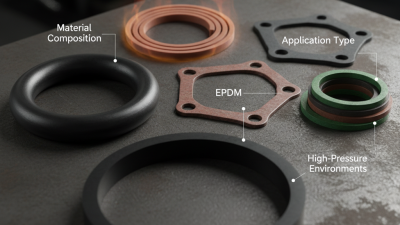
When selecting the right Thread O Ring, the choices can be overwhelming. Many factors come into play, from material and size to application and compatibility. Understanding these variables is crucial for ensuring a proper seal. A Thread O Ring acts as a barrier, preventing leaks and maintaining pressure in various systems.
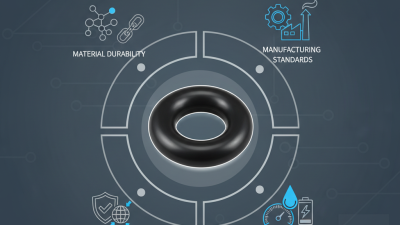
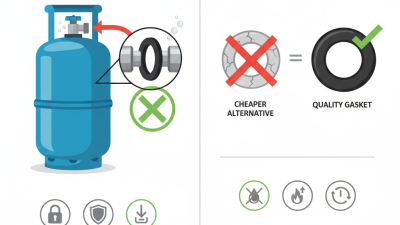
Quality matters when choosing a Thread O Ring. Not all rings are created equal. Some may break easily or fail under pressure. Testing and experience reveal that a reliable Thread O Ring enhances performance while ensuring safety. It's essential to consider trusted brands and manufacturers known for their durability and effectiveness.
Choosing the wrong O Ring can lead to costly mistakes. In certain environments, materials degrade quickly. Reflecting on specific needs is vital before making a decision. It may be worth seeking expert advice to navigate this complex choice. Ultimately, the right Thread O Ring serves as a fundamental component in achieving successful outcomes.
Understanding the Basics of Thread O Rings and Their Applications
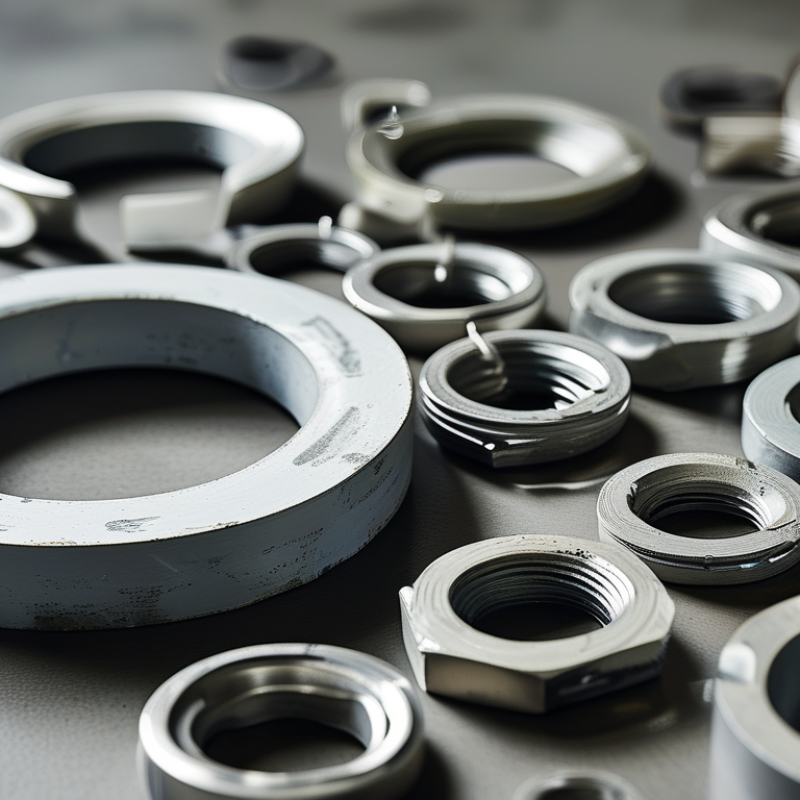
Thread O rings are essential components in many applications. Understanding their basics can significantly impact your project's success. These rings create a seal in threaded connections, preventing leakage and ensuring durability. They come in various materials, sizes, and profiles, making them versatile for many industries, including automotive, plumbing, and manufacturing.
Tips: Consider the operating environment when choosing a thread O ring. Materials like rubber are excellent for low-pressure applications, while metal options are better for high temperatures. Always note the application’s specific needs.
Choosing the right size is crucial. It’s easy to overlook this detail. An incorrect size can lead to leaks or premature failure. Take precise measurements of the threaded area to ensure a perfect fit. It’s worth the extra effort to avoid costly mistakes later on.
Remember that threads can wear out over time. Regular inspections of your O rings can save you from unexpected issues. This step is often ignored but can make a significant difference in performance. Keeping a stock of replacements is a wise strategy. Recognizing the signs of wear early can prevent bigger problems down the line.
Key Factors to Consider When Selecting a Thread O Ring
Choosing the right thread O-ring is crucial for various applications. One key factor is the material used. Common choices include nitrile, silicone, and fluorocarbon. Each material offers unique properties, like temperature resistance and chemical compatibility. According to industry studies, 60% of failures can be traced back to inappropriate material selection.
Another important factor is the hardness of the O-ring. Hardness is measured on the Shore scale. A suitable hardness can prevent leakage while ensuring flexibility. Data shows that the optimal hardness range for most applications is between 70A to 90A. Finding the right balance is essential for effective sealing.
Tip: Always consult a technical datasheet for material compatibility with your specific environment. Misalignment can lead to premature wear or failure. Remember to review application specifics, such as pressure and temperature, that influence performance. A little care in selection can save time and costs down the road.
Different Materials Used in Thread O Rings and Their Properties
When choosing the right thread O ring, material selection is crucial. Different materials offer unique properties that can impact performance. For instance, rubber O rings are common. They provide excellent flexibility and sealing capabilities. However, they may degrade under harsh conditions.
Consider using silicone O rings. They have great temperature resistance and can handle extreme temperatures. This makes them suitable for various applications. On the other hand, fluorocarbon O rings are excellent for chemical resistance, but they are more expensive. These materials are often more durable but may lack flexibility.
While analyzing O ring materials, weigh the pros and cons. Each material has its strengths, but none are perfect. An O ring might perform well initially but fail over time due to environmental factors. Always evaluate the specific demands of your application. This will help ensure the best choice for optimal performance.
How to Measure and Size a Thread O Ring Correctly
Selecting the right thread O-ring is crucial for achieving the best seal in various applications. One of the most essential steps is accurately measuring and sizing the O-ring. To begin, you need to measure the inner diameter, outer diameter, and the cross-section width of the existing O-ring or the groove it will fit into. A caliper or a specialized measuring tool will provide precise dimensions. Keep in mind that small differences in size can lead to poor sealing performance.
Always double-check your measurements. It's easy to make mistakes, especially with small components. Take note of the material and any specific environmental conditions that the O-ring will encounter, as these factors can influence your selection. Remember, not all threads are the same, and some environments may require specific materials to withstand chemicals or temperature variations.
When sizing the thread O-ring, consider the application and load it will bear. A tighter fit may enhance sealing but could lead to excessive wear. On the other hand, a loose fit may not provide adequate sealing. It’s a balancing act, and finding the right size may require testing. Therefore, consider purchasing a few sizes to experiment before settling on the final choice. Having multiple options can save time and reduce frustration in the long run.
Thread O Ring Size Comparison
Common Mistakes to Avoid When Choosing Thread O Rings
When selecting thread O rings, people often overlook critical details. A common mistake is undervaluing material compatibility. Different materials offer varying resistance to heat, chemicals, and pressure. Failing to match the O ring material with the environment can lead to premature failure. This is a mistake that can cause significant downtime and repair costs.
Another frequent error is incorrect sizing. A thread O ring that is too small will lead to leaks, while one that is too large may not provide the necessary seal at all. It’s essential to measure accurately and refer to sizing charts. Many users skip this step, assuming a standard size will suffice, which is rarely the case.
Lastly, neglecting the installation process can be detrimental. Improper alignment may damage the O ring, compromising its effectiveness. Users should ensure the threading is clean and free of debris. Taking time to prepare can prevent issues that arise from rushed installations. Learning from these missteps enhances the efficiency of sealing solutions.