How to Choose the Right Gas Regulator O Ring for Your Needs?
Choosing the right Gas Regulator O Ring is crucial for maintaining safety and efficiency in gas systems. A report by the International Gas Union highlights that improper selection of components can lead to severe failures. In gas applications, leaks can pose significant risks. An appropriate O Ring can help prevent these.
Factors like temperature, pressure, and chemical compatibility should guide your selection process. Industry studies indicate that nearly 30% of failures in gas regulators are due to unsuitable O Ring materials. This statistic emphasizes the need for thorough research before making a decision. Choosing an O Ring that doesn’t match specifications could lead to dire consequences.
Reflect on your specific needs. What type of gases are you working with? Are environmental factors influential? The right Gas Regulator O Ring should be a balance between performance and reliability. Yet, many overlook these details. Taking time to choose wisely can result in savings and safety.
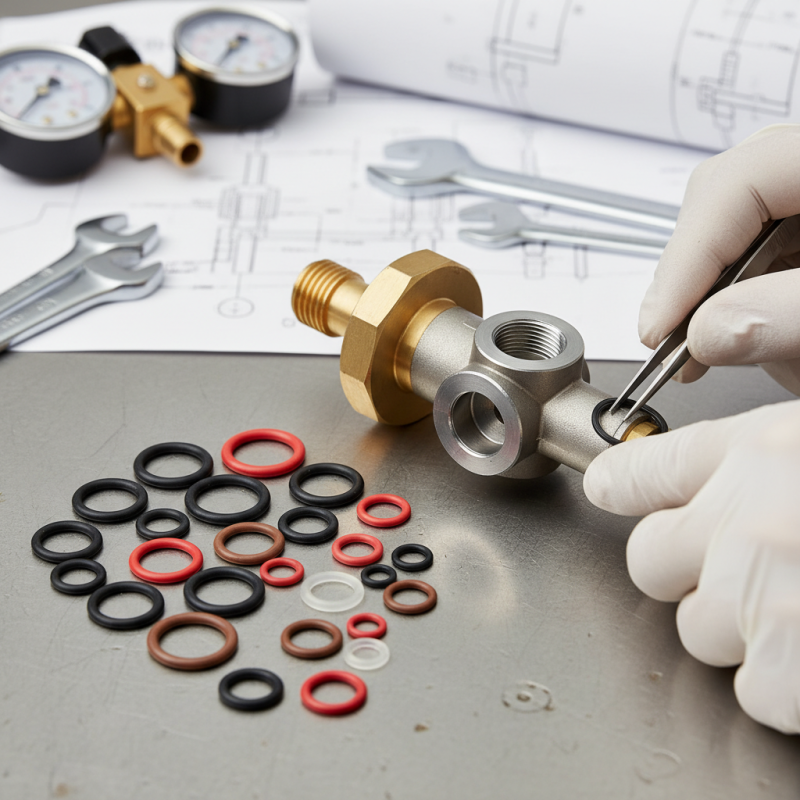
Understanding the Importance of O Rings in Gas Regulator Systems
Gas regulator systems rely heavily on O rings for safe and efficient operation.
O rings create a tight seal, preventing leakage in high-pressure environments.
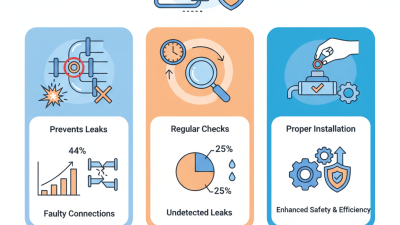
According to industry studies, over 70% of gas leaks are attributed to faulty seals in these systems.
Choosing the right O ring is critical for maintaining safety standards.
Understanding the materials and dimensions of O rings significantly impacts their performance.
Many applications require specific compounds, such as Viton or Nitrile.
Each material offers distinct benefits, but not all are suited for the same gas type.
Inadequate material selection can lead to premature failure and system malfunctions.
For example, using a standard Nitrile O ring for high-temperature applications could result in rapid degradation.
Further research shows that improper sizing is another common issue.
O rings should fit snugly within their grooves.
Too loose or too tight can create problems down the line.
The right inner diameter and cross-section are crucial for effective sealing.
Industry experts recommend regularly inspecting O rings for signs of wear.
This proactive approach can prevent costly downtime and safety hazards.
Key Material Types for Gas Regulator O Rings and Their Applications
When selecting a gas regulator O-ring, understanding the materials is crucial. Common types include Nitrile (Buna-N), Viton, and EPDM. Nitrile O-rings are popular for their resistance to oils and fuels. They perform well in moderate temperatures, usually between -40°F to 212°F. However, they may not be suitable for high-temperature applications.
Viton O-rings excel in high-temperature settings and offer excellent chemical resistance. They can withstand temperatures up to 400°F. A report from the Rubber Manufacturers Association notes that Viton is often preferred in critical industries. Yet, their cost can be a drawback for some users.
EPDM O-rings are reliable for water and steam applications. They provide good aging characteristics and resist ozone. However, they are not ideal for petroleum-based fluids. Each material has benefits and limitations. Consider your application and environment carefully. A mismatch can lead to leaks or failures. As the industry evolves, new materials continue to emerge, offering better performance. Staying informed is vital for making the right choice.
How to Choose the Right Gas Regulator O Ring for Your Needs? - Key Material Types for Gas Regulator O Rings and Their Applications
| Material Type |
Temperature Range (°C) |
Chemical Resistance |
Common Applications |
| Nitrile (Buna-N) |
-40 to 100 |
Moderate resistance to oils and fuels |
Fuel systems, gas regulators |
| Viton (FKM) |
-20 to 200 |
Excellent resistance to harsh chemicals |
High-performance gas applications |
| EPDM |
-40 to 120 |
Good resistance to water and steam |
Water and drainage systems |
| Silicone |
-60 to 230 |
Limited resistance to oils |
Medical devices, food processing |
| PTFE |
-200 to 260 |
Excellent chemical resistance |
High-purity applications, chemical processing |
Measuring the Size: How to Select the Right O Ring Dimensions
Choosing the right O Ring dimensions is crucial for any gas regulator. The size affects the seal and overall system performance. A perfect fit reduces leaks and enhances safety. According to industry data, improper O Ring sizing can lead to significant failures. In fact, nearly 30% of all gas leaks stem from inadequate sealing solutions.
To measure the O Ring, one must consider both inner diameter and cross-sectional thickness. The inner diameter is vital for ensuring it fits snugly within the regulator. The cross-sectional thickness contributes to the sealing strength. Accurate measurements are necessary. A small mistake can render an O Ring ineffective. Some users overlook this detail, resulting in costly errors later.
Furthermore, it's essential to check the material compatibility with gases used. Some materials may degrade under specific conditions. This can impact the O Ring’s lifespan. Using the wrong dimensions or materials can lead to severe consequences. Regular checks should be performed to ensure the O Ring remains in good condition. Consider conducting routine assessments to avoid potential issues.
Identifying Pressure Ratings and Temperature Limits for O Rings
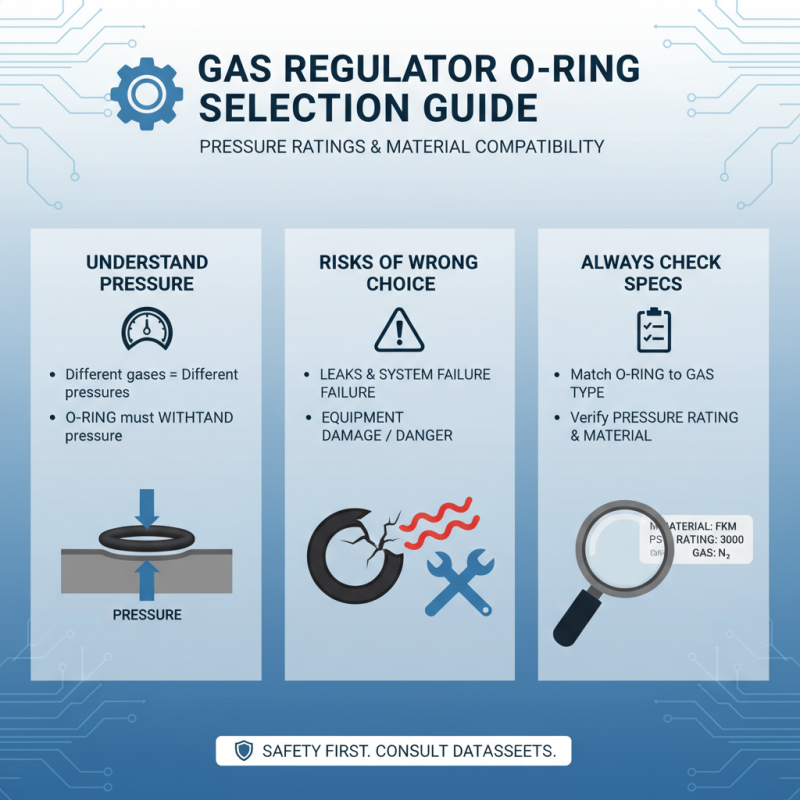
When choosing a gas regulator O-ring, it's essential to understand pressure ratings. Different gases operate at various pressures. An O-ring must withstand these pressures without failing. Selecting the wrong O-ring can result in leaks or failures. Always check the specifications to ensure a proper fit.
Temperature limits are equally important. O-rings are made from different materials, each with specific temperature tolerances. For instance, some materials perform well in high heat, while others excel at low temperatures. Consider the environment where the O-ring will be used. Extreme temperatures can lead to premature wear.
Keep in mind that O-rings can degrade over time. Regular inspections are crucial. Look for signs of wear or damage. If an O-ring shows significant deterioration, replace it immediately. Ignoring this can lead to dangerous situations. Ultimately, understanding both pressure ratings and temperature limits helps in selecting the right O-ring for your needs. However, mistakes can happen. Reflecting on past choices can guide future decisions.
Common Industry Standards and Certifications for Gas Regulator O Rings
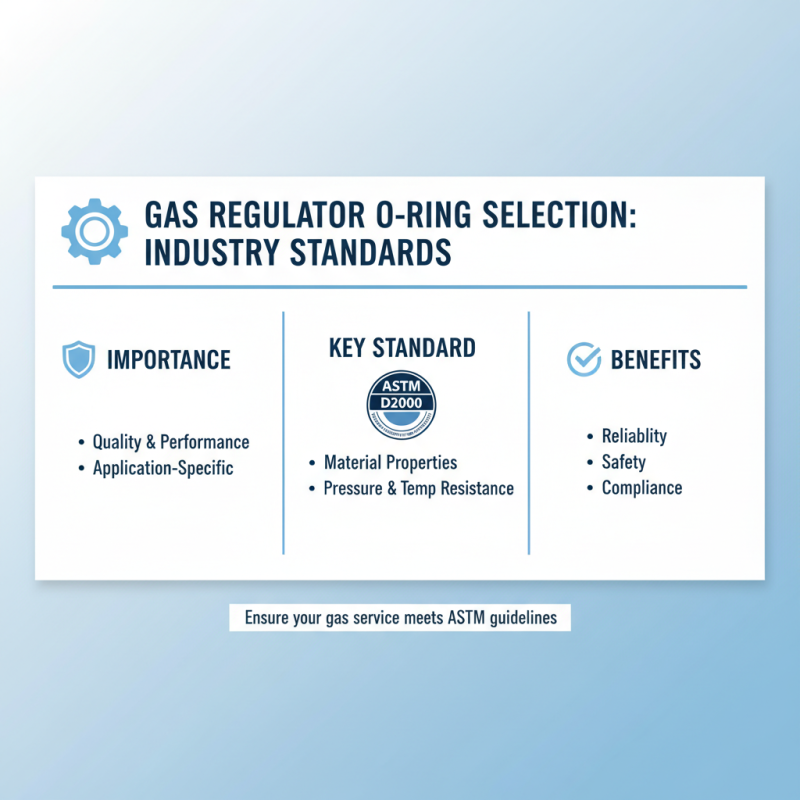
When selecting the right gas regulator O ring, understanding industry standards is crucial. Different applications have varying requirements. The American Society for Testing and Materials (ASTM) offers guidelines that help ensure quality and performance. For example, ASTM D2000 specifies the material properties essential for rubber O rings used in gas service. Compliance with such standards indicates that the O rings can withstand specific pressure and temperature ranges.
Moreover, certifications like ISO 9001 assure customers of consistent quality in manufacturing. A 2021 report from the Rubber Manufacturers Association noted that over 70% of industry players prioritize certified components. This emphasis on certification acts as a safety net, reducing risks associated with material failures. Yet, it’s important to remember that not all manufacturers may fully adhere to these standards, leading to potential quality variation.
In real-world applications, improper O ring selection can result in leaks and equipment failures. A study highlighted that 30% of industrial accidents were linked to seal failures in gas systems. This statistic underscores the necessity for thorough research when choosing an O ring. Knowing the right standards and certifications can prevent costly mistakes. However, many users often overlook these crucial details, leading to flawed decisions.