How to Choose the Right Fluorosilicone O Ring for Your Application?
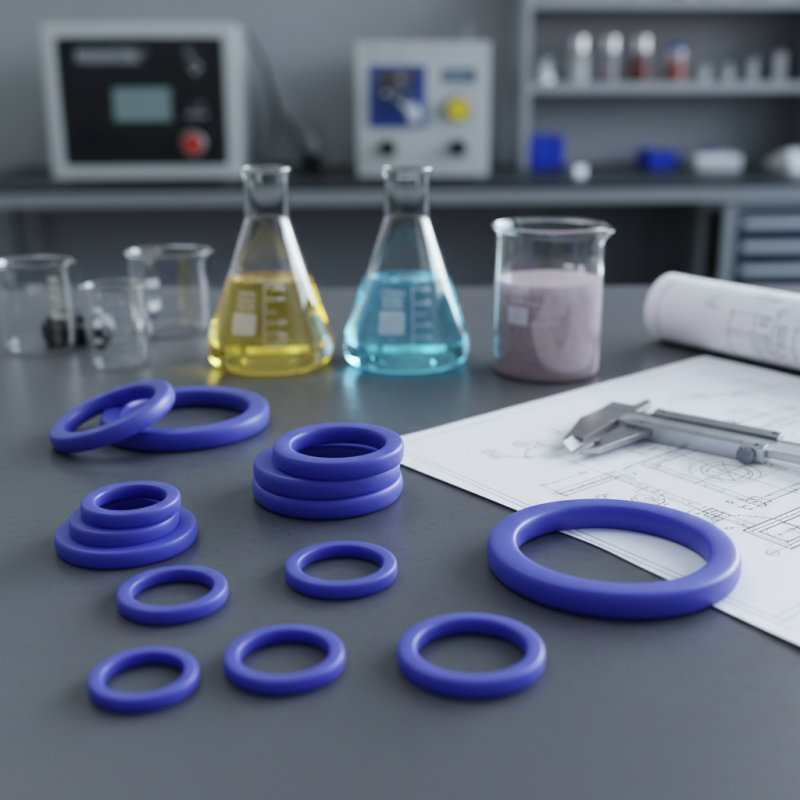
Choosing the right Fluorosilicone O Ring is crucial for various applications. These components provide exceptional chemical resistance and thermal stability. Many industries rely on them for machinery, automotive, and aerospace needs.
Understanding the specifications of Fluorosilicone O Rings is key. Factors such as size, shape, and material composition directly affect performance. Each application demands specific qualities. Engineers must carefully evaluate the environment where the O Rings will be used.
Common mistakes occur when users underestimate these factors. Not all Fluorosilicone O Rings are created equal. Selecting the wrong type can lead to failure in critical situations. Therefore, thorough research and expert guidance are essential in making an informed choice.
Understanding Fluorosilicone O Rings and Their Benefits
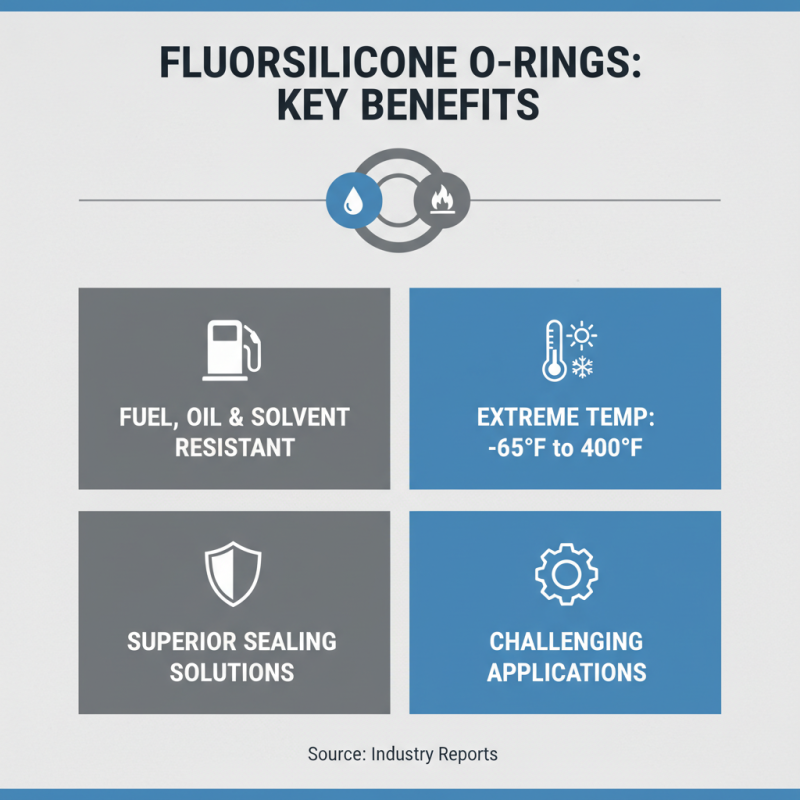
Fluorosilicone O rings are unique sealing solutions. They offer superior resistance to fuel, oils, and solvents. According to industry reports, they maintain their integrity under extreme temperatures, ranging from -65°F to 400°F. This broad temperature range makes them suitable for various challenging applications.
These O rings also perform well in harsh environments. They resist oxidation and UV degradation, which extends their lifespan. A study shows that fluorosilicone compounds provide a 30% improvement in service life compared to standard silicone. This is particularly beneficial in aerospace and automotive sectors, where durability is critical.
Despite their advantages, selecting the right fluorosilicone O ring requires careful consideration. Factors such as chemical compatibility, temperature, and pressure must be evaluated. Many users overlook these details, which can lead to premature failure. Each application's demands are unique, necessitating a thorough understanding of the materials involved.
Identifying the Key Application Requirements for O Rings
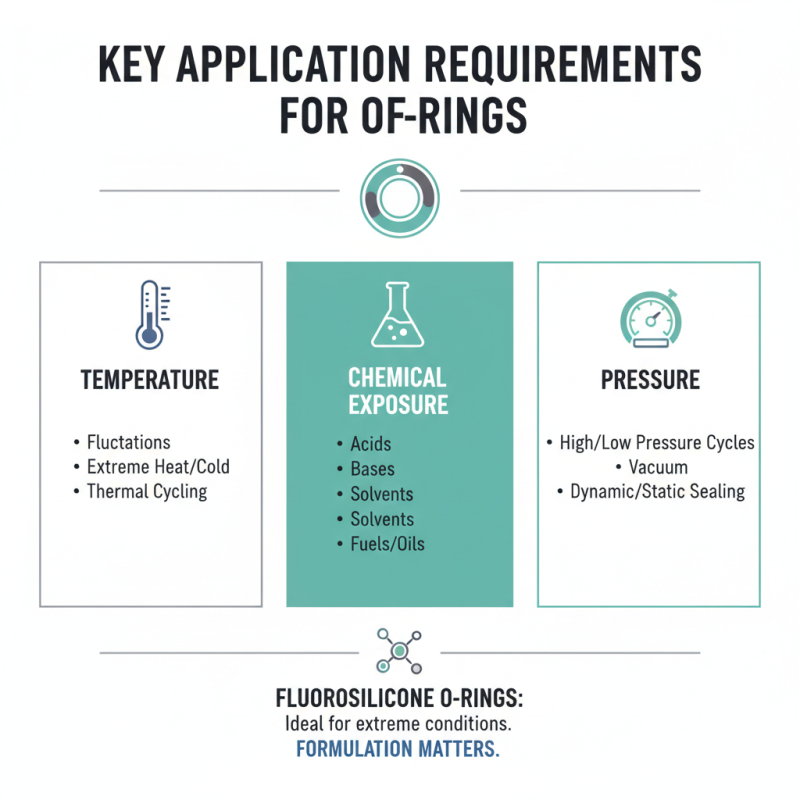
Choosing the right fluorosilicone O ring requires a solid understanding of application requirements. Start by identifying the environment in which the O ring will operate. Temperature fluctuations, exposure to chemicals, and pressure levels all play crucial roles in determining suitability. Fluorosilicone O rings excel in extreme conditions, but not all formulations are equal.
Next, consider the mechanical properties needed for your application. The O ring must withstand wear, compression, and tensile forces specific to your system. Soft materials may compress easily but may not resist tearing. Harder options can handle pressure well but might not fit into tight spaces. Analyze what is vital for your setup.
Finally, think about the installation process. Some may overlook how well an O ring can be fitted. Improper installation might lead to premature failure. Even the best material won't help if the fit is wrong. Monitor and adjust your installation methods based on initial results. It’s a continuous learning process. Understanding these factors ensures you select the most effective O ring for your needs.
Evaluating Compatibility with Fluids and Operating Conditions
When selecting a fluorosilicone O-ring, assessing compatibility with fluids is crucial. Understanding the fluid type is essential. Different fluids interact uniquely with materials. For example, hydrocarbons can degrade certain elastomers. Fluorosilicone O-rings resist many chemicals, but not all. Conduct thorough compatibility tests to avoid costly failures.
Operating conditions also play a role in selection. Temperature extremes and pressure levels can affect performance. Fluorosilicone is resilient, but exists within limits. High temperatures may lead to softening, while low temperatures can cause brittleness. Consider environmental factors, like humidity and exposure to UV light. These elements can influence O-ring longevity and effectiveness.
Make sure to identify specific requirements for your application. Every detail matters, from the fluid types to the operating environment. Collaborating with experts enhances the selection process. Relying solely on general information might lead to poor choices. Incorporate evaluations and feedback to optimize your decision-making. Test thoroughly before final implementation.
Sizing Considerations for Optimal Performance of O Rings
Choosing the right fluorosilicone O ring involves careful sizing to ensure optimal performance. Proper sizing is crucial because it directly affects seal integrity and overall functionality. According to the International Institute of Sealing Science, a miscalculated size can lead to a 30% increase in leakage rates. This data highlights the importance of precise measurements, especially in demanding applications.
When sizing O rings, consider the following tips. Measure the groove’s diameter and width accurately. A groove that is too tight may cause excessive deformation, while a loose fit can lead to instability. The ASTM D2000 standard emphasizes calculating the stretch percentage. It should ideally fall between 5% and 15% for optimal seal performance. Overstretching can hinder sealing ability and reduce lifespan.
Selecting the right durometer is also critical. Fluorosilicone O rings come in various hardness levels, impacting their adaptability. A softer O ring may seal better, but it could wear out faster, complicating maintenance. Inspect application conditions. Environmental factors like temperature and chemical exposure influence O ring performance. Be cautious of operating outside recommended limits. Making informed decisions requires balancing these considerations meticulously.
Performance Comparison of Different Fluorosilicone O Rings
Common Industries and Applications for Fluorosilicone O Rings
Fluorosilicone O rings find extensive use in several industries due to their excellent resistance to extreme temperatures and harsh chemicals. They are widely implemented in aerospace applications, where reliability is critical. In automotive manufacturing, these O rings seal applications exposed to fuel and oil. They even play a role in food processing, ensuring safety standards.
When selecting a fluorosilicone O ring, consider the specific environment. High temperatures may warp less robust materials. Alternative materials might fail under exposure to aggressive chemicals. It's also essential to think about the physical properties required for your application.
Tips: Always inspect O rings for visible wear. Rigid sealing may indicate improper size or installation. Measure environmental factors carefully for best results. A detailed approach can prevent costly errors. Making informed choices can enhance overall operational efficiency.