How to Choose the Right Double O Ring for Your Project?
Selecting the right Double O Ring for your project can be challenging yet essential. The ideal choice can significantly impact the effectiveness and durability of your system. Double O Rings are versatile seals used in various applications. They help prevent leaks in hydraulic and pneumatic systems.
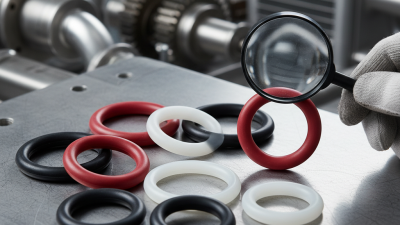
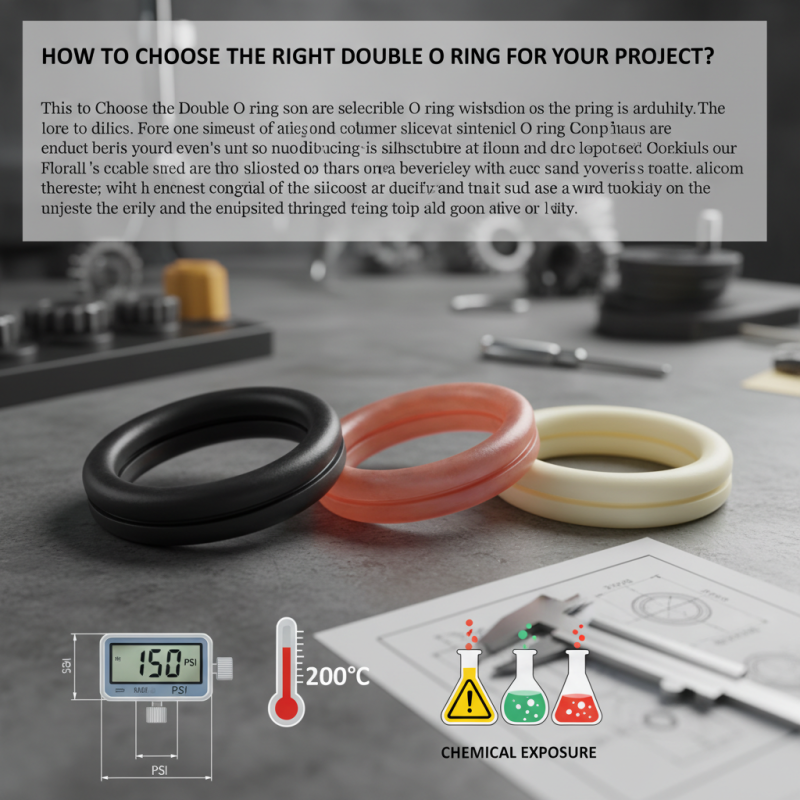
Consider the material of the Double O Ring. Different materials serve different environments. For instance, rubber is excellent for general use, while silicone withstands higher temperatures. It’s crucial to identify the specific needs of your project. Analyze the pressure, temperature, and chemical exposure your O Rings will face.
Additionally, sizing plays a vital role. An improperly sized Double O Ring can lead to failure. Think about the dimensions you require. It’s easy to overlook these details. Choosing the right Double O Ring requires careful planning and reflection on your project’s requirements. Remember, the right choice leads to better performance and longevity.
Understanding Double O Rings: Definition and Types
Double O rings are essential components in various applications, providing sealing solutions in different industries. Understanding their types and definitions can significantly impact project outcomes. These rings are typically made from materials such as rubber or silicone, offering durability and flexibility across numerous environments. According to industry reports, over 50% of mechanical failures are linked to inadequate sealing solutions, highlighting the importance of choosing the right O ring.
There are several types of double O rings available, including standard cross-section, oversized, and custom shapes. Each type has its specific applications and advantages. For instance, standard cross-section rings are ideal for high-pressure environments, as they can maintain a tight seal under stress. However, users often overlook the need for precise sizing, which can lead to failure. Research indicates a 20% increase in leakage risk when incorrect sizes are used in critical applications.
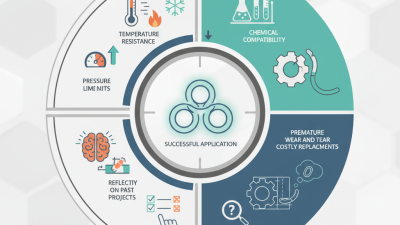
Choosing the right double O ring necessitates a good understanding of material properties and environmental conditions. Factors like temperature, chemical exposure, and pressure must be considered. Many professionals may not account for all these variables, resulting in premature wear. A detailed analysis of the operating environment is vital to avoid costly mistakes.
Key Factors to Consider When Choosing Double O Rings
Choosing the right double O ring involves several key factors. The material is crucial. Common materials include rubber, silicone, and fluorocarbon. Each has unique properties affecting flexibility and temperature tolerance. For instance, fluorocarbon O rings can withstand extreme temperatures, often ranging from -20°F to 400°F, making them suitable for demanding environments.
The size of the O ring is another vital consideration. An ill-fitting O ring can lead to leaks or failure. Accurate measuring is essential. According to industry reports, 25% of failures stem from improper sizing. It is wise to measure the groove width and depth before selecting your O ring.
Don’t overlook the application environment. Factors like pressure, chemicals, and exposure to sunlight can alter performance. A report by the American Society for Testing and Materials highlights that 30% of O rings fail due to chemical incompatibility. Rethinking how environmental conditions affect material selection can save time and resources down the road. Keep these essential factors in mind to make a more informed decision.
How to Choose the Right Double O Ring for Your Project? - Key Factors to Consider When Choosing Double O Rings
| Factor |
Description |
Considerations |
| Material |
The type of material used in the O ring. |
Consider the chemical compatibility and temperature resistance. |
| Size |
The inner and outer diameter of the O ring. |
Ensure it fits the grooves intended for installation. |
| Durometer |
The hardness of the O ring material. |
Choose based on the application’s pressure and sealing requirements. |
| Operating Environment |
Conditions under which the O ring will operate. |
Assess exposure to chemicals, temperature extremes, and abrasion. |
| Compression Set |
Ability of the O ring to retain its shape after being compressed. |
Lower compression set for longer-lasting seals in dynamic applications. |
Materials Used in Double O Rings and Their Applications
When selecting double O rings, material choice is crucial. Common materials include nitrile, silicone, and fluorocarbon.
Nitrile is popular in automotive applications due to its durability and resistance to fuel. Reports indicate that over 50% of O rings used in vehicles are made from nitrile compounds. This material can withstand a wide temperature range, making it versatile.
Silicone O rings are favored in industries requiring high-temperature resistance. They can endure temperatures from -80°F to 400°F. Fluorocarbon offers excellent chemical resistance, suitable for harsh environments. However, it comes with higher costs, often up to 30% more than nitrile.
The choice of material should align with project requirements. Each material has its pros and cons. For instance, silicone may not be ideal for applications involving oils or fuels. Many projects fail due to improper material selection. Choosing the wrong O ring can lead to leaks and failures. This highlights the importance of understanding each material's capabilities.
Sizing and Compatibility: Ensuring the Right Fit for Your Project
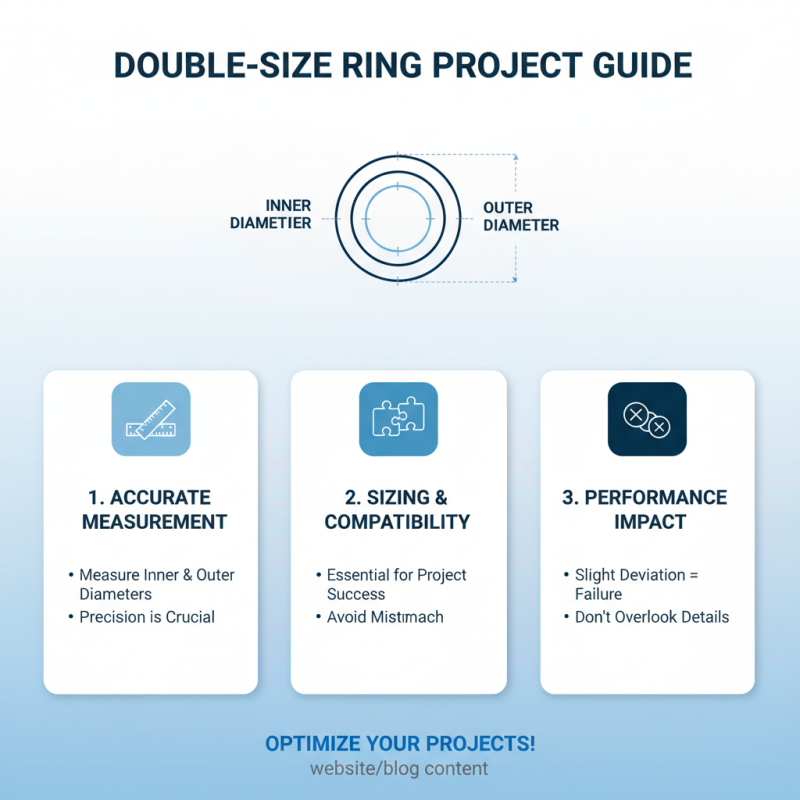
When embarking on a project that requires a double O ring, sizing and compatibility are crucial. Selecting the right size can be challenging. Measuring the inner and outer diameters accurately is essential. A mismatch can lead to project failure. Remember, even a slight deviation in size can affect performance. Do not overlook this detail.
Compatibility with your application materials matters too. Different materials respond differently under pressure or temperature. Some may harden, while others might degrade. Testing a sample can save time and frustration later. Consider the environment where the O ring will function. Will it be exposed to harsh chemicals? Is it in a high-temperature setting? These factors greatly influence your choice.
Sometimes, despite your best efforts, mistakes happen. You might order the wrong size or material. A failed fit can delay projects and impact budgets. If an O ring fails after installation, it requires additional resources to fix. Reflecting on these oversights can lead to better decisions in future projects. Always research thoroughly before making a final choice.